
As mid-summer heat settles over the Pacific Northwest, Idaho grain growers are navigating a complex mix of severe environmental pressures and emerging market opportunities. Crop managers across the state are currently balancing high-stakes water management decisions with long-term infrastructure and demand shifts. With a statewide drought emergency actively affecting water availability, the agricultural community is being forced to make hard choices regarding water allocation and crop survival.
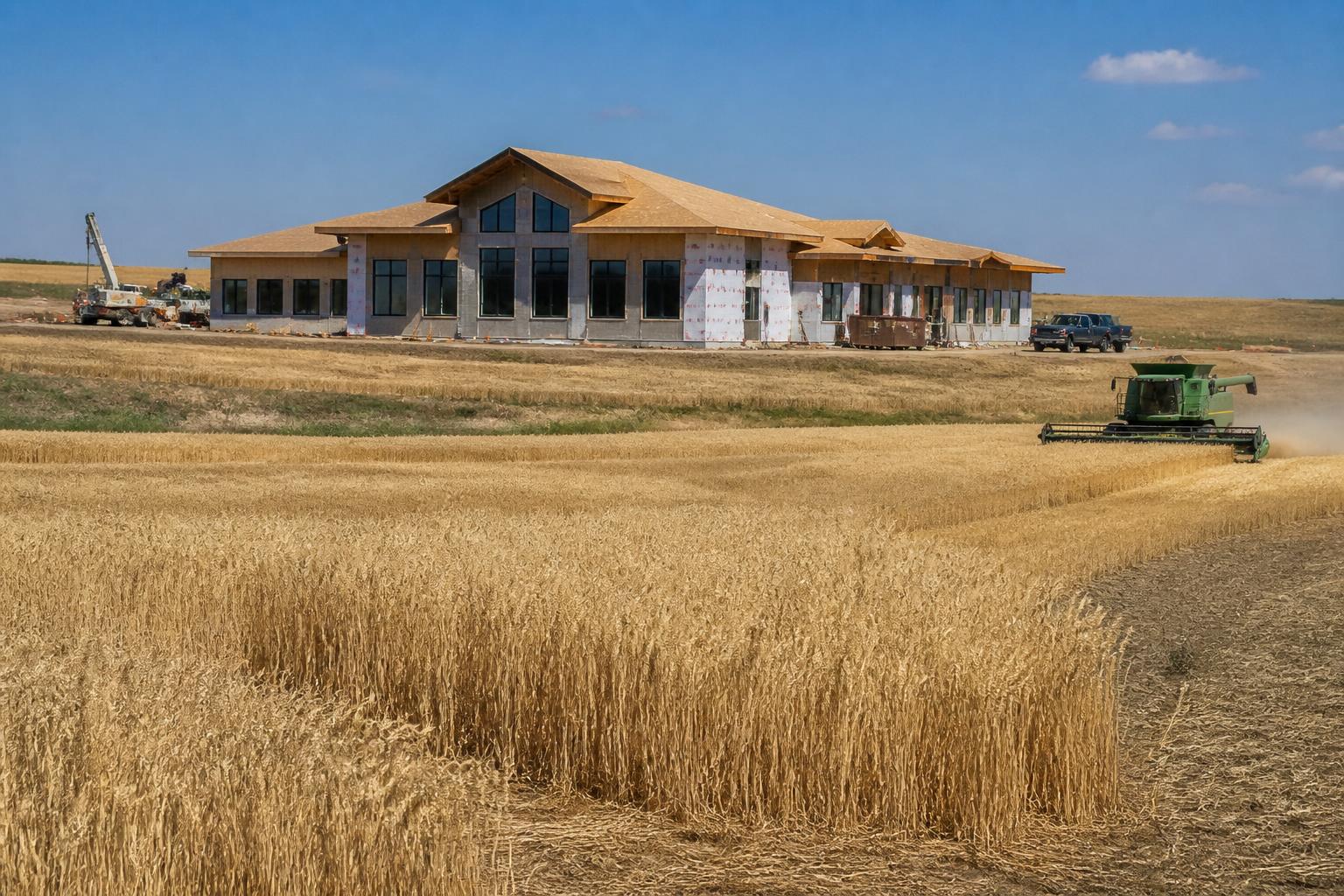
Despite these immediate seasonal hurdles, structural developments continue to move forward. The Idaho Wheat Commission is nearing completion of its new headquarters building, representing a permanent investment in the state's grain marketing and research capabilities. Concurrently, new market channels are opening up as domestic wheat finds a unique home in the regional aquaculture sector.
Water Rationing and the Drought Emergency
The statewide drought emergency in Idaho has put irrigation districts and individual growers on high alert. With limited water supplies, many producers are facing tough decisions to keep their operations viable, particularly when it comes to prioritizing permanent crops over annual varieties. In many heavily irrigated regions, such as the Snake River Plain, managing limited water shares means some fields may receive less water than usual to ensure high-value perennial plantings survive the summer heat.
This water stress comes at a pivotal moment, as detailed in our previous Idaho Grain Market Update: Winter Wheat Harvest Watch and the Rise of Specialty Crops. Grain handlers and dryland farmers are monitoring soil moisture levels closely, knowing that the dry conditions could impact late-season kernel development and final yields. For growers trying to navigate these volatile conditions, keeping a close eye on local grain buyers, sellers and prices in Idaho is critical to securing timely marketing contracts.
Expanding Frontiers: Aquaculture Feed and Infrastructure
While weather challenges dominate daily operations, the broader market is seeing intriguing demand shifts. U.S. wheat is successfully tapping into the salmon feed market. This development provides a highly specialized and potentially lucrative regional outlet for wheat producers. As aquaculture operations seek consistent, high-quality ingredients, the inclusion of wheat in feed formulations highlights the crop's versatile utility beyond traditional milling and export markets.
On the organizational front, the Idaho Wheat Commission is close to finishing its new facility. This physical expansion reflects a sustained commitment to supporting the state's wheat industry, providing a modernized hub for grower advocacy, market development, and research administration. This administrative milestone comes at a time when local representation and market diversification are more important than ever for maintaining farm-gate profitability.
Key Takeaways for Idaho Producers
- Water Prioritization: Under the statewide drought emergency, carefully evaluate irrigation schedules and crop priorities, especially where permanent crops compete with annual grains for limited water.
- New Demand Channels: Keep an eye on non-traditional markets like aquaculture feed, which could offer alternative marketing avenues for specific wheat grades.
- Local Infrastructure: The upcoming completion of the Idaho Wheat Commission building underscores ongoing support for local grain marketing and research initiatives.
What it means for the market
For Idaho's agribusinesses and grain elevators, the combination of tight summer water supplies and innovative demand channels creates a highly dynamic environment. While the drought emergency may constrain yield potential in certain water-restricted pockets of the state, the opening of aquaculture feed markets and strong institutional backing provide long-term stability. Buyers and sellers should remain flexible, closely tracking local logistics and moisture reports as the summer harvest progresses.
Comments
No comments yet - be the first to share your take.