
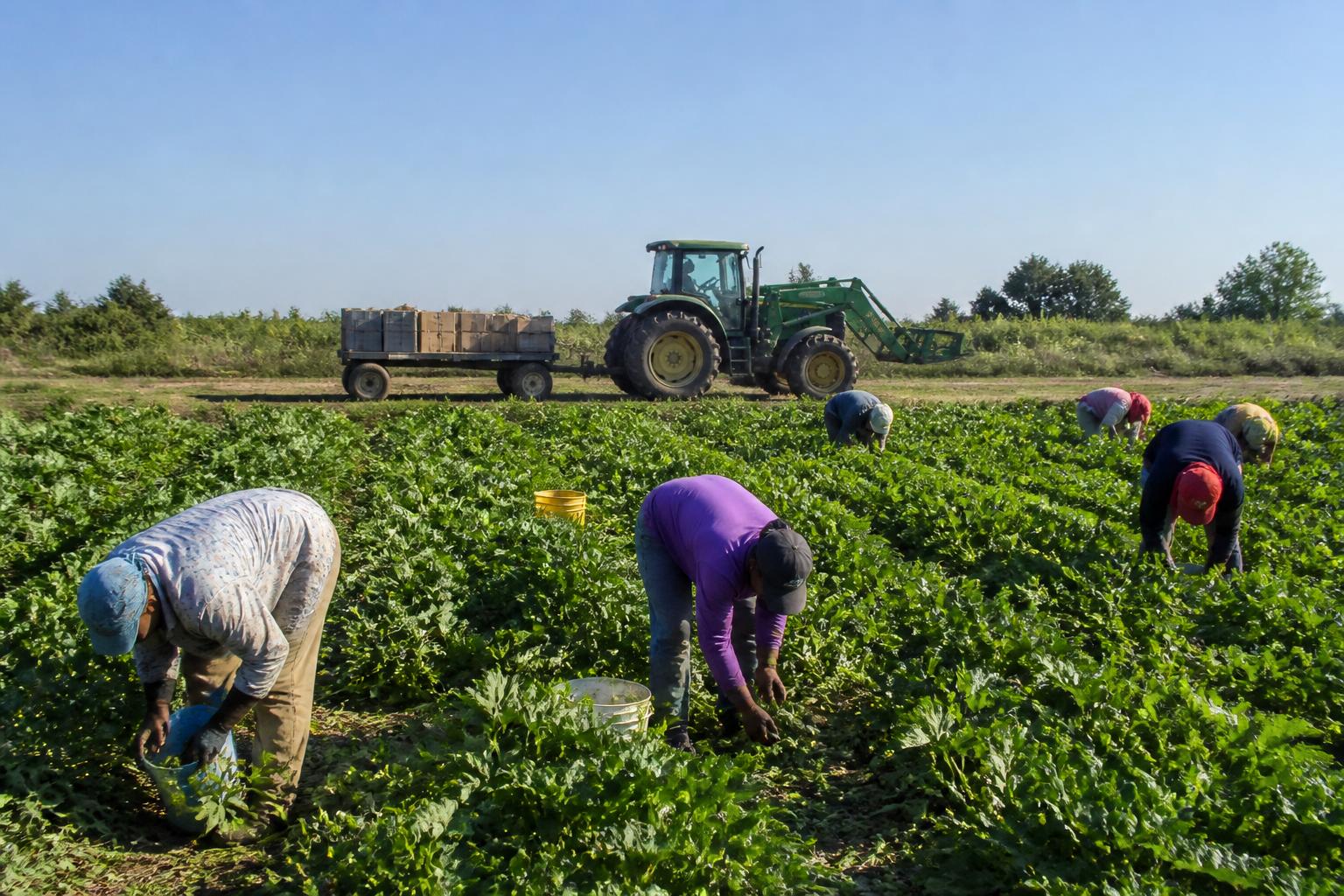
New Jersey's agricultural sector is navigating a busy summer season shaped by historic preservation achievements, evolving labor debates, and logistics policy updates. As farmers across the Garden State manage high-value specialty crops under the July sun, regional supply chains and land-use policies are taking center stage. Navigating these dynamics requires a close look at local land programs, labor regulations, and transportation infrastructure.
With the summer harvest in full swing, local logistics play a critical role in moving fresh produce from fields to major metropolitan hubs. State programs and infrastructure investments are key to sustaining this flow. Understanding the broader New Jersey summer ag transport network helps growers optimize their routes and manage seasonal bottlenecks.
Farmland Preservation Milestones in the Garden State
New Jersey continues to prioritize the long-term viability of its agricultural land. In Warren County, the local agricultural community recently celebrated a major milestone with the permanent preservation of its 300th farm. This achievement underscores the state's ongoing commitment to keeping productive soil in agricultural use, protecting it from commercial development pressure.
This milestone arrives as the New Jersey Department of Agriculture celebrates a century of service, marking 100 years of support for local growers. These state-backed preservation efforts provide stability for multi-generational operations and help maintain the "Garden State" identity. For growers planning their long-term crop protection and soil management strategies, keeping land in active production remains a primary focus, as detailed in our guide on New Jersey summer crop protection solutions.
Labor and Regulatory Shifts Under Scrutiny
While land preservation provides long-term stability, immediate operational challenges are emerging in the regulatory arena. A recent lawsuit has brought New Jersey's farm labor laws under intense scrutiny, with advocates claiming that current frameworks do not fairly compensate farmworkers. These legal developments highlight a growing nationwide tension between labor advocacy and farm operational costs.
For specialty crop growers in South Jersey and the central counties, labor represents one of the largest seasonal inputs. Any shifts in wage structures or overtime exemptions will directly affect production costs and margins. Agribusinesses must stay ahead of these regulatory changes to adjust their balance sheets and maintain compliance without sacrificing harvest efficiency. This is a critical component of the broader New Jersey ag market update, where labor availability and cost remain top operational concerns.
Logistics, Rail Policy, and Modern Ag Tech
Beyond the fields, logistics policy is driving discussions among grain handlers and bulk commodity shippers. The National Grain and Feed Association (NGFA) has urged legislative support for new rail shipping reforms aimed at improving service reliability and competitive rate structures. While New Jersey is famous for fresh market vegetables, its grain elevators and animal feed operations rely heavily on efficient rail transport to move bulk ingredients into the region.
Simultaneously, the state's agricultural landscape is diversifying. Vertical farming operations are seeing a surge in demand for indoor-grown leafy greens, offering a high-tech complement to traditional field production. This shift highlights a broader market trend where controlled-environment agriculture and advanced crop protection technologies are becoming essential to meeting consistent year-round demand.
What it means for the market
For New Jersey agribusinesses, the current agricultural landscape demands a balance between preserving physical assets and adapting to shifting regulatory costs. The milestone of Warren County's 300th preserved farm proves that long-term land security remains strong, but rising labor scrutiny and logistics challenges mean margins will remain tight. Farmers and shippers should monitor local labor rulings and national rail policy adjustments closely to protect their summer supply chains and maintain profitability heading into the fall.
Comments
No comments yet - be the first to share your take.