
Summer in the Garden State brings intense field activity, requiring New Jersey growers to balance input management, pest control, and asset protection. As modern farming increasingly relies on high-value technology, securing capital assets has become just as critical as managing biological threats in the field.
With high temperatures and seasonal humidity shifting disease and pest pressures, local growers are turning to a mix of precision technology, updated soil diagnostic tools, and state-supported research to optimize their operations. However, the rising value of these specialized tools has also introduced new operational risks that require heightened vigilance.
Securing High-Tech Application Assets
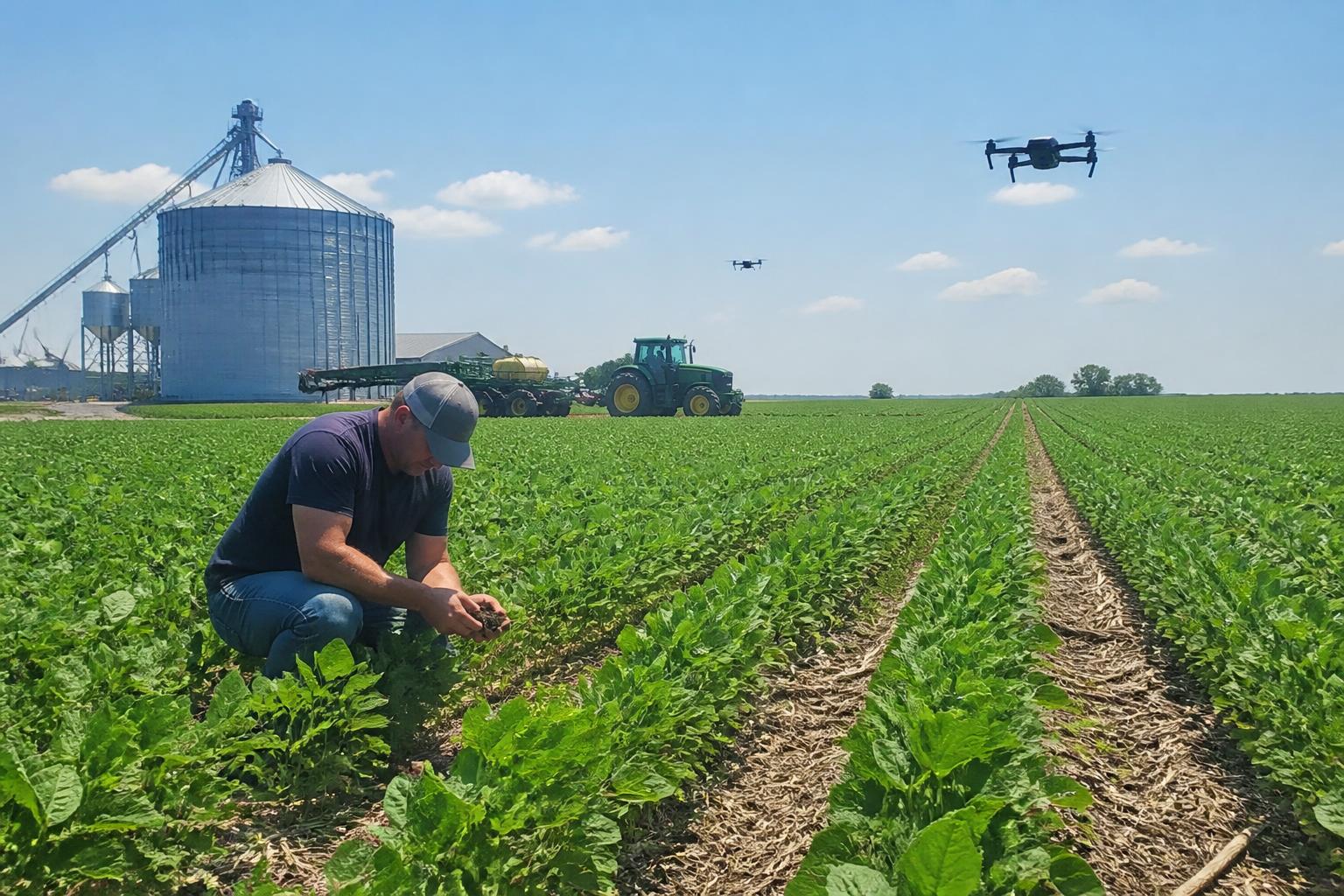
As precision agriculture becomes standard, tools like crop-dusting drones are increasingly utilized to apply targeted treatments across New Jersey-s diverse specialty crops. The growing reliance on these high-value systems has made them targets for theft. A recent security incident highlighted this risk when stolen crop-dusting drones were successfully recovered by police from a New Jersey facility.
For agribusinesses and custom applicators, this event emphasizes the need for robust farmyard security and equipment tracking. Maintaining secure storage for unmanned aerial vehicles (UAVs) and other advanced application machinery is now a vital component of a comprehensive farm protection strategy. Losing access to precision application tools during critical treatment windows can leave crops vulnerable to rapid pest outbreaks.
Targeted Protection via Accessible Soil Reports
Effective crop protection starts from the ground up. To assist growers in evaluating their field health, a new digital tool has made soil reports in New Jersey significantly more accessible. This tool simplifies the process of analyzing soil composition and nutrient levels, allowing farmers to make highly informed decisions regarding fertility and soil-borne pest management.
By using precise soil data, growers can avoid over-applying inputs, reducing both environmental impact and operating expenses. This fits naturally into broader New Jersey crop protection strategies, where balancing chemistry with ecological resilience remains a top priority during unpredictable summer weather patterns.
Research and Innovation in Controlled Environments
While open-field growers adapt to local soil conditions, New Jersey remains a prominent hub for controlled-environment agriculture research. Industry players like AeroFarms have dedicated local facility space specifically to vertical farming technology research. These controlled-environment studies provide critical insights into automated pest exclusion and optimal resource delivery, offering innovative techniques that may eventually scale to benefit broader commercial applications.
Additionally, local resources like the Rutgers Cooperative Extension of Union County and programs overseen by the State Agriculture Development Committee (SADC) continue to support growers. Whether navigating land preservation questions or testing new seed technologies, New Jersey farmers have access to a robust network designed to protect both their acreage and their yields.
Key Takeaways for Garden State Growers
- Enhance asset security: Implement tracking and secure storage for high-value precision application equipment like drones.
- Leverage digital soil tools: Utilize the latest accessible soil reporting platforms to optimize fertilizer application and prevent nutrient runoff.
- Connect with extension resources: Engage with local Rutgers Extension offices for timely diagnostic support during high-pressure summer weeks.
What it means for the market
As summer field work continues, the integration of advanced application technology and simplified soil diagnostics will help New Jersey growers manage inputs more efficiently under tight margins. However, the theft and recovery of high-tech assets underscore that modern crop protection requires securing both the physical crop and the advanced machinery used to apply those treatments. Maintaining a focus on equipment security alongside soil health will remain key to protecting farm profitability through the end of the season.
Comments
No comments yet - be the first to share your take.