
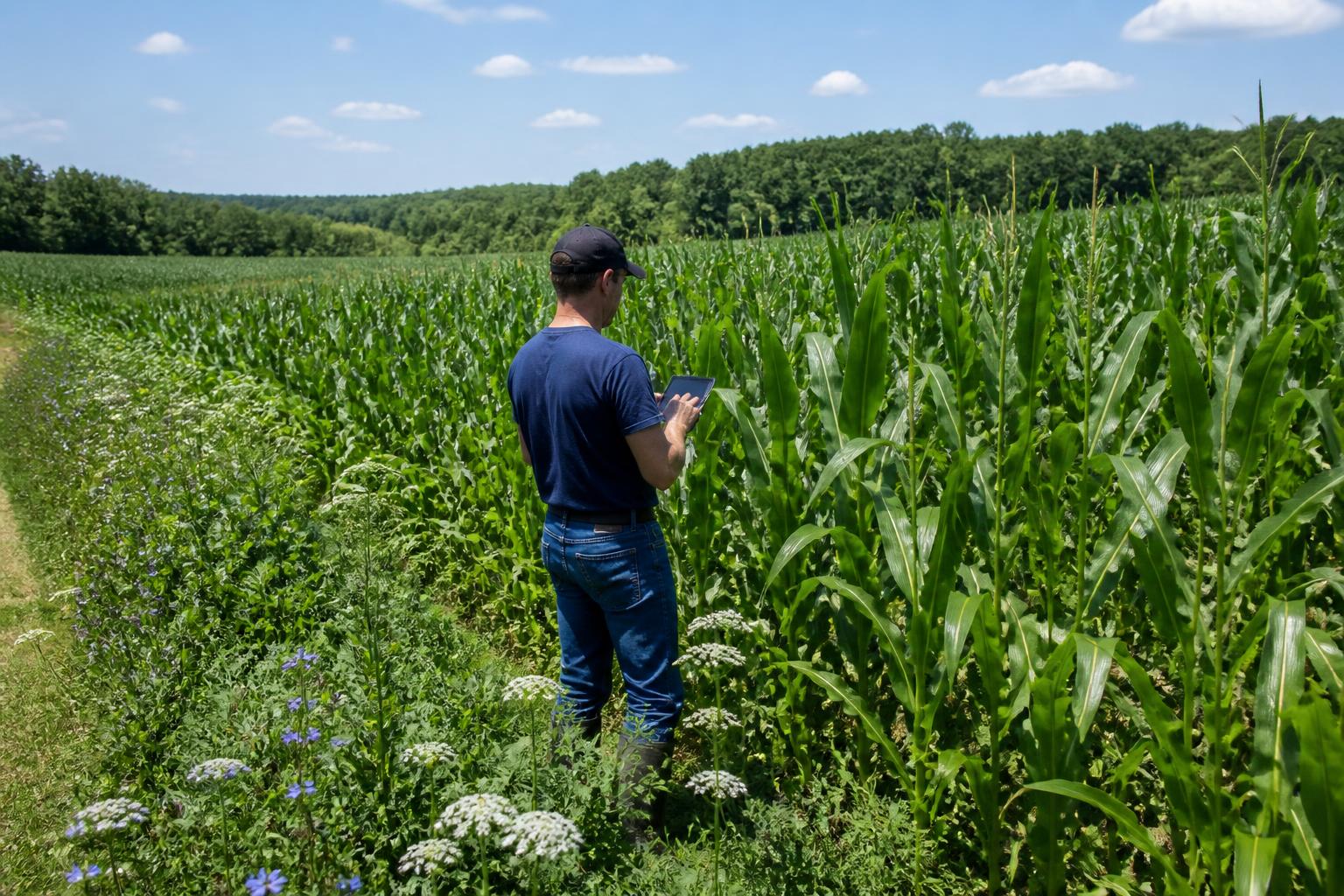
Massachusetts grain producers are entering the critical mid-summer stretch under unique regional conditions. While the Commonwealth is not typically viewed as a traditional grain belt powerhouse, local operations in the fertile Pioneer Valley and coastal pockets are proving that high-performing yields and specialized grain production are highly viable. From award-winning silage corn in Franklin County to experimental grain trials on the islands, New England's grain landscape is increasingly relying on precision technology and localized supply chains to bypass high national transport costs.
As summer field work intensifies, growers are balancing the need for crop protection with rising consumer interest in sustainable local grain. Navigating these regional dynamics requires a close look at local yield achievements, emerging tech innovations, and the logistical realities of moving agricultural goods through congested Northeast corridors.
Pioneer Valley Success and Academic AgTech
Local production standards remain exceptionally high, as demonstrated by Northfield-based Five Point Farm, which recently secured a top prize in a national corn growing contest. Achieving elite yields in Massachusetts requires careful soil management and precision nutrient application. To maintain this competitive edge, regional growers are turning to academic breakthroughs happening right in their backyard.
Researchers at the Massachusetts Institute of Technology (MIT) are developing advanced tools, including portable sensors that can quickly detect early-stage plant stress before physical symptoms appear, as well as robotic systems designed to improve crop monitoring. Integrating these computerized agricultural innovations with traditional field practices is reshaping Massachusetts summer grain dynamics, helping local farmers maximize output on limited acreage.
Specialty Crop Diversification and Feed Demands
Beyond traditional silage and feed corn, niche grain initiatives are capturing local interest. On Martha's Vineyard, experimental rice growing trials are demonstrating the ecological and market potential of diversifying coastal grain options. This shift toward highly localized food systems is supported by the expansion of regional distribution channels, such as winter and summer farmers' markets in urban centers like Cambridge.
At the same time, livestock feed demand remains a major driver for local grain markets. With state regulatory updates, such as ongoing adjustments to hog welfare rules, feed security is a front-of-mind concern for regional livestock operations. To mitigate supply disruptions, many Northeast buyers look to buy grain in Massachusetts directly from local growers and co-ops rather than relying solely on Midwest shipments.
Logistical Hurdles and Storage Strategies
Moving grain and bulk feed through New England during the peak of summer requires strategic coordination. Transporting heavy agricultural loads along critical corridors like Interstate 90 and Interstate 91 can be challenging due to seasonal tourist traffic and local road weight restrictions. Navigating these Massachusetts agricultural logistics bottlenecks requires grain handlers to optimize their storage solutions.
Producers are continuously weighing the financial trade-offs between investing in on-farm grain storage bins versus utilizing cooperative storage facilities. Proper local storage helps buffer against short-term price volatility and ensures a steady supply of animal feed throughout the upcoming autumn harvest season.
What it means for the market
For Massachusetts agribusinesses and grain buyers, the current summer landscape emphasizes the value of local sourcing. While national commodity grain prices fluctuate due to international dynamics, the regional Northeast market remains insulated by high local demand and advanced crop-management technology. Farmers who utilize precision diagnostics and secure regional distribution partnerships will be best positioned to capture premium local pricing as the harvest season approaches.
Comments
No comments yet - be the first to share your take.