
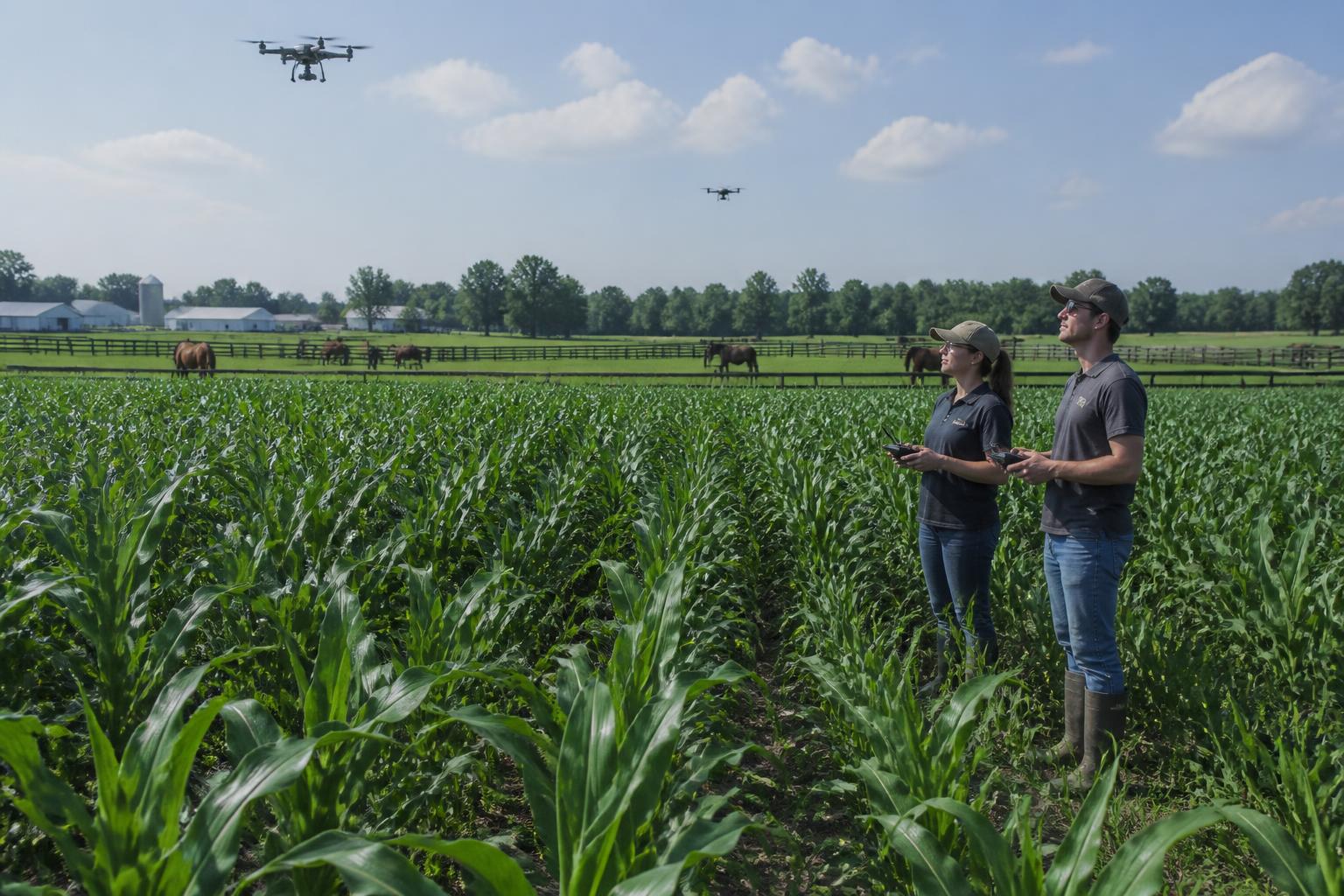
As the summer heat peaks across Kentucky's agricultural landscape this July, crop protection is taking a high-tech turn. Growers are looking beyond traditional spraying schedules toward precision technology to safeguard both grain fields and valuable pastures. With researchers at the University of Kentucky leading new studies into drone-based protection for corn, the state's agribusinesses are gaining access to highly targeted diagnostic tools at a critical juncture in the growing season.
Managing pests and diseases during hot, humid summer weeks requires constant vigilance. Through advanced aerial imaging and localized data collection, these emerging precision systems aim to give Kentucky corn producers an upper hand, reducing input waste and securing yield potential in a highly competitive market.
Drone Technology and Precision Corn Protection
University of Kentucky researchers are spearheading a precision agriculture study utilizing unmanned aerial vehicles (UAVs) to monitor and protect the state's corn crops. By deploying drones equipped with specialized sensors, the study focuses on spotting crop stress, disease outbreaks, and weed pressure before they become visible to the naked eye from the ground.
This early-detection capability allows growers to apply crop protection products only where they are needed, rather than treating entire fields. Micro-targeting treatments not only helps farmers manage rising chemical input costs but also reduces the overall environmental footprint on local watersheds. For details on broader regional defense strategies, growers can consult the latest advice on Kentucky crop protection and summer pest defense to stay ahead of seasonal pressures.
Protecting Forage and Supporting the Equine Economy
In Kentucky, crop and land protection extends far beyond traditional row crops. The state's world-famous equine industry contributes billions of dollars to the local economy, creating a massive demand for premium pasture and forage. Safeguarding these pastures from invasive weeds, toxic plants, and armyworms is just as vital as protecting grain fields in western Kentucky.
Many multi-generational farms in the Bluegrass region operate dual-purpose enterprises, managing both cash grains and livestock or equine acreage. The integration of drone-based mapping and precision spraying helps these landowners monitor vast pasture boundaries and forage plots, ensuring feed safety and high-quality hay production throughout the summer months.
Key Takeaways for Kentucky Producers
- Targeted Application: UAV monitoring helps identify localized pest pressures, reducing overall chemical use and saving on inputs.
- Economic Protection: Safeguarding forage quality is essential to supporting Kentucky's multi-billion-dollar equine and livestock sectors.
- Early Detection: High-resolution aerial data allows operators to address crop stress weeks before visual symptoms manifest.
What it means for the market
For Kentucky grain elevators, crop input suppliers, and livestock operations, the adoption of precision crop protection represents a significant shift toward operational efficiency. By minimizing crop losses and optimizing chemical applications, farmers can better protect their margins during periods of volatile commodity prices. As these drone technologies transition from research trials to commercial fields, Kentucky's agricultural sector stands to benefit from improved supply chain stability and higher-quality yields across both corn and forage markets.
Comments
No comments yet - be the first to share your take.