
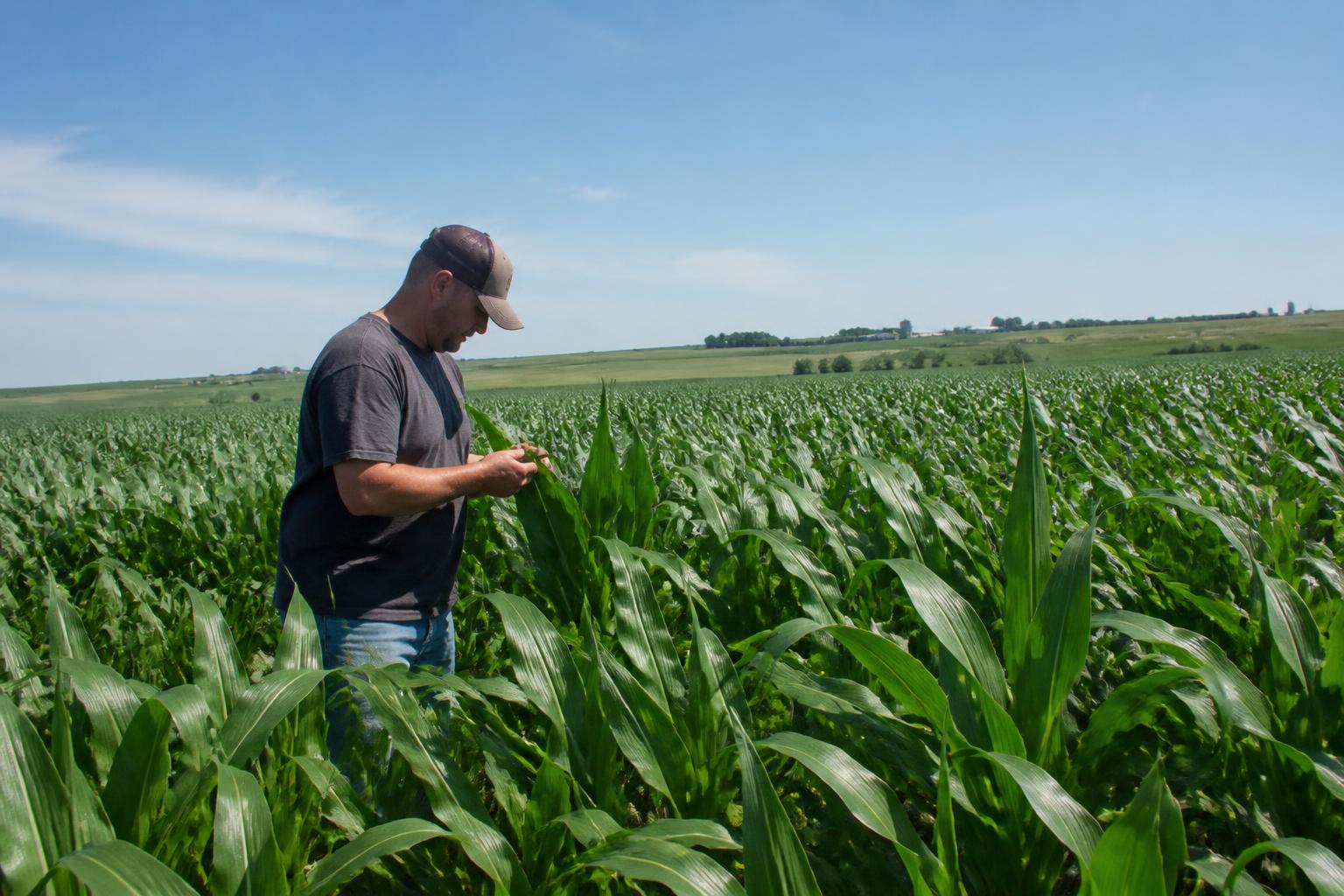
As mid-summer settles over the Platte River valley and across the vast rolling hills of Nebraska, grain growers and agricultural businesses are navigating a complex economic landscape. A combination of softening agricultural land values, ongoing trade tensions, and supply chain bottlenecks has placed a premium on operational efficiency. However, a recent push for expanded biofuel access offers a glimmer of hope for demand-side support.
Squeezed Margins and Declining Land Values
For the first time in several seasons, Nebraska agricultural land values are experiencing a downward shift. This decline reflects a broader tightening of farm finances, driven by lower commodity prices and persistently high operational expenses. Producers across counties from the eastern corn belt to the western high plains are adjusting their balance sheets to cope with reduced liquidity.
With margins growing thinner, local growers are increasingly focused on optimizing storage plans and seeking out the best possible marketing opportunities. Many producers are closely monitoring local grain buyers, sellers and prices in Nebraska to find competitive bids, while working through high-cost input cycles, a dynamic discussed in our analysis of Nebraska storage and input efficiency during tight financial periods.
Trade Pressures and Logistical Realities
Adding to the domestic financial squeeze is a challenging international trade environment. Some Nebraska farmers have compared current global trade friction to the historic 1980 Russian grain embargo, noting how geopolitical disputes can suddenly disrupt established market channels and leave domestic grain supplies looking for a home.
Compounding these export worries are ongoing supply chain crunches that continue to impact agriculture from the field to the consumer's table. High shipping rates and localized freight disruptions present constant challenges for elevators moving grain along major rail corridors and trucking routes like Interstate 80. These logistics bottlenecks underscore the importance of managing high transportation costs, which makes optimizing logistics crucial. For more on regional logistics, see how local operators are adapting with Nebraska summer ag transport cost-saving strategies.
Biofuel Momentum Offers Market Optimism
Despite these headwinds, there is positive momentum on the domestic demand front. A Nebraska corn grower recently participated in a high-level White House visit, reporting strong advocacy and growing momentum for E15 and broader biofuel integration. Year-round access to higher ethanol blends remains a top priority for state commodity groups, as it provides a reliable, high-volume domestic market for Nebraska corn.
Proponents argue that expanding biofuel usage is not only critical for stabilizing domestic corn demand during times of trade uncertainty but also serves as a key tool for lowering fuel costs for consumers and reducing overall carbon emissions.
Key Takeaways for Nebraska Producers
- Land Value Adjustments: Softening land values signal a shift in farm equity, making careful capital management essential.
- Supply Chain & Logistics: Persistent freight bottlenecks require forward-planning for grain transport and storage.
- Biofuel Advocacy: The push for year-round E15 at the federal level represents a vital pathway to secure consistent domestic corn demand.
What it means for the market
The Nebraska grain market is entering a transitional phase this summer. Tight farm finances and trade concerns will continue to pressure local basis levels and cash prices, demanding discipline in grain marketing and transportation logistics. However, the active advocacy for biofuels at the highest levels of government highlights a resilient domestic demand foundation. Farmers and agribusinesses who focus on local supply chain efficiencies and cost-control measures will be best positioned to weather the current economic cycle.
Comments
No comments yet - be the first to share your take.