
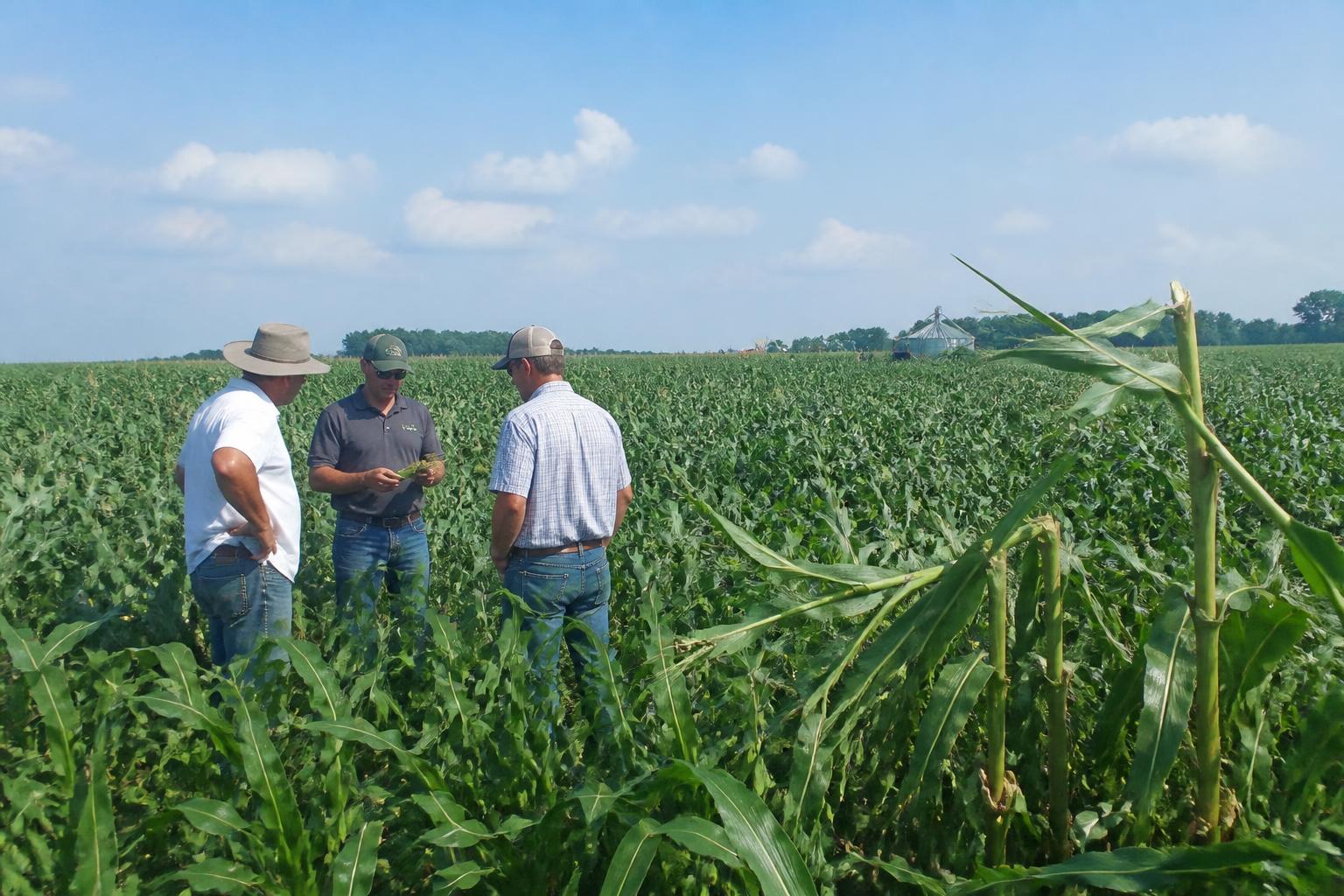
Iowa's agricultural landscape is navigating a complex summer of weather extremes, disease monitoring, and shifting regulatory discussions. A powerful derecho packing winds of up to 130 mph recently swept across the Corn Belt, leaving a trail of property and infrastructure damage in its wake. Fortunately, early field assessments bring welcome news for grain markets: crop damage across the state appears to be minimal despite the severity of the storm.
However, the storm front brought significant moisture, intensifying local disease pressures. As warm, wet conditions persist, Iowa growers are shifting their focus to crop protection and conservation practices to secure their yield potential before the fall harvest.
Derecho Damage and Southern Rust Expansion
The recent derecho tested the resilience of Iowa's farming infrastructure. While high-velocity winds damaged machine sheds, grain bins, and power lines, the young corn and soybean crops stood resilient. Agricultural logistics channels are currently working to clear debris and repair facilities to ensure that local elevators remain fully operational for the upcoming harvest season.
Meanwhile, the moisture left behind by the summer storm systems has accelerated biological threats. Southern rust has now been officially confirmed in 39 Iowa counties. This rapid spread, fueled by humid July weather, is forcing growers to evaluate fungicide applications. Effectively managing seasonal crop disease pressures is critical as late-summer humidity can quickly compromise leaf health and final yields.
Water Protection and Labor Resolutions
Beyond weather challenges, Iowa's long-term agricultural policy and conservation efforts remain in the spotlight. A prominent farm group has expressed public backing for a crop buffer law designed to protect water quality. This proposal emphasizes the role of vegetative buffers along state waterways to filter runoff, aligning with broader initiatives focused on stewardship and technological adaptation across Iowa counties.
On the labor front, a long-standing dispute has reached a resolution. Thousands of agricultural workers who assisted during the highly disruptive 2015 bird flu outbreak are now eligible to receive a combined $1.7 million in back pay. This payout addresses compensation discrepancies from the emergency response over a decade ago, marking a significant milestone for regional ag labor relations.
Infrastructure and Aid Dynamics
Historically, federal intervention has played a massive role in stabilizing the farm economy during periods of market volatility. Previous major initiatives, such as the federal government's $12 billion aid package designed to assist farmers during international trade disputes, highlight the scale of emergency support programs that have historically reshaped local operations. Today, as farmers face fluctuating commodity prices, managing operational costs and optimizing Iowa's summer grain logistics and storage capacity remains essential for maintaining profitability.
Key Takeaways for Iowa Operators
- Evaluate Southern Rust: Scout fields closely, especially in the 39 affected counties, to determine if fungicide treatment is economically viable.
- Infrastructure Repair: Prioritize structural repairs on damaged grain storage and handling facilities following the 130 mph derecho.
- Water Stewardship: Stay informed on potential legislative movements regarding crop buffers and water conservation mandates.
What it means for the market
The combination of minimal crop damage from the derecho and escalating southern rust pressure suggests that overall production volumes remain high, though crop quality will require careful management. Local grain prices may see localized basis volatility as logistics hubs repair storm damage. Producers should monitor local elevator capacity and coordinate input needs early to secure reliable transportation and application services during this critical summer window.
Comments
No comments yet - be the first to share your take.