
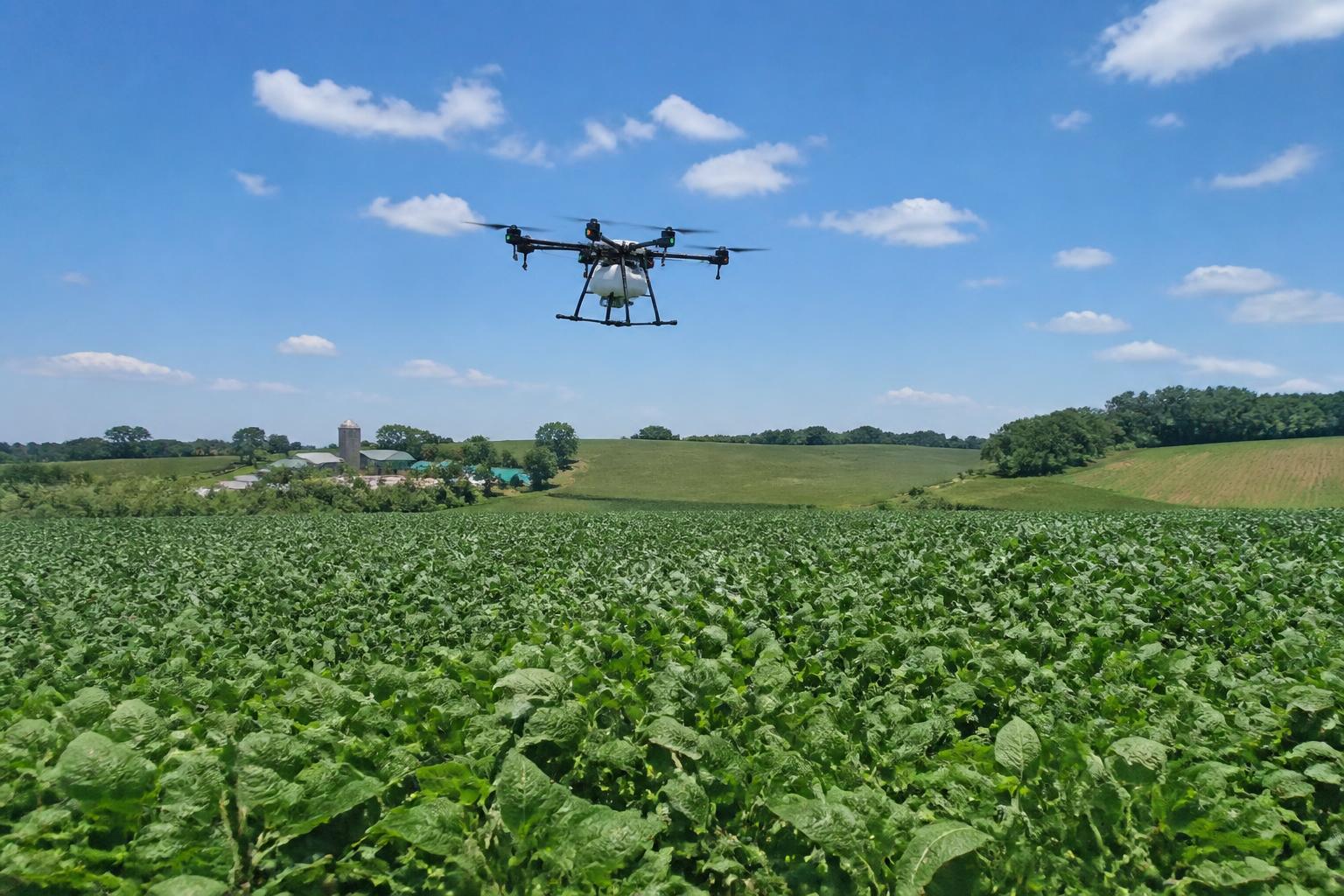
As mid-summer settles across the Arkansas Delta, growers and agricultural retail suppliers are analyzing a complex mix of shifting crop potentials, changing input costs, and evolving federal regulations. With soybeans filling out in fields from Mississippi County down to the southern reaches of the state, and the Arkansas River and Mississippi River corridors busy moving grain and inputs, operators are adjusting their risk management strategies for the remainder of the season and looking ahead to 2026 planning.
Recent market indicators offer some breathing room on input expenses, particularly with dropping urea prices reported in regional surveys. However, regulatory shifts regarding spray technology and newly expanded risk management programs mean that operational flexibility remains paramount for Arkansas agribusinesses.
Soybean and Rice Outlook: Sizing Up the 2026 Harvest
In Arkansas, the debate over whether the state can deliver a larger soybean crop for 2026 is already taking shape. Mid-summer field conditions will play a massive role in final yields, but planning is already underway to determine how regional acreage and crop rotations might shift. High-quality production remains a major selling point for Delta crops, not just domestically, but in critical export markets.
For instance, the USA Rice Federation recently highlighted the region's reliable, high-quality supply chain to African markets. Maintaining these steady logistics corridors from local elevators to major shipping ports is crucial to keeping Arkansas rice competitive internationally, even as global trade dynamics shift.
Fertilizer Dynamics and Weed Pressure Squeezes
While domestic fertilizer expansion initiatives continue to gain momentum, significant financial and competitive hurdles remain for new projects. Despite these long-term production constraints, short-term relief has arrived for growers buying retail inputs. Recent survey data shows retail urea prices dropping, providing a welcome reprieve for those managing late-season applications or early planning for upcoming crop cycles.
These lower costs are helping to offset other persistent production expenses. Many local operations are currently navigating intense summer weed pressures in the Delta, where managing resistant species requires careful herbicide timing and precise logistics. Managing these tank mixes efficiently remains a core priority to protect yield potential before harvest begins.
Evolving Rules: Spray Drones and Crop Insurance Upgrades
Technological and regulatory shifts are also demanding attention from local applicators. Recent Federal Communications Commission (FCC) actions have raised pressing questions for drone operators, with many asking whether their current spray drones remain legal under new federal restrictions. Because aerial drone application has grown rapidly across Arkansas fields for spot-treating weeds and applying late-season crop protection, clarifying these rules is essential for compliance this summer.
Looking further ahead, risk management options are expanding. Federal agencies are rolling out broader crop insurance options for the 2026 planning cycle. These expanded options are designed to give producers more granular coverage tools, helping them adapt to volatile grain prices and erratic weather patterns.
Key Takeaways for Arkansas Agribusinesses
- Input Costs: Recent drops in retail urea prices offer localized relief, though broader domestic fertilizer manufacturing expansions face financing challenges.
- Export Opportunities: Maintaining reliable logistics to international destinations, such as African markets for rice, remains a top priority for state ag leadership.
- Technology Compliance: Arkansas drone applicators must closely monitor FCC regulatory changes to ensure current fleet configurations remain compliant.
- Risk Management: New crop insurance programs slated for 2026 will provide additional layers of protection for forward-looking farm plans.
What it means for the market
For the Arkansas agricultural market, the combination of declining urea prices and expanding risk management options provides a stabilizing foundation during a volatile season. Agribusinesses and growers should use the relative mid-summer lull to verify the compliance of their aerial application technology and evaluate how the upcoming crop insurance expansions can be integrated into their 2026 operating budgets. Balancing these immediate operational adjustments with long-term marketing plans will be the key to maintaining profitability across the Delta.
Comments
No comments yet - be the first to share your take.