
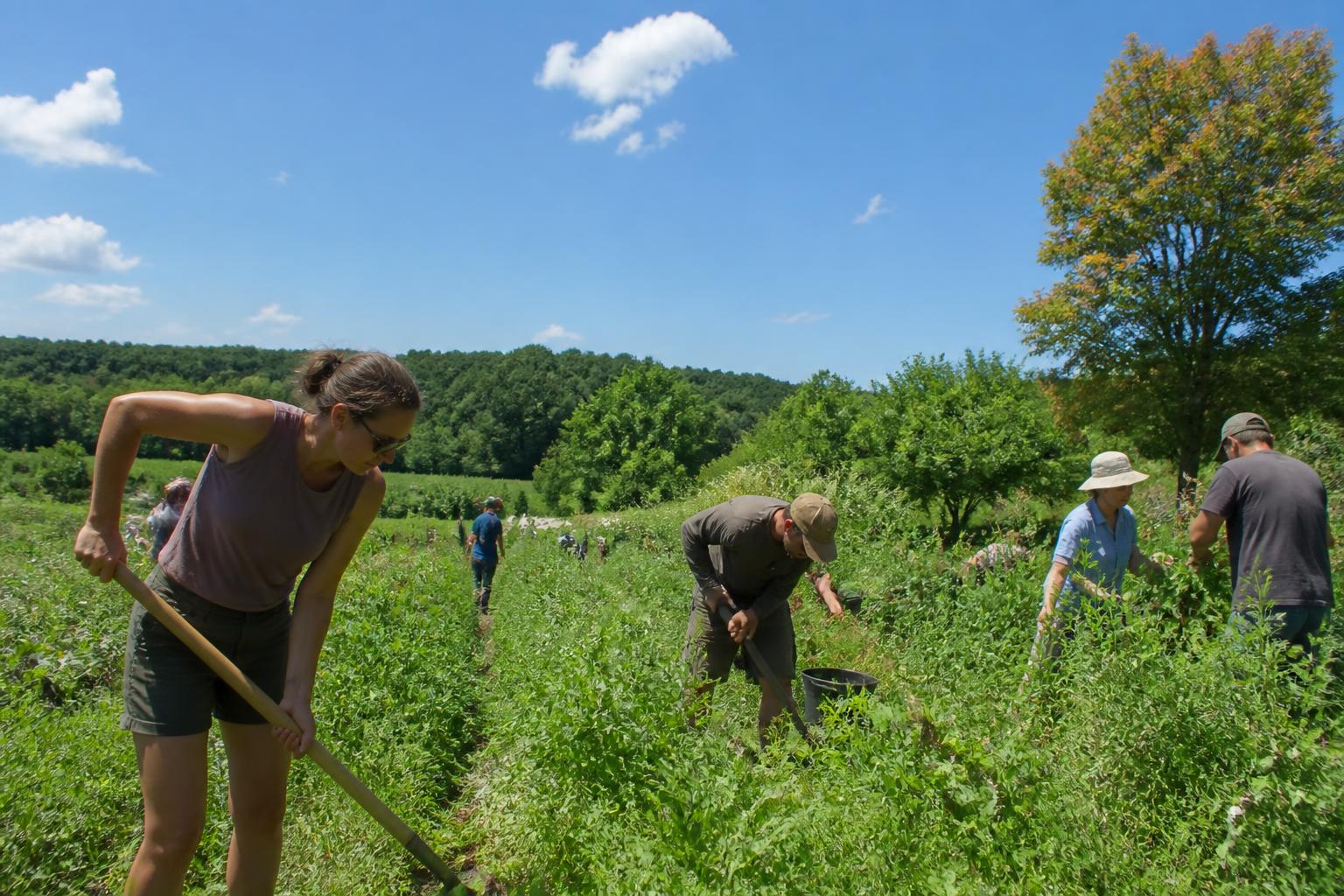
As mid-summer settles over Rhode Island, agricultural producers are facing an increasing need for vigilance regarding invasive pests and botanical threats. With temperatures peaking, the pressure from non-native species often intensifies, requiring land managers to balance active control measures with the need to maintain productive acreage. Proactive monitoring remains the most effective tool for protecting local yields.
For those looking to refine their integrated pest management strategies during this period, recent analysis of pest pressures and current supply chain shifts highlights the importance of timely intervention. Staying informed on the latest regional guidance is critical to preventing long-term damage to high-value specialty crops and pasture land.
Targeted Mitigation for Spotted Lanternfly
Rhode Island authorities are currently emphasizing an aggressive approach to Spotted Lanternfly infestations. State departments are moving to treat identified hot spots, underscoring the critical nature of early detection. Growers should frequently inspect susceptible trees and crop borders, reporting any sightings to local agricultural offices immediately. By limiting the movement of infested materials, farmers can help contain the spread and minimize the need for broader chemical applications later in the season.
Managing Aquatic Invasives and Land Health
Beyond crop-specific pests, the management of invasive aquatic plants like Hydrilla continues to pose a logistical challenge for farms relying on local irrigation sources. These infestations can impede water flow and complicate water management efforts. Integrating effective summer weather and logistics management is essential, as the presence of these weeds can disrupt standard irrigation operations and increase the cost of maintaining reliable water access throughout the dry summer months.
What it means for the market
The convergence of invasive pest management and environmental stressors is testing the resilience of Rhode Island producers. Market participants should expect higher operational costs related to scouting and treatment efforts. Prioritizing resource allocation toward defensive measures now will likely mitigate the risk of significant production losses as the harvest season approaches, ultimately helping to stabilize supply chains for local agribusinesses.
Comments
No comments yet - be the first to share your take.