
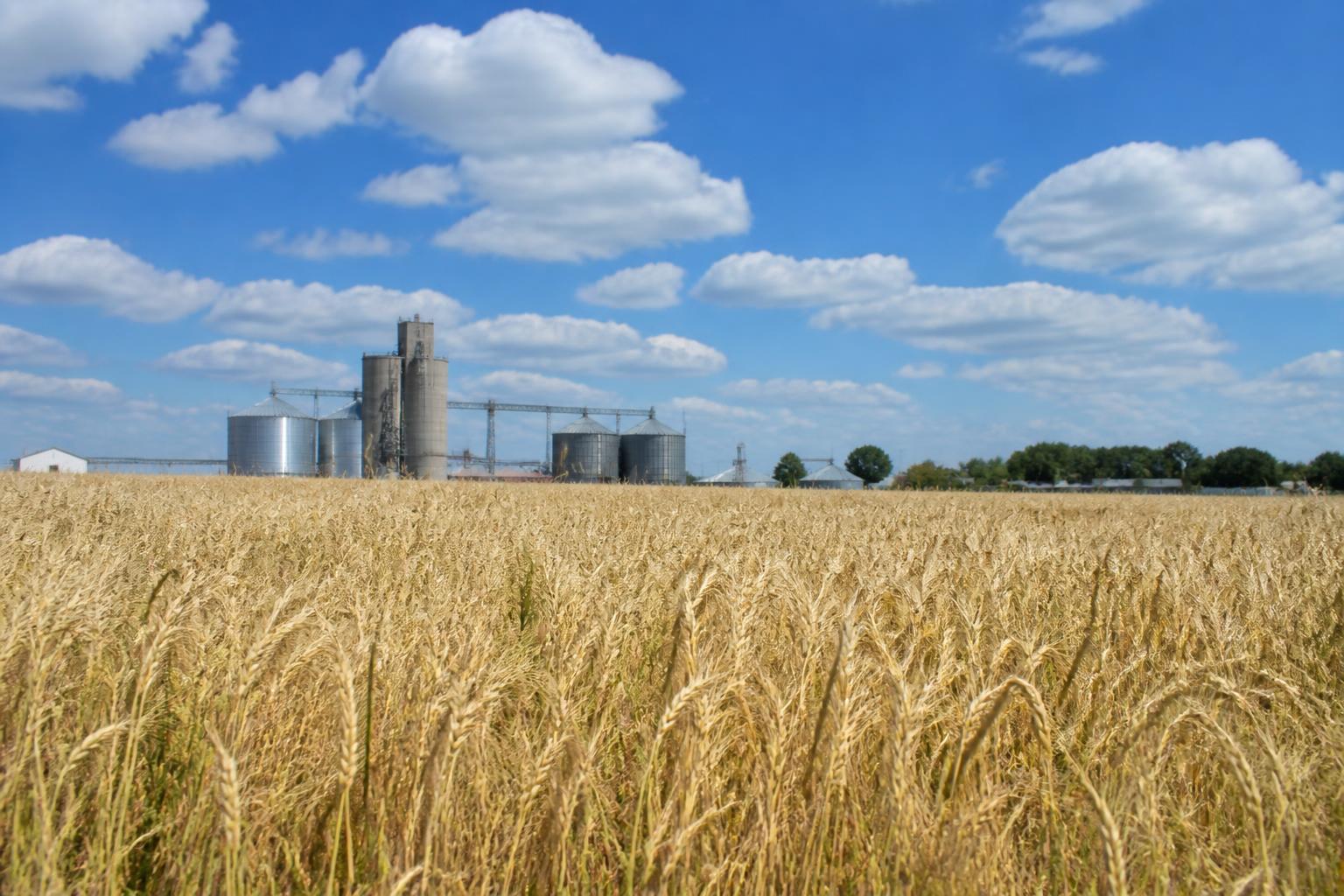
For South Dakota grain producers, the structural shift in storage and handling infrastructure remains a primary logistical consideration. The state has seen a multi-decade trend of consolidation, as smaller, aging grain elevators frequently give way to larger, high-speed facilities designed to handle modern, high-volume crop yields. This transition often means longer haul times for some operators, though the improved throughput at modernized sites typically offers faster turnaround during the peak of the grain marketing season.
The Evolving Landscape of Regional Storage
The reduction in the total number of facilities across the state is reshaping how farmers manage their internal logistics. In many rural counties, the loss of a local elevator forces producers to re-evaluate their reliance on on-farm storage or coordinate longer-distance transport to central shipping hubs. As regional supply chains evolve, growers often find themselves weighing the cost of added fuel and wear-and-tear on equipment against the efficiency gains provided by modernized, high-speed loading stations. This adjustment period is particularly relevant as producers monitor global supply signals that dictate when and where grain moves to terminal markets.
Transportation and Infrastructure Priorities
Beyond the elevator floor, the broader transport network remains a focal point for ag stakeholders across the state. Whether moving grain via truck to local terminals or coordinating rail movements for long-haul export, logistical bottlenecks continue to challenge the efficiency of regional commodity flows. The ongoing focus on improving infrastructure, including potential statewide projects, serves as a critical buffer for the sector, ensuring that the movement of input supplies and harvested commodities remains viable even during volatile market periods.
What it means for the market
The consolidation of South Dakota’s grain elevators is an inescapable reality for regional logistics. While the smaller, neighborhood-level facilities are becoming less common, the resulting network of larger, high-efficiency sites is better positioned to integrate with larger downstream transport links. Producers who prioritize early planning for haul routes and maintain robust on-farm storage capacity may find themselves better insulated from the fluctuations in elevator wait times during the height of the summer harvest.
Comments
No comments yet - be the first to share your take.