
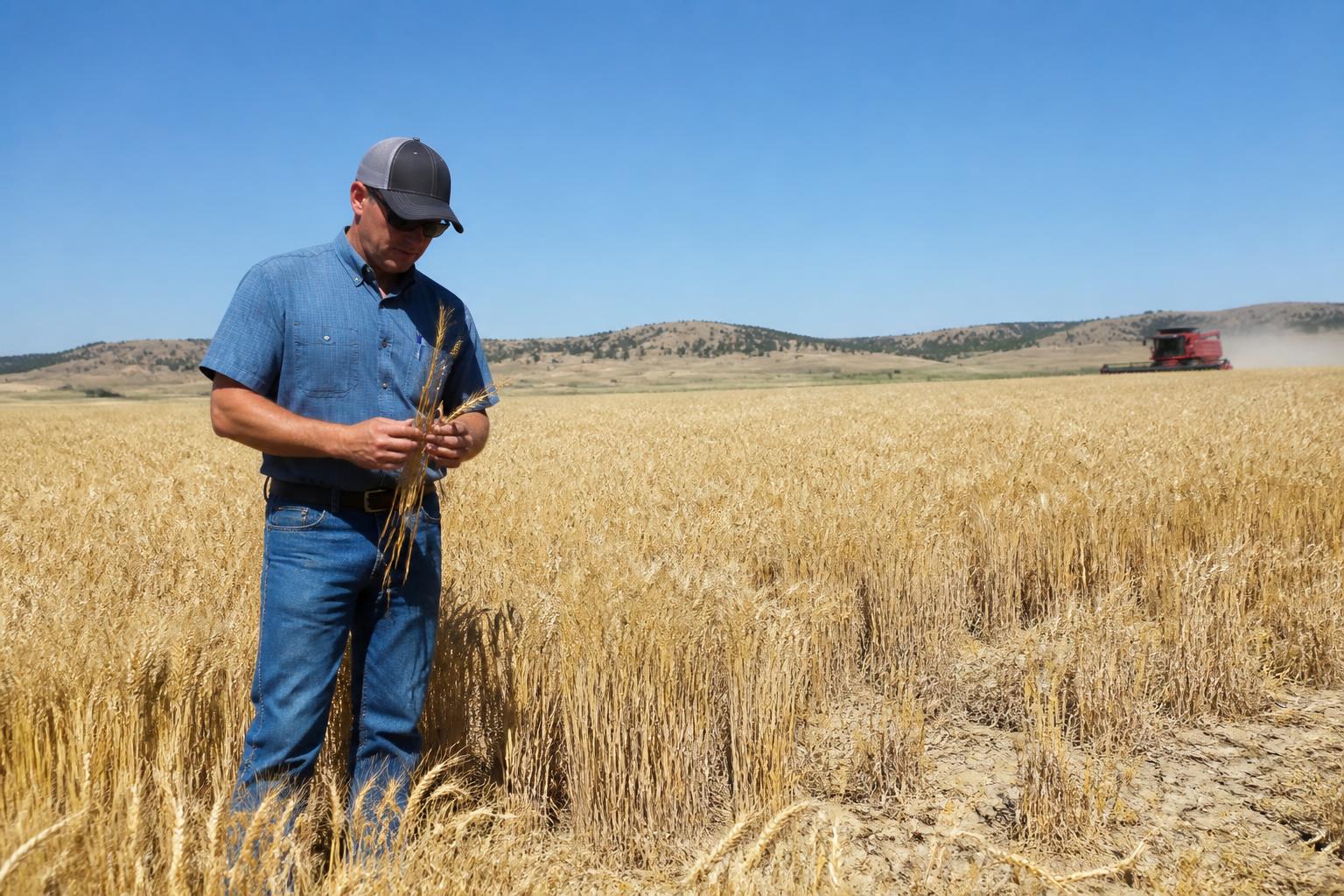
As the summer harvest cycle progresses across Colorado, farmers and regional agribusinesses are grappling with an environment where high input costs continue to challenge profit margins. Despite strong yield potential in some areas, the reality for many producers remains tethered to thin margins, as the cost of production remains a persistent hurdle compared to current grain pricing trends.
Managing Input and Production Pressures
For those managing fields from the high plains to the mountain valleys, keeping a close watch on operational expenditures is essential. Market analysts observe that rising fertilizer costs and other essential inputs are forcing many operations to re-evaluate their nutrient management strategies to maintain soil health while curbing unnecessary spending. Beyond fertilization, the broader economic landscape—including ongoing questions regarding labor costs—continues to impact how Colorado farms structure their seasonal workflows.
Strategic Shifts in Crop Management
Innovation remains a bright spot for the region, with the introduction of new wheat varieties specifically developed for Colorado's unique climate. Such advancements are often vital for producers looking to secure more stable returns in an unpredictable market. Furthermore, keeping up with local storage and marketing decisions can make a significant difference during peak delivery periods. As supply chains remain sensitive, producers may find that regional cooperation and direct engagement with local buyers can mitigate some of the volatility associated with larger corporate consolidation.
Logistics and Market Outlook
Efficient movement of grain is critical during these warm summer months, particularly as transport demand remains tight. Whether moving crops to local elevators or preparing for regional export, logistics planning is a primary concern for carriers and farm managers alike. Monitoring current regional cash bids is recommended as producers look to time their sales in a fluctuating environment.
What it means for the market: For Colorado agribusinesses, the current climate reinforces a focus on operational discipline. By prioritizing efficiency in input use and staying agile with storage and transport strategies, producers can better position themselves to withstand the dual pressures of elevated production costs and evolving market demands.
Comments
No comments yet - be the first to share your take.