
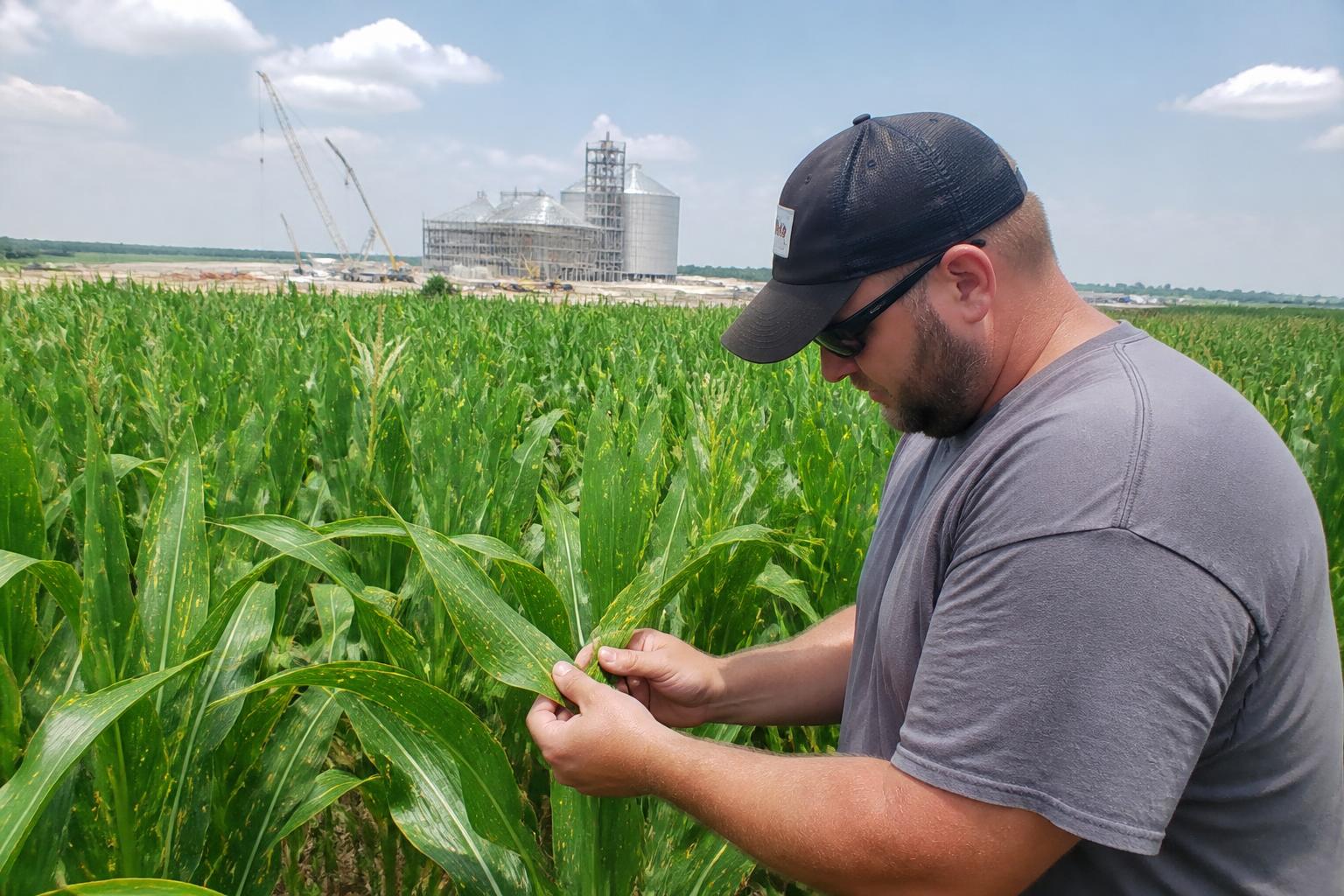
Indiana’s agricultural landscape is seeing a wave of infrastructure investment that promises to streamline the movement of grain and strengthen the supply chain. As production continues to navigate seasonal pressures, recent developments in grain handling facilities and regional transportation corridors are becoming focal points for producers looking to optimize their harvest logistics.
New facility projects, including significant grain handling developments, are expanding the state's capacity to process and store volume. These additions, coupled with ongoing efforts to bolster local ag transport networks, aim to reduce bottlenecks that often arise during peak delivery windows. For many, these improvements are timely, as growers balance field management with the need for reliable, cost-effective export pathways.
Aligning Logistics with Regional Growth
The commitment to expanding agricultural infrastructure extends to the state's port system, which continues to evolve to serve Indiana's farming communities. By improving access to vital shipping corridors, these enhancements are designed to help producers mitigate the impacts of rising mid-summer operational costs. As these upgrades move forward, they provide a much-needed buffer against the logistical complexities that often define the harvest season.
Alongside these physical upgrades, the broader economic environment remains a key consideration for regional stakeholders. Recent initiatives aimed at fostering growth in the agriculture and life sciences sectors suggest a long-term commitment to maintaining the competitiveness of Indiana's farm economy. This focus on institutional support often translates into better resources for grain infrastructure expansion, ensuring that the state remains a critical hub in the national supply chain.
What it means for the market
For grain handlers and local transporters, the shift toward increased capacity and modernized logistics suggests a period of transition where efficiency gains may play a larger role in profit margins. Producers should monitor local facility timelines as these projects come online, as expanded storage and handling options could provide greater flexibility in timing sales during the busy harvest months. Staying ahead of these infrastructure updates will be essential for navigating the changing landscape of Indiana's agricultural logistics.
Comments
No comments yet - be the first to share your take.