
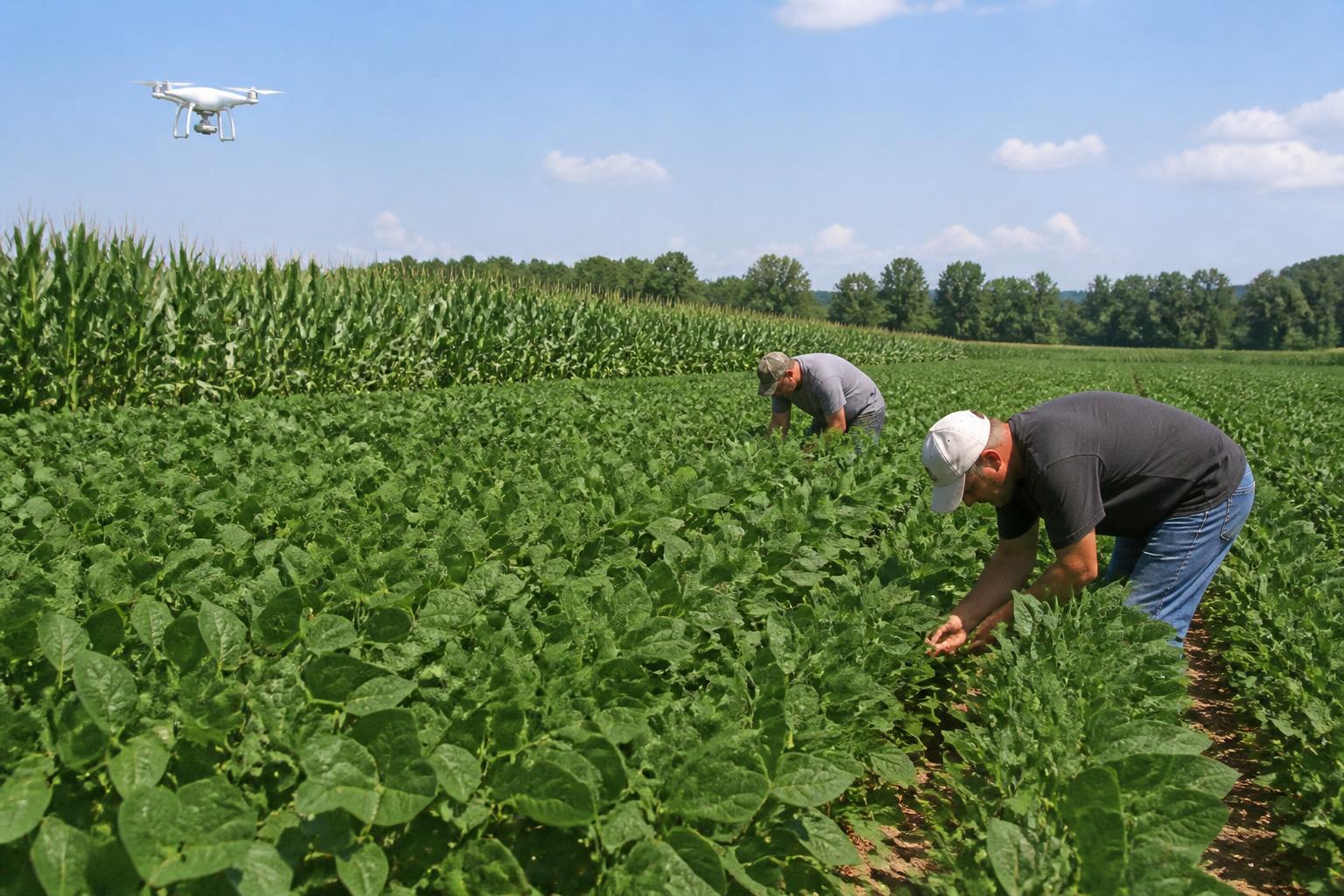
Arkansas farmers are currently balancing high-stakes crop management with a shifting logistics landscape. As we move deeper into the summer season, the focus remains on sustaining field health across corn and soybean acres, while regional agribusinesses continue to invest in tools that aim to streamline long-haul transportation and supply chain bottlenecks.
Technology adoption, particularly in the logistics sector, is becoming a focal point for the state. Recent funding initiatives aimed at boosting local startups emphasize a broader industry drive toward optimizing freight operations. For grain handlers and producers, improved logistics can often translate to more reliable movement of goods, especially as the industry looks to maintain margins in an environment where operational costs remain a persistent concern.
Infrastructure and Equipment Evolution
The changing footprint of local agricultural service providers serves as a reminder that the physical infrastructure supporting Arkansas farmers is constantly in flux. As established tractor dealerships shift locations or consolidate services, operators are reminded of the need to stay agile in their procurement strategies. Ensuring access to reliable machinery and parts is critical, particularly as producers manage ongoing challenges such as pest pressures in sensitive rice and row crop markets.
Furthermore, the integration of new technologies, such as drone demonstrations, signals a transition toward precision-based management. By leveraging these tools, producers may find opportunities to better monitor field conditions without the labor-intensive requirements of manual scouting, which is particularly beneficial when managing the varied disease pressures that can arise during the peak summer window.
What it means for the market
For those across the Arkansas supply chain, the current climate demands a two-pronged approach: optimizing on-farm productivity through technology and keeping a close watch on regional logistics efficiency. While global macroeconomic factors influence price volatility, strengthening local operational resilience remains the best hedge for producers and agribusinesses looking to secure their position before the fall harvest begins.
Comments
No comments yet - be the first to share your take.