
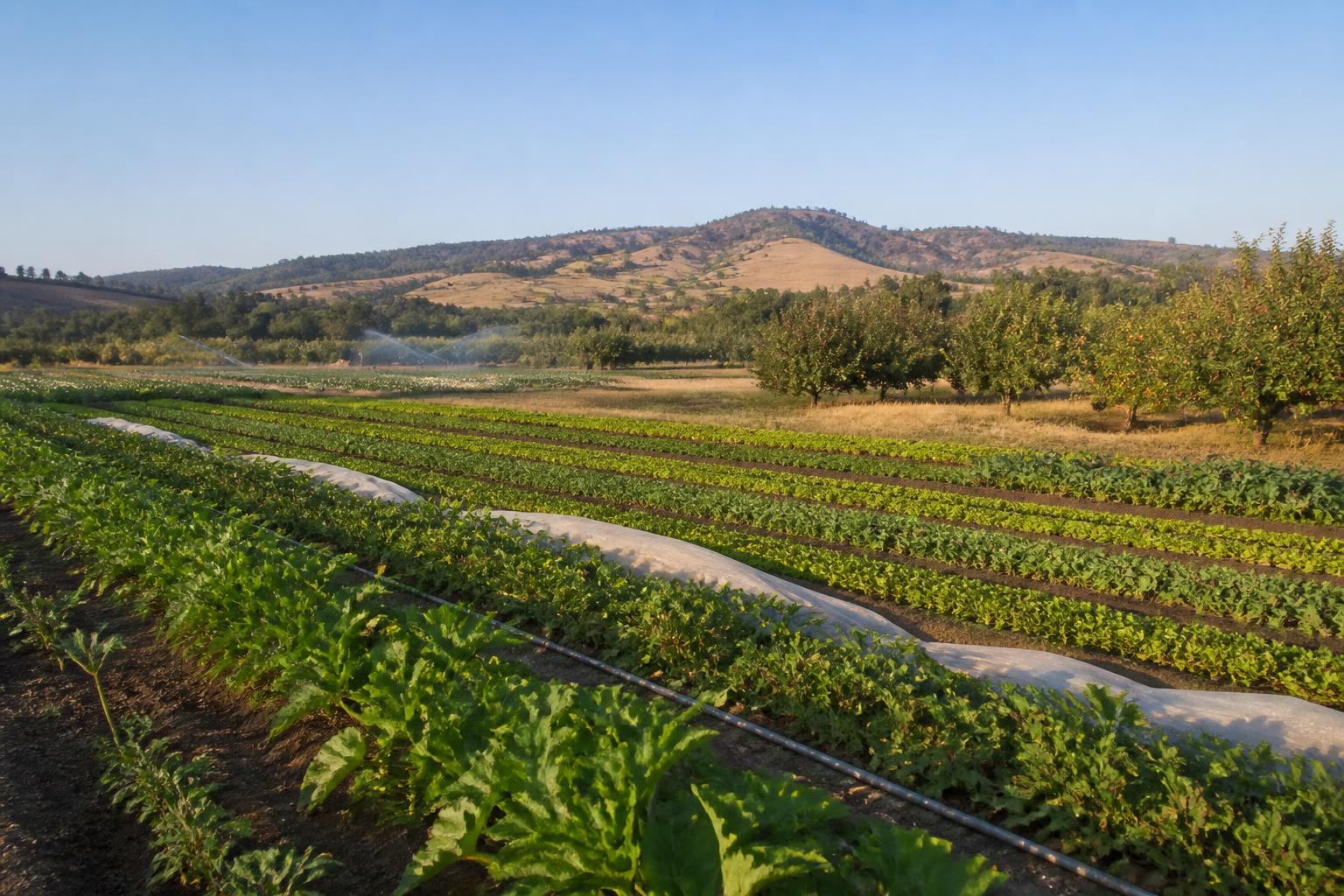
The Utah agricultural landscape remains in a state of adjustment as producers continue to contend with a growing season characterized by erratic weather patterns. Following a series of late-spring frost events that hit regional fruit production, growers across the state are focusing on recovery and input management strategies to stabilize yields.
Amid these environmental pressures, some operations are evaluating new tools for nutrient management. Recently, state registrations have been finalized for TerraSante, a biofertility product that aims to support crop health. As producers look to navigate tight margins and changing climate conditions, the integration of such inputs represents a strategic shift toward more flexible, biologically focused management practices.
Refining Input Strategies Under Pressure
For many local agribusinesses, the necessity of doing more with less water and higher input costs has become a central theme of the current summer nutrient strategy. The adoption of advanced irrigation techniques and specialized bio-inputs is being closely monitored by commercial growers, particularly in fruit-producing counties where recent weather shocks have created a need for increased plant resilience.
Logistics and Resource Management
While the focus remains on crop protection, the logistics of distributing these newer, specialized products through regional supply chains are also evolving. Ag-retailers and local elevators are increasingly looking at how bio-based technologies fit into traditional supply frameworks. This shift is occurring in parallel with ongoing efforts to improve water efficiency and soil conservation across Utah’s diverse agricultural corridors, from the high desert reaches to more temperate valleys.
What it means for the market
The registration of new bio-fertility solutions provides Utah growers with an additional mechanism to mitigate the stress of an unpredictable climate. For input buyers and local distributors, this represents a gradual diversification of the product mix. While weather-related yield uncertainty persists, the increased availability of these inputs allows for more granular control over crop vitality, potentially offering a buffer against the high-stakes volatility seen earlier this spring.
Comments
No comments yet - be the first to share your take.