
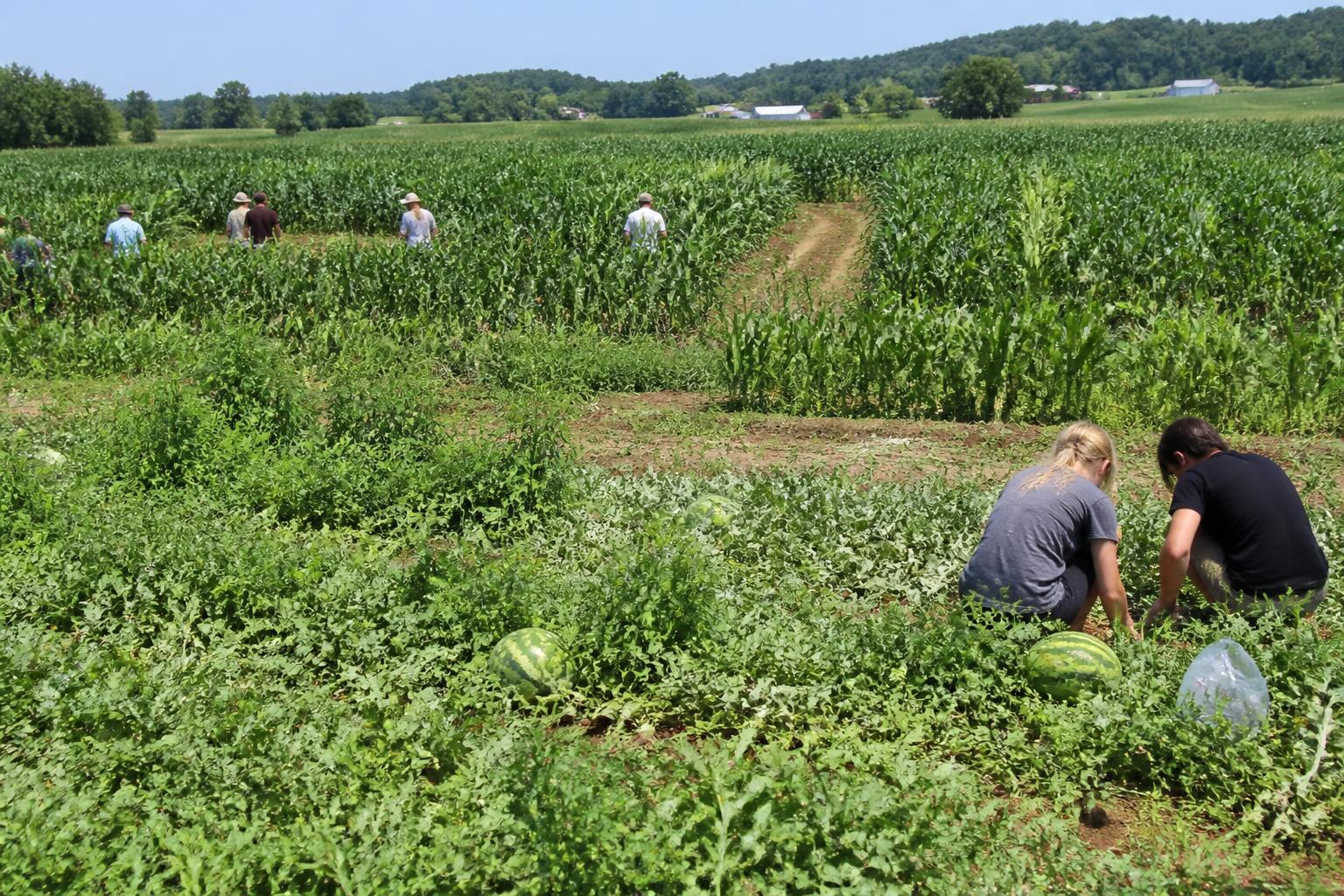
Mid-summer in Indiana typically brings a focus on field maintenance and early preparation for the upcoming harvest cycle. For many local operations, the current season is often a time to review logistics, evaluate equipment health, and consider the economic viability of new capital investments versus relying on contracted services. As producers navigate these decisions, understanding local infrastructure capabilities becomes essential for efficient crop movement.
For those managing grain logistics across Indiana, staying ahead of regional capacity trends is increasingly important. Recent developments in grain handling facilities and logistics networks within the state are providing more options for transport and storage, which can help mitigate some of the traditional bottlenecks during the height of the harvest. As these pathways evolve, farmers often find that the ability to move product quickly is just as critical as yield management.
Evaluating Custom Harvesting for Operational Efficiency
The choice between upgrading heavy machinery or opting for custom harvesting has become a standard consideration for many Indiana agribusinesses. When high equipment costs clash with the need for timely field entry, custom operations can offer a necessary buffer. By leveraging professional harvesting services, producers may delay or avoid significant capital outlays while ensuring that their crops are processed during optimal windows. This approach not only impacts immediate overhead but also allows for greater flexibility in managing farm cash flow during lean periods.
Strategic Planning in a Changing Landscape
Beyond individual farm decisions, the broader agricultural climate continues to influence how Hoosier farmers approach their operations. Whether it is navigating regional export trends or adapting to shifting demands at local delivery points, maintaining a clear view of the supply chain is vital. Producers are managing their land and crop resilience with an eye on both local logistical constraints and national market signals, ensuring that their bottom lines remain protected regardless of broader economic fluctuations.
What it means for the market
For Indiana grain handlers and farmers, the current landscape rewards proactive logistics planning. As we progress through the summer, evaluating the balance between internal capacity and external harvesting services will be a primary driver of efficiency. Strengthening relationships with local service providers and keeping current with updated storage and transport infrastructure will remain the best defense against seasonal volatility.
Comments
No comments yet - be the first to share your take.