
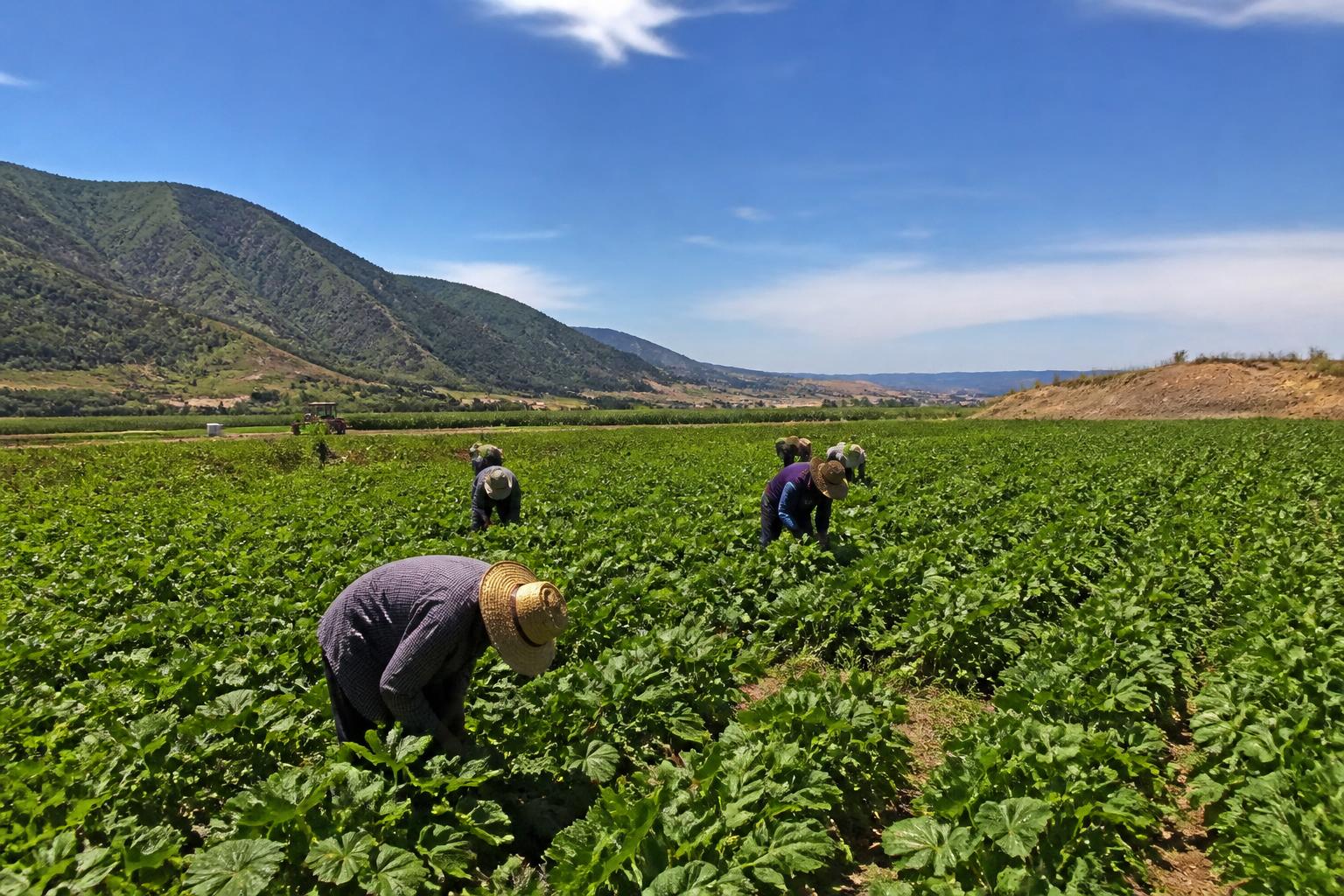
Mid-summer in Arizona brings unique challenges to agricultural operations, particularly as growers manage the delicate balance of soil health and heat-stressed crop cycles. With the state's intensive agricultural calendar, ensuring consistent nutrient delivery remains a top priority for farm managers and input buyers alike. As observed in recent desert soil dynamics, the intense heat requires careful monitoring to ensure that applications remain effective and avoid unnecessary waste.
Managing Input Logistics Amid Seasonal Demand
For those managing inputs in Pinal or Yuma County, the logistics of transport continue to be a primary variable. The interplay between energy costs and freight capacity often influences the availability of localized fertilizer supplies. Strategic purchasing during quieter periods can help mitigate the risks associated with volatile shipping windows. Maintaining a proactive nutrient strategy is often essential, especially when dealing with the high-output demands of Arizona specialty crops during peak summer growth phases.
Market Trends and Regional Considerations
While global agricultural trade reports suggest mixed trends for broader inputs, the local Arizona market remains sensitive to specific regional requirements. Growers are increasingly looking for ways to optimize their existing infrastructure, from precision application equipment to improved storage solutions. As producers look toward future planting cycles, the focus is shifting toward maximizing yield efficiency while managing the overhead costs of essential fertilizers. Much like the broader shifts in Arizona ag transport, staying updated on regional supply chain shifts can offer a tangible competitive edge.
What it means for the market
For Arizona agribusinesses and farmers, the current climate reinforces the need for agility. With input prices remaining mixed, there is a clear opportunity for operators to lean into data-driven decision-making. By closely monitoring local supply availability and coordinating with logistics partners early, growers can better protect their operations from the seasonal bottlenecks that typically define mid-summer in the desert.
Comments
No comments yet - be the first to share your take.