
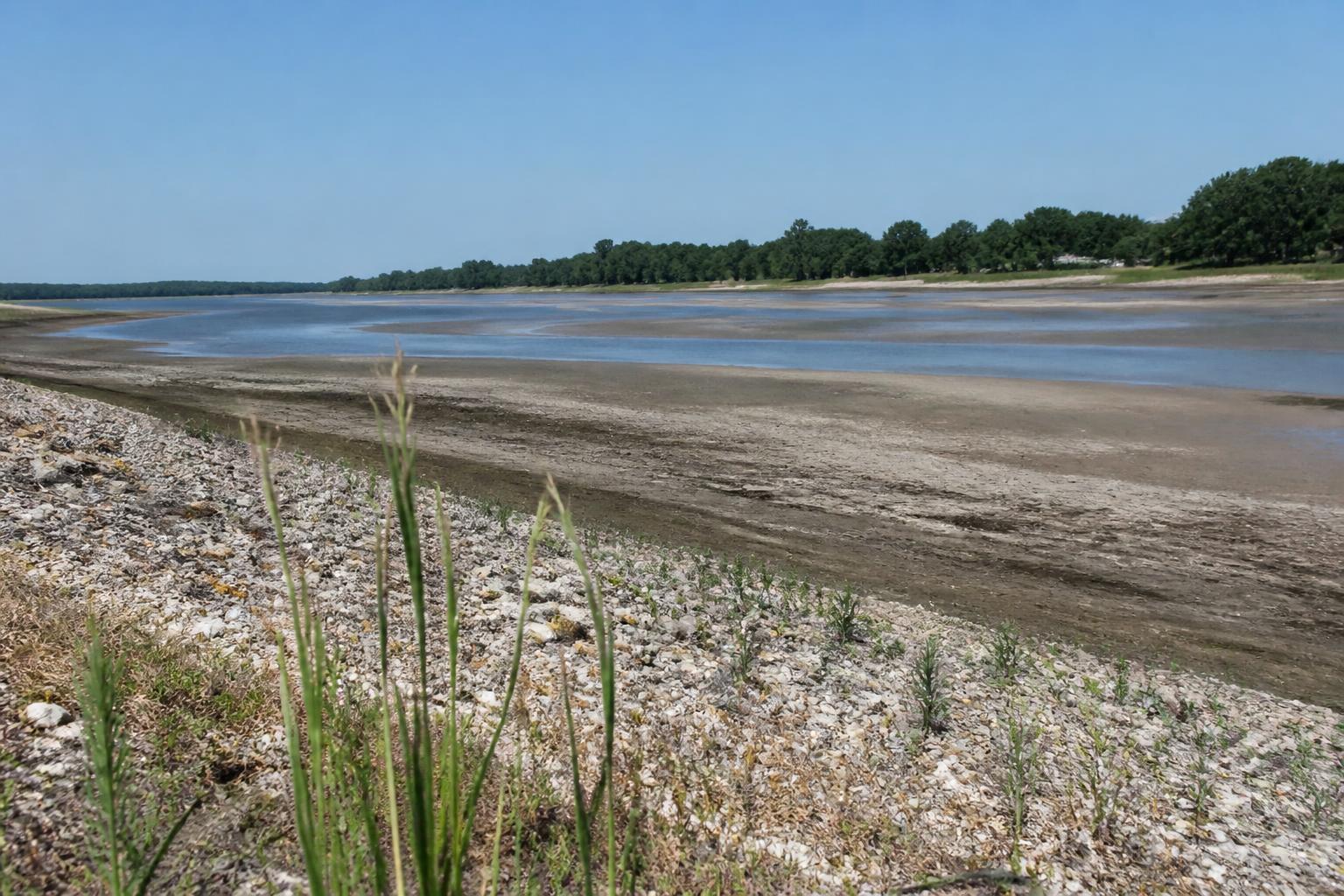
Navigating River Logistics and Transport Hurdles
For Mississippi producers, the movement of grain continues to be a focal point as shipping channels face fluctuating conditions. Historically, the reliance on the river system has been a cornerstone of local agribusiness; however, periods of low water levels frequently complicate barge traffic, forcing regional elevators and logistics providers to reassess their supply chains. When river transport becomes unreliable, many operators in the Delta are prompted to weigh the costs of shifting toward increased trucking capacity, a move that often tightens local freight availability and alters the landed cost of commodities.
Storage and Seasonal Pressures
The current environment highlights the challenges of balancing production with existing infrastructure capacity. Throughout Mississippi, stagnant growth in grain storage facilities means that timing is everything. As farmers weigh their options—whether it is holding grain for better pricing windows or moving it directly to market—the lack of surplus storage space often dictates a more aggressive delivery schedule during harvest. This creates a bottleneck effect, particularly when transportation costs are already elevated due to regional logistics constraints.
Adapting Field Strategies
Beyond the logistical strain, Mississippi growers are managing a complex season marked by variable soil moisture. While some areas have grappled with the implications of persistent dryness, other regions have faced challenges with excessive rainfall during planting. These micro-climatic shifts are influencing crop variety selection and acreage decisions across the state, with some operations shifting focus toward peanuts and grains as they evaluate the long-term profitability of their land.
What it means for the market
Farmers and agribusinesses should continue to monitor freight premiums closely as river levels dictate short-term shipping viability. Given the potential for tight storage conditions, securing logistics partnerships early remains a practical strategy for mitigating volatility. With regional infrastructure currently under pressure, maintaining flexibility in your marketing plan is essential to offset the rising costs of traditional transport channels.
Comments
No comments yet - be the first to share your take.