
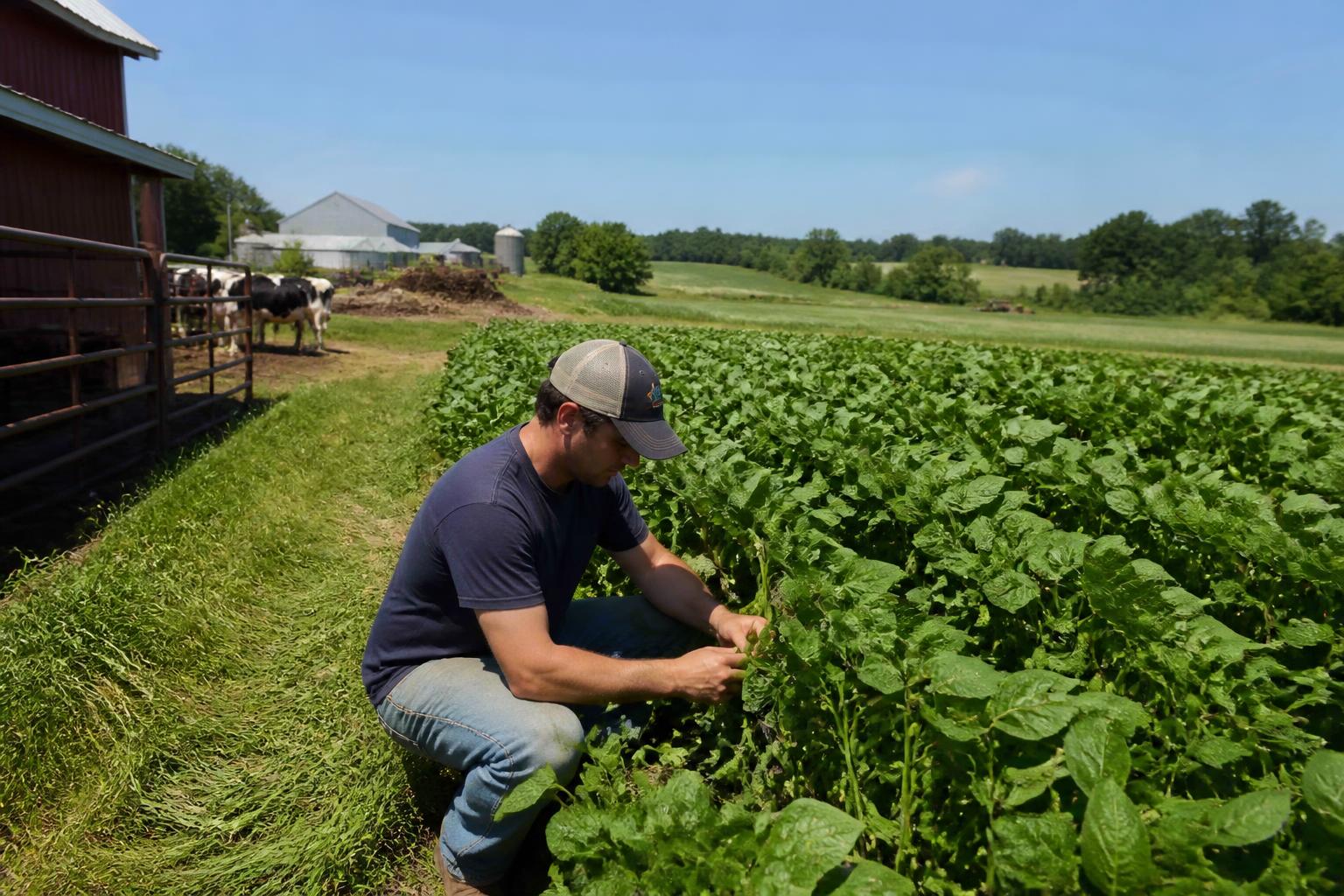
Mid-summer in Connecticut brings a unique set of challenges and opportunities for the state's grain and feed producers. With the growing season in full swing, agricultural operators across the state—from the fertile valleys to family-run legacy farms—are carefully monitoring market signals that influence input costs and future revenue. As local farmers balance the demands of intensive summer production with fluctuating national price points, staying informed on current market sentiment is essential for effective risk management.
Navigating Price Volatility
Commodity markets have recently shown a mix of activity, with corn and soybean prices displaying modest movement in early July. For Connecticut producers, these shifts serve as a reminder of the interconnected nature of regional agriculture and national grain trade. Whether managing feed costs for livestock operations or planning post-harvest logistics, understanding these trends helps in navigating the daily realities of grain handling and procurement.
Resource Management and Long-Term Stability
Beyond the daily price board, the long-term viability of the sector relies on consistent planning and modern management practices. From integrating diverse grain sourcing strategies to leveraging available federal funding, Connecticut’s agricultural community continues to prioritize both efficiency and land stewardship. Many operations are currently focused on balancing immediate harvest-preparation needs with the administrative tasks required to secure financial support, ensuring that local food and feed supply chains remain resilient regardless of broader market instability.
What it means for the market
For Connecticut farmers and grain handlers, the current environment underscores the importance of a conservative approach to inventory and input purchasing. While mid-summer price fluctuations can create short-term uncertainty, maintaining a clear view of operational expenses and taking advantage of available state and federal resources remains the most effective strategy for sustaining profitability through the remainder of the season.
Comments
No comments yet - be the first to share your take.