
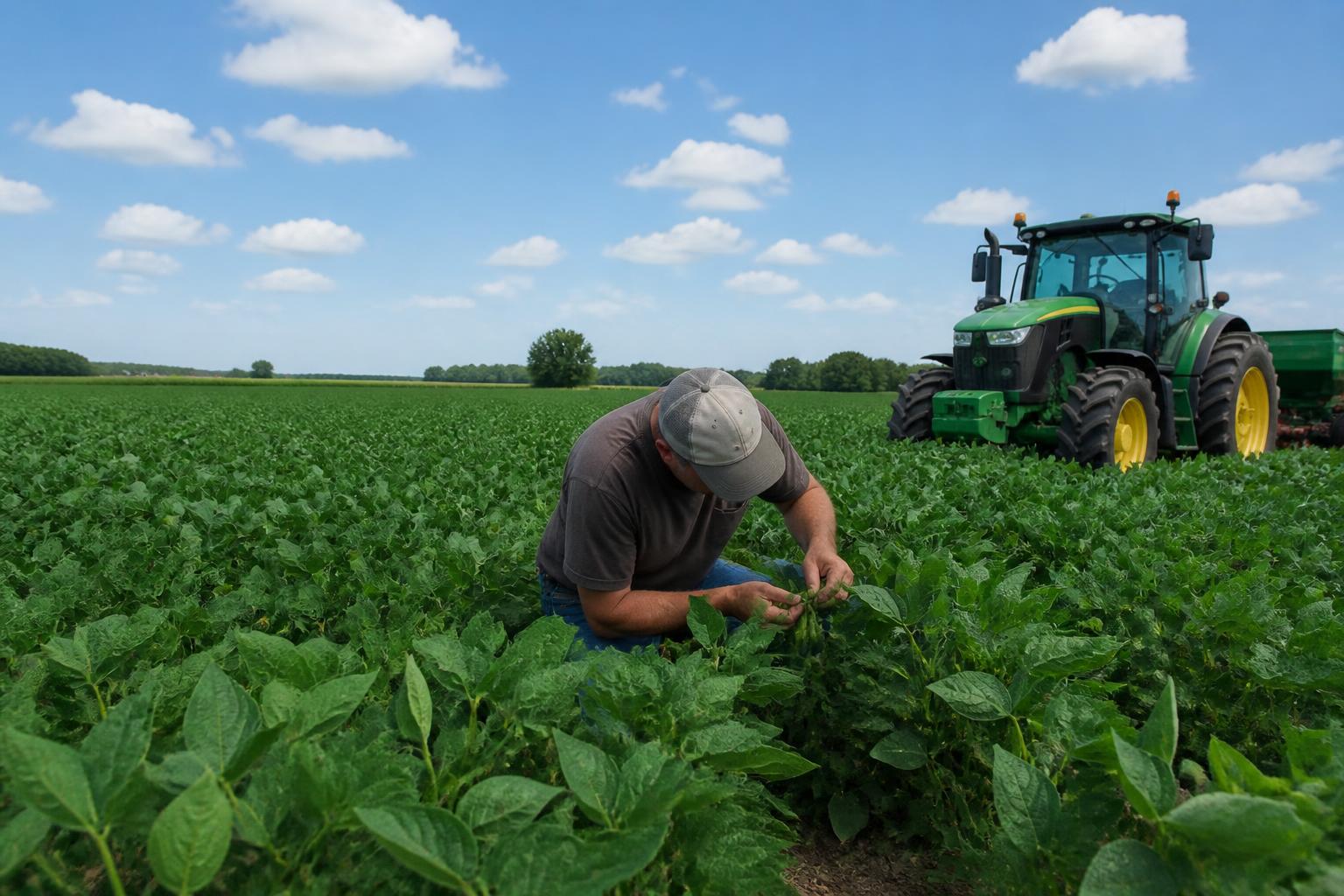
Mid-summer in Illinois brings a focus on field maintenance and protecting the potential of this year's crop. With many producers facing ongoing economic pressures, the emphasis on optimizing every dollar spent on inputs has never been more critical. While grain prices have seen volatility, growers continue to seek efficiencies in their crop protection strategies to maintain budget discipline without compromising long-term yield viability.
Recent adjustments in federal regulatory approvals for crop protection tools have provided a welcome, if modest, increase in options for soybean growers across the state. Farmers are currently evaluating how these new applications fit into their integrated pest management programs, particularly as they manage local environmental pressures that define the Illinois growing season.
Refining Input Strategies
For many Illinois operations, the current market climate necessitates a more rigorous review of every variable expense. From the northern reaches near DeKalb down to the southern tip of the state, the conversation frequently centers on balancing the immediate need for protective chemistry against the reality of thinner margins. Experts suggest that scouting remains the most effective tool in the kit, allowing for precision applications rather than broad-spectrum approaches that inflate cost bases.
Logistics and Market Resilience
Beyond the field, the broader Illinois agricultural infrastructure continues to adapt to shifts in both local and international demand. While some segments of the agribusiness sector have faced consolidation or organizational changes, the core logistical corridors—reliant on the state's extensive rail and river networks—remain the backbone of domestic grain movement. Maintaining these supply lines is essential as harvest preparations begin to appear on the horizon, despite the broader economic headwinds that have impacted farm liquidity in recent seasons.
What it means for the market
For the Illinois grower, the path forward requires a disciplined approach to input management and a focus on cost-efficiency. By prioritizing precision in crop protection and staying agile with logistical planning, producers can better position their operations to navigate the current economic cycle. Keeping a close watch on regional input availability and local, state-level conservation policy will be vital for those looking to protect their bottom line through the remainder of the summer.
Comments
No comments yet - be the first to share your take.