
Farmers across Middle Tennessee are urged to maintain heightened surveillance as the presence of the invasive spotted lanternfly has been confirmed in the region. During these warm July weeks, the pest is highly active, potentially impacting both specialty crops and broader agricultural landscapes. With the current summer crop protection efforts already in full swing, local growers are encouraged to integrate scouting for this pest into their routine field assessments.
Managing Pests and Field Integrity
The introduction of the spotted lanternfly presents a complex challenge for regional biosecurity. Unlike native species, this pest can cause significant damage to a variety of host plants. For producers managing high-value orchards or nurseries, identifying early infestations is critical to preventing long-term damage. While experts are working to establish containment protocols, on-farm monitoring remains the primary defense for individual operations.
Technology as a Scaling Solution
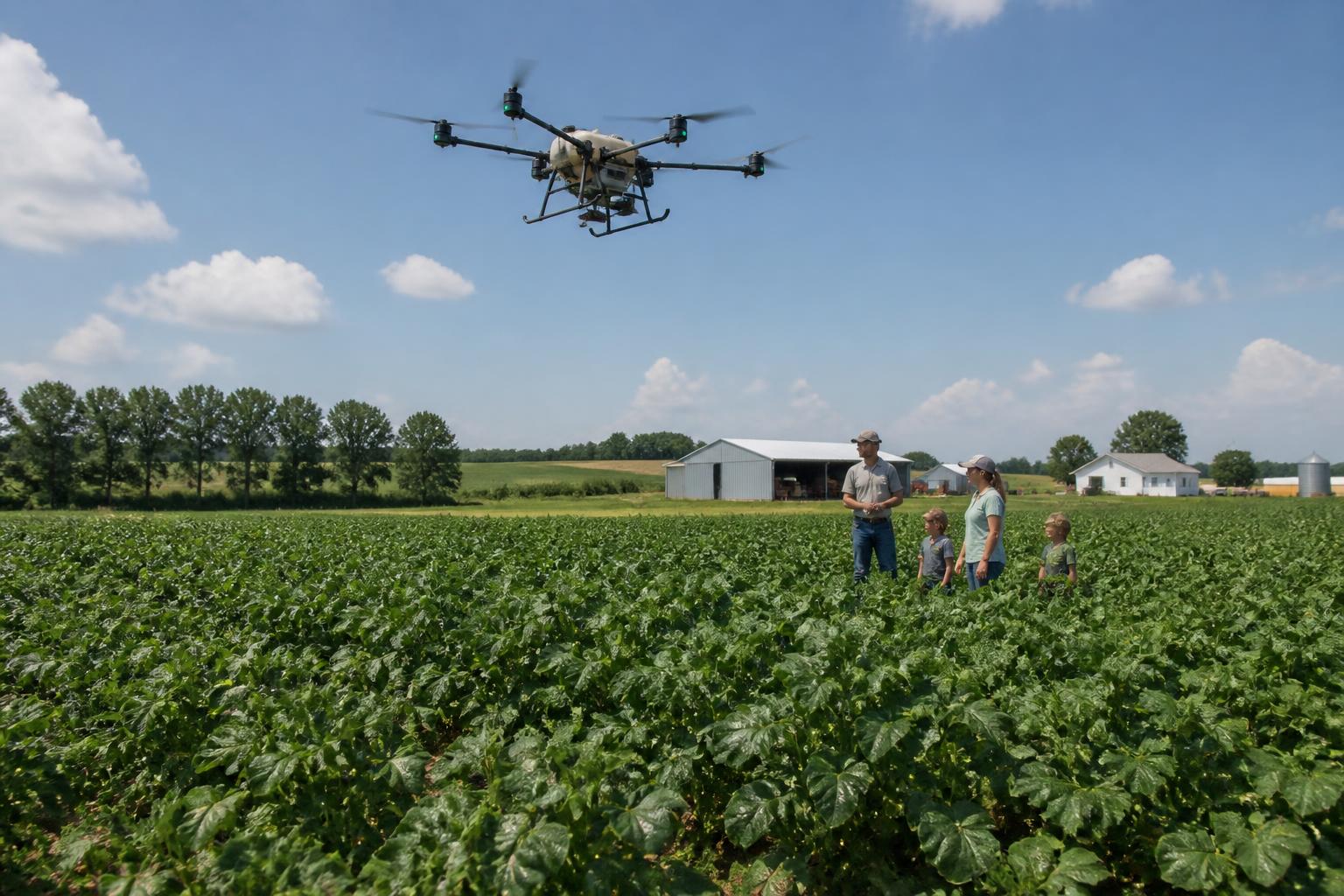
As the sector grapples with labor constraints and the need for precision, many Tennessee producers are looking toward advanced scouting tools. The adoption of agricultural drone technology for both application and monitoring has accelerated, providing farmers with a birds-eye view of field health that ground-based scouting might miss. These tools offer a way to identify stress points or early pest clusters before they reach an economic threshold, allowing for targeted interventions rather than blanket treatments.
What it means for the market
In the near term, farmers should anticipate increased focus on biosecurity and integrated pest management (IPM) protocols. Increased monitoring requirements may add pressure to already busy summer schedules, but early detection is essential for protecting yields. Agribusinesses and input providers are advised to remain ready to support producers with updated regional guidance and the latest pest management tools, ensuring that Tennessee's agricultural sector maintains its resilience against this emerging threat throughout the remainder of the season.
Comments
No comments yet - be the first to share your take.