
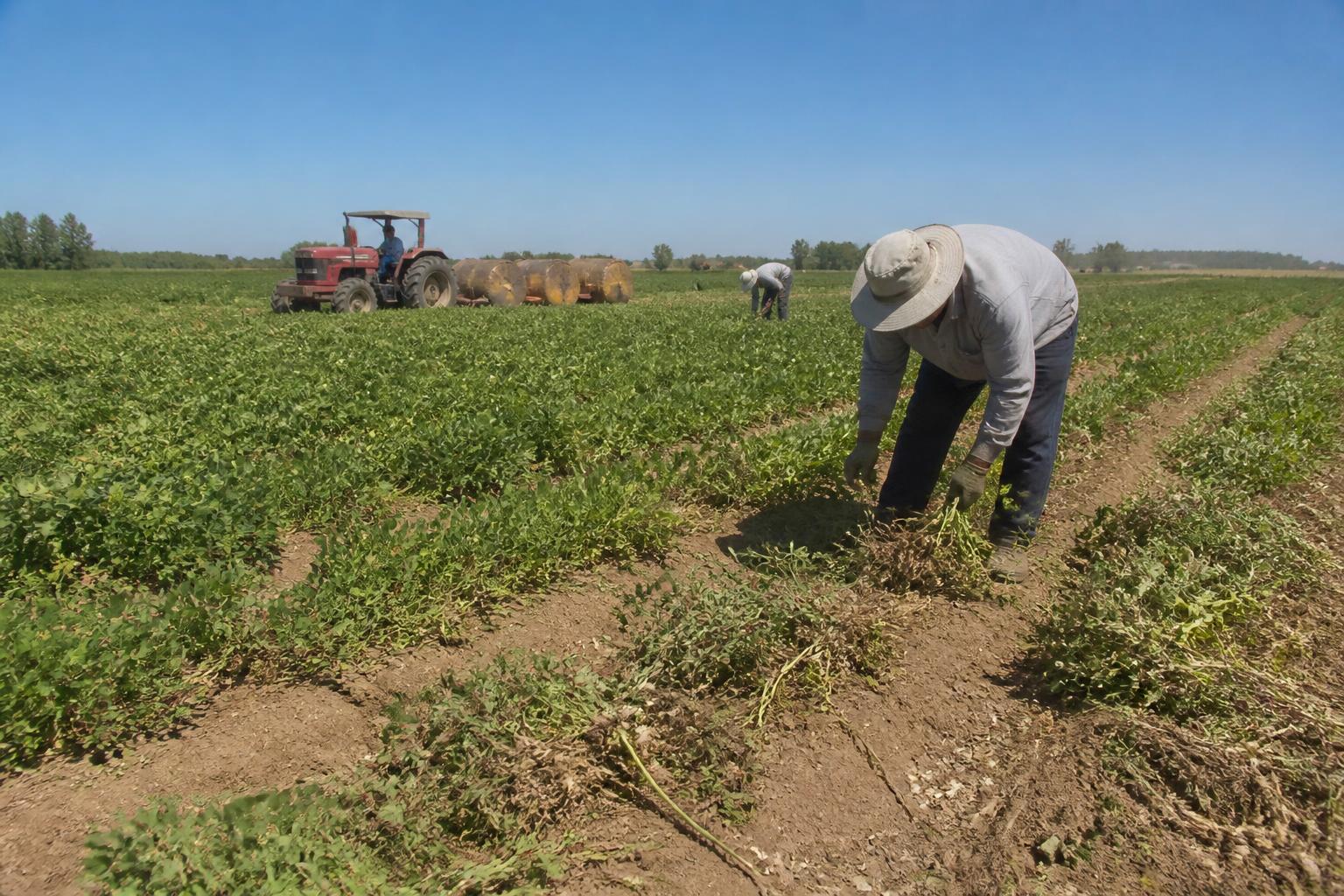
Protecting Yield Potential in Harsh Conditions
As we move deeper into July, the combination of intense heat and periods of moisture stress remains a significant hurdle for Alabama growers. Across the state, from the Tennessee Valley down to the Wiregrass, field conditions are testing the resilience of both row crops and specialty produce. Managing crop health in these conditions often requires a disciplined approach to irrigation scheduling and, where possible, prioritizing the protection of plant vigor against heat-related physiological strain.
For those managing high-value specialty crops, adapting harvest schedules to cooler early-morning hours can help maintain quality, while field monitoring remains essential to stay ahead of pest pressures that frequently thrive when crops are under stress. As discussed in our previous coverage of mid-season field strategies, timely intervention is often the difference between protecting potential yields and watching them diminish under extreme environmental pressure.
Resources for Resource Management
Extension services continue to provide valuable insights for navigating these volatile patterns. Utilizing available resources to monitor moisture levels and pest populations can help producers make informed decisions about input allocation. Whether utilizing precision irrigation or adjusting scouting protocols, focusing on data-driven management is vital during the peak of the Alabama summer.
Key Takeaways for Producers
- Prioritize early-morning harvesting for sensitive crops to mitigate heat-induced quality loss.
- Maintain consistent scouting schedules; heat-stressed plants are often more susceptible to secondary pest outbreaks.
- Utilize local extension guidance on moisture management as drought-like conditions persist in several counties.
What it means for the market: For local agribusinesses and grain handlers, the current environmental stress introduces a layer of uncertainty regarding final harvest volume. As yields fluctuate based on regional weather impacts, maintaining communication with local elevators and supply chain partners remains crucial for managing inventory expectations and logistics planning throughout the remainder of the season.
Comments
No comments yet - be the first to share your take.