
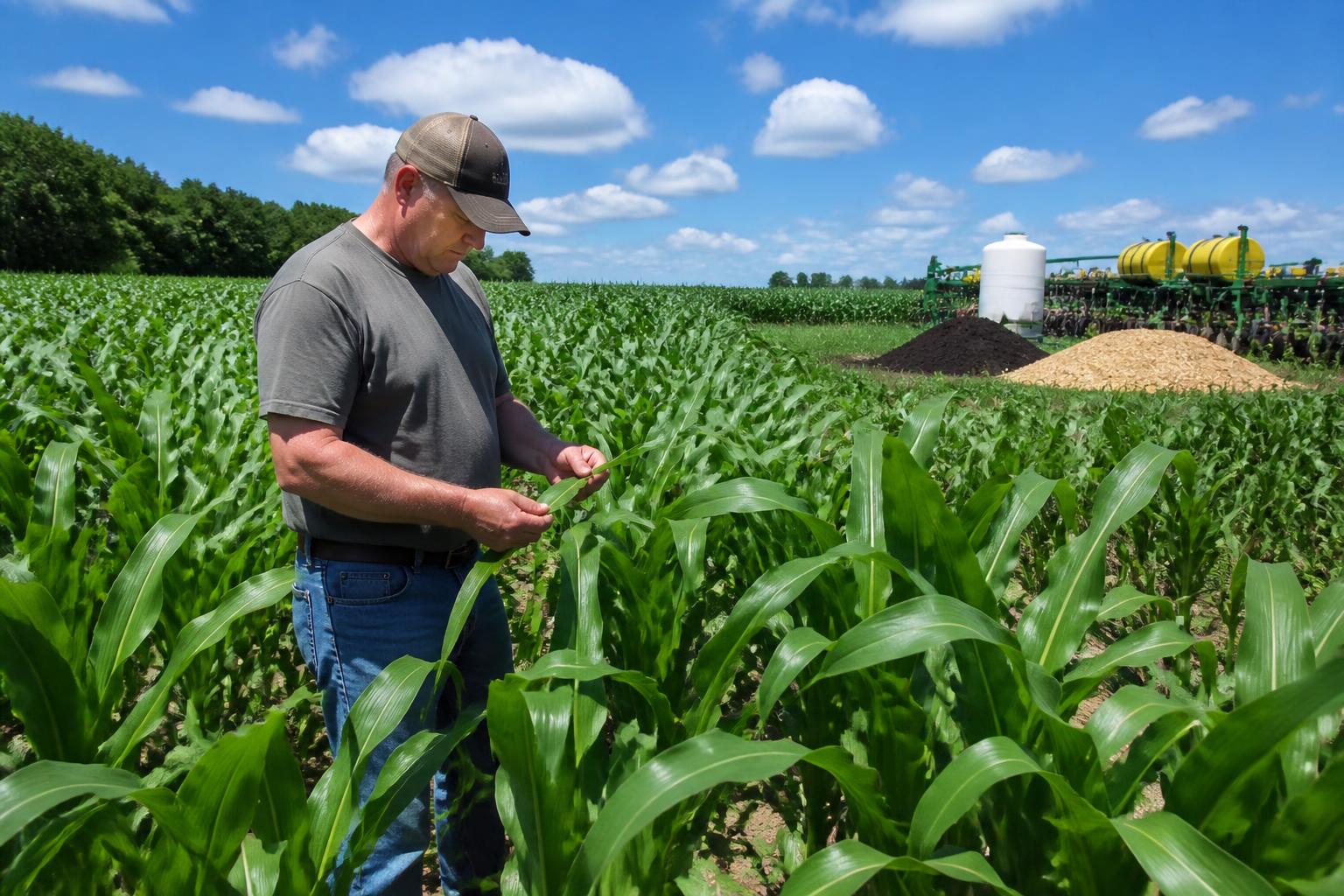
Mid-summer in Alaska presents a unique set of challenges and opportunities for producers across the state. With long daylight hours driving rapid vegetative growth, the window for effective crop protection and weed management is narrow. Farmers are currently balancing the need for rigorous field maintenance with the realities of input costs, which remain a significant hurdle for operations across the Last Frontier.
As producers work through the heart of the growing season, managing summer crop protection as Alaskan growing season peaks has become a priority to ensure that weed pressure does not compromise yields. Whether in the Matanuska-Susitna Valley or smaller regional pockets, staying ahead of invasive species and competitive weeds is essential. Many growers are reporting that early-season planning is the most effective way to keep costs manageable while ensuring that nutrient uptake remains focused on the primary crop rather than unwanted growth.
Strategic Input Management
The conversation around input costs is intensifying as farmers monitor global market trends and local supply availability. While domestic fertilizer prices in the Lower 48 often dictate regional sentiment, Alaskan producers are increasingly looking for ways to optimize their applications. Precision in timing remains key; applying protection products only when the economic threshold is met can help preserve margins that are otherwise tightened by high logistical overheads associated with importing supplies to the state.
Long-Term Resilience
Beyond immediate protection needs, the sector is also focusing on long-term sustainability. This includes monitoring for invasive species that could threaten the viability of agricultural lands and adjusting management practices to account for the unique soil profiles found throughout the region. By diversifying management strategies and keeping a close eye on field-level performance, growers are better positioned to weather the volatility inherent in modern agricultural markets.
What it means for the market
For grain handlers and input suppliers in Alaska, the mid-summer period is a critical time to maintain flexible inventory levels. As the season progresses, expect continued demand for specialized crop protection products that can handle the rapid growth cycles typical of the state's high-latitude environment. Keeping close ties with local producers and anticipating their logistical hurdles will be key to sustaining supply chain health through the harvest window.
Comments
No comments yet - be the first to share your take.