
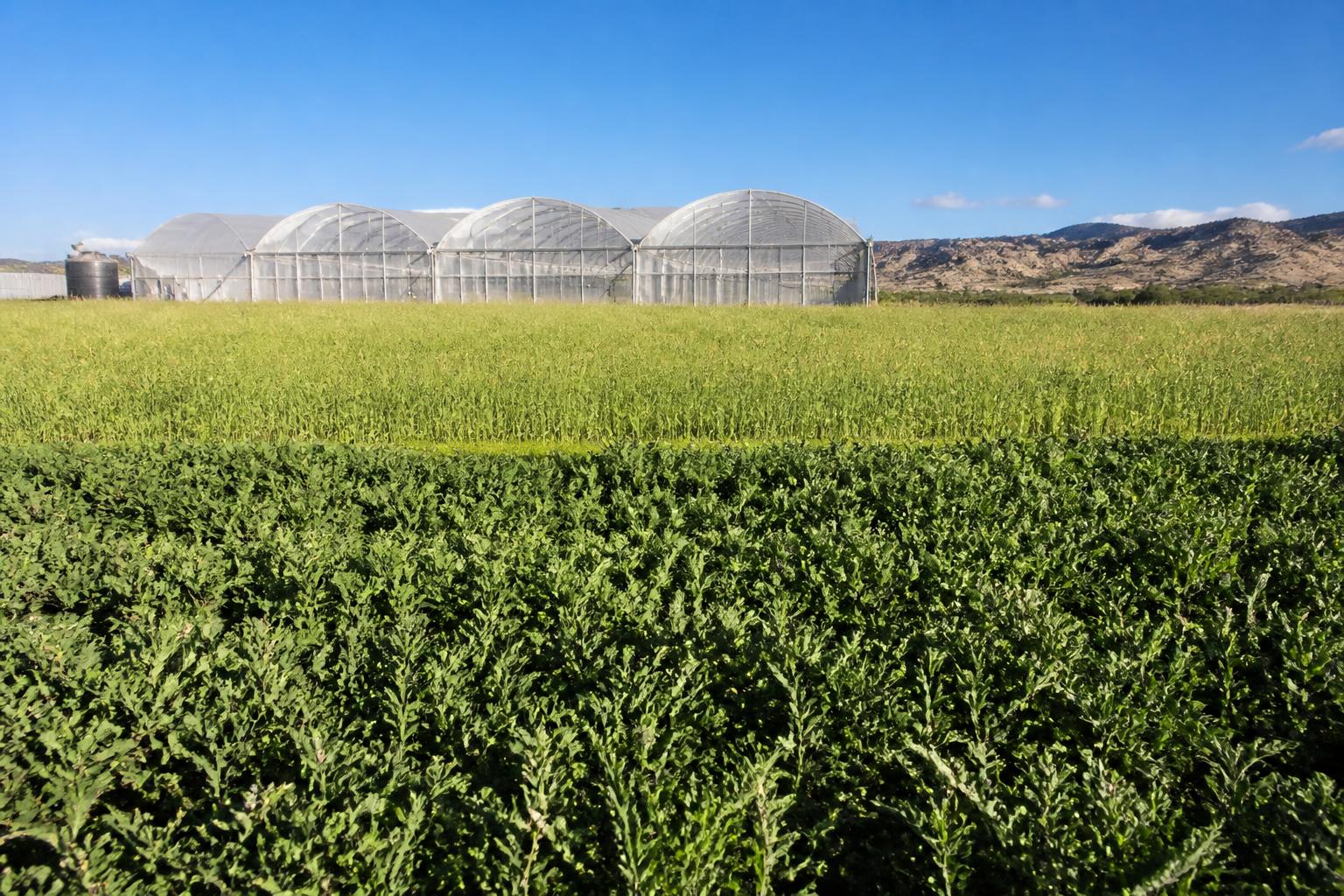
For Colorado agribusinesses and farmers, the current summer season brings a complex intersection of operational hurdles. As the industry navigates a landscape shaped by long-term environmental factors, including regional drought conditions, efficient movement of goods from field to facility remains a critical priority. Producers are often finding that local logistics are sensitive to both weather-related disruptions and broader changes in infrastructure capacity.
Maintaining an effective supply chain often requires careful coordination between grain handlers, livestock operators, and transport carriers. In areas near major agricultural corridors such as the Northern Front Range, developers and planners are working to balance development needs with regulatory requirements, such as establishing mitigation banks to address wetland impacts. These measures, while essential for compliance, add another layer of logistical planning for those managing land and transport routes near Greeley and beyond.
Adapting to Operational Realities
The resilience of Colorado's agricultural sector is increasingly tied to the ability to integrate new technologies and optimize existing infrastructure. As market volatility influences operational costs, growers are looking closely at how transport efficiency can preserve thin margins. Whether dealing with harvest windows or the transport of specialized inputs, minimizing downtime is vital for those operating in tight corridors.
Furthermore, the broader economic climate, including potential shifts in trade policy, continues to influence the cost of doing business. For many in the state, shifting supply chain pressures require a proactive approach to contracting and route planning. Diversifying transport options and maintaining close ties with local processors remains a primary strategy for mitigating risks associated with national economic fluctuations.
Resource Management and Growth
Sustainability and innovation remain central themes as the state addresses long-term climate trends. From upgrading facilities to handle grain volume more effectively to adopting precision tools that monitor soil moisture and input use, the focus is on maintaining output despite variable environmental conditions. Agribusinesses that prioritize reliable partnerships and data-driven logistical planning are better positioned to weather the unpredictability inherent in western agriculture.
What it means for the market
Producers and logistics providers should anticipate continued pressure on transport routes throughout the summer. By prioritizing early booking for freight and maintaining transparent communication with processing facilities, stakeholders can better navigate regional infrastructure limitations and seasonal demand spikes.
Comments
No comments yet - be the first to share your take.