
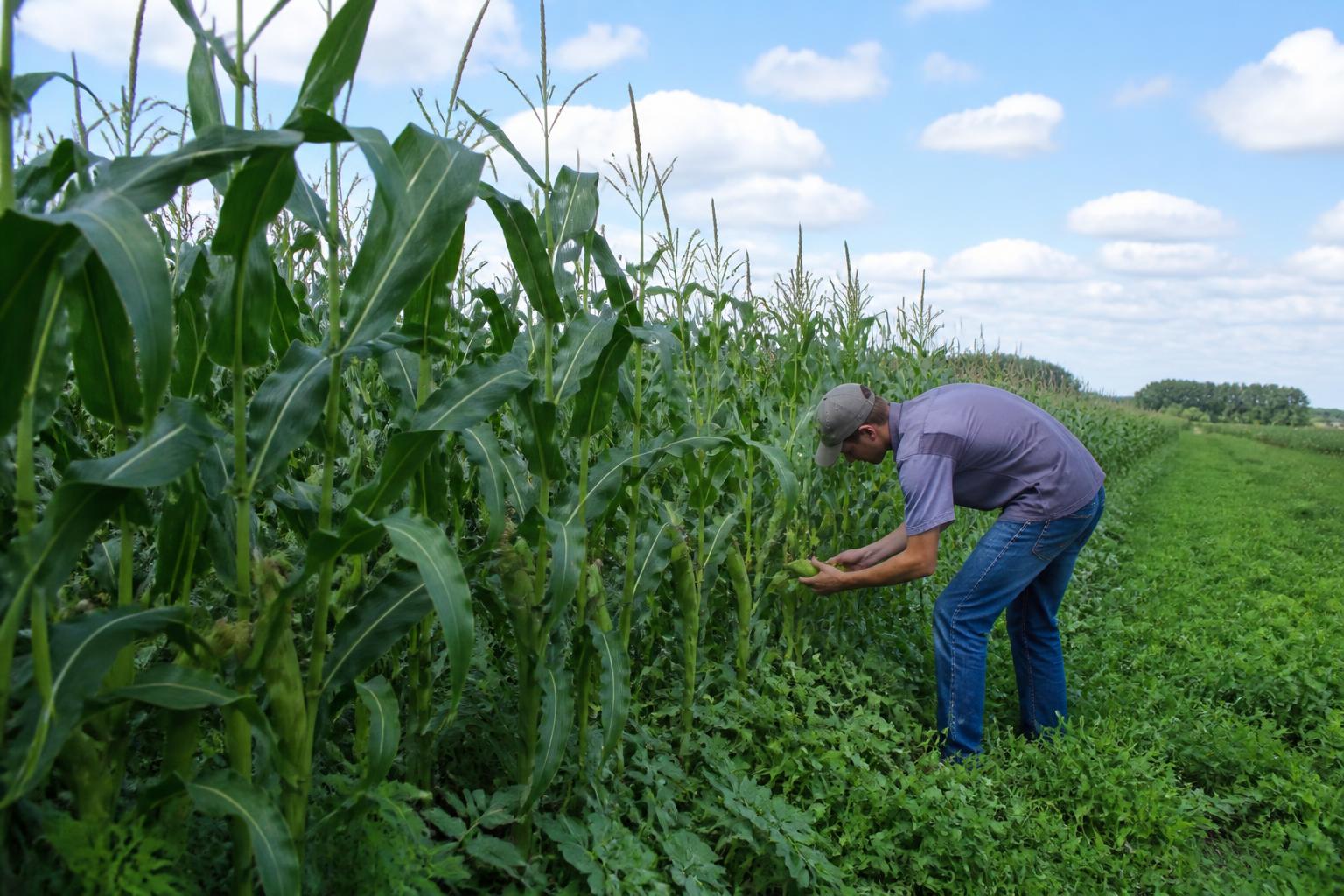
In the heart of the Minnesota summer, local growers are balancing the immediate demands of crop protection with the broader, often unpredictable shifts in national and global commodity markets. With recent weather patterns impacting field accessibility in some regions, keeping a close watch on pest thresholds is becoming more critical to maintaining strong stands.
Effective crop protection strategies remain essential as the season progresses. Many producers are shifting their focus toward precise application timing, particularly as fields reach growth stages where moisture management and canopy health dictate long-term success. For those in counties where soil conditions vary significantly, scouting for early-season insects and weed escapes is providing the necessary data to adjust input investments for the remainder of the year.
Adapting to Seasonal Logistics
The state's robust rail infrastructure continues to play a vital role in moving commodities and inputs throughout the season. However, logistics remain tight, and handlers are keeping a close eye on transport efficiency. For elevator managers and carriers, the current goal is to ensure that essential supplies for mid-summer management—such as fungicides or late-season nutrient applications—move through supply chains without disruption. Maintaining clear communication with suppliers helps mitigate the risks of localized shortages during peak demand windows.
Market Sentiment and Input Decisions
Current market conditions reflect a period of little conviction, often leaving producers to rely heavily on fundamental local factors rather than broader price speculation. With shifting trade discussions, farmers are increasingly scrutinizing their return on investment for each pass over the field. Focusing on sustainable practices, such as water quality improvements and soil health initiatives, is not just a regulatory consideration but a practical step toward long-term operational resilience.
What it means for the market
For Minnesota agribusinesses, the takeaway is clear: efficiency is the primary driver of profitability in a low-conviction environment. As producers monitor field progress, the ability to pivot input strategies quickly based on real-time pest and moisture data will distinguish high-yielding outcomes from standard ones. Expect continued emphasis on cost-effective, high-impact management as the market looks toward the upcoming harvest season.
Comments
No comments yet - be the first to share your take.