
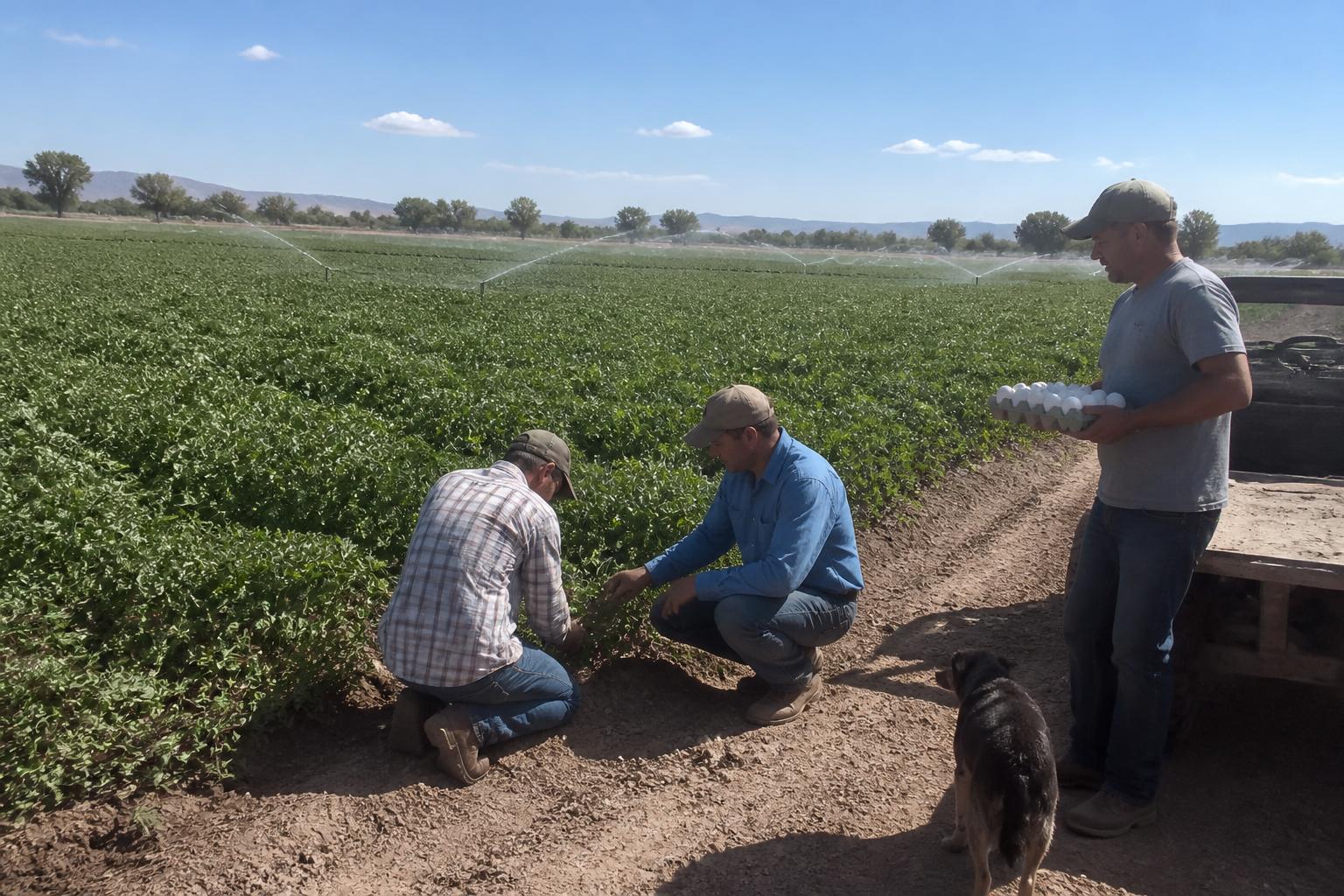
Mid-summer in Arizona brings more than just record temperatures; it creates a complex operational environment for the state's agricultural supply chain. As growers in the Phoenix metropolitan area and surrounding desert counties adapt to the extreme heat, logistics providers are also recalibrating to ensure that sensitive commodities maintain quality while moving from field to market.
Heat management remains the primary logistical hurdle. In regions where cooling is essential to prevent degradation, the energy costs associated with climate-controlled transport can fluctuate, impacting margins for local handlers. Furthermore, producers are increasingly looking toward resource-efficient transit solutions to manage the impact of summer heat on both equipment performance and labor availability.
Export Volatility and Market Shifts
Beyond the weather, Arizona's alfalfa industry continues to navigate a turbulent export market. Recent shifts in international trade policy have created significant downward pressure on demand, leaving some producers struggling to find viable outlets for their harvest. For many handlers, these market headwinds are forcing a tighter focus on domestic logistics and regional storage capabilities to mitigate the volatility caused by reliance on fluctuating overseas shipments.
Focus on Operational Resilience
As the sector moves through July, the emphasis remains on efficiency. With ongoing discussions regarding state-level adjustments to agricultural regulatory requirements and grant support for water-efficient infrastructure, there is a growing trend toward on-farm optimization. Producers who can successfully integrate improved soil moisture management with refined shipping schedules are better positioned to weather the current cycle of elevated logistical and economic pressures.
What it means for the market
For the Arizona agribusiness community, the current landscape necessitates a conservative approach to inventory and logistics. Expect continued pressure on export-heavy commodities, but look for potential opportunities as regional infrastructure investments begin to prioritize water conservation and localized supply chain stability during the peak summer months.
Comments
No comments yet - be the first to share your take.