
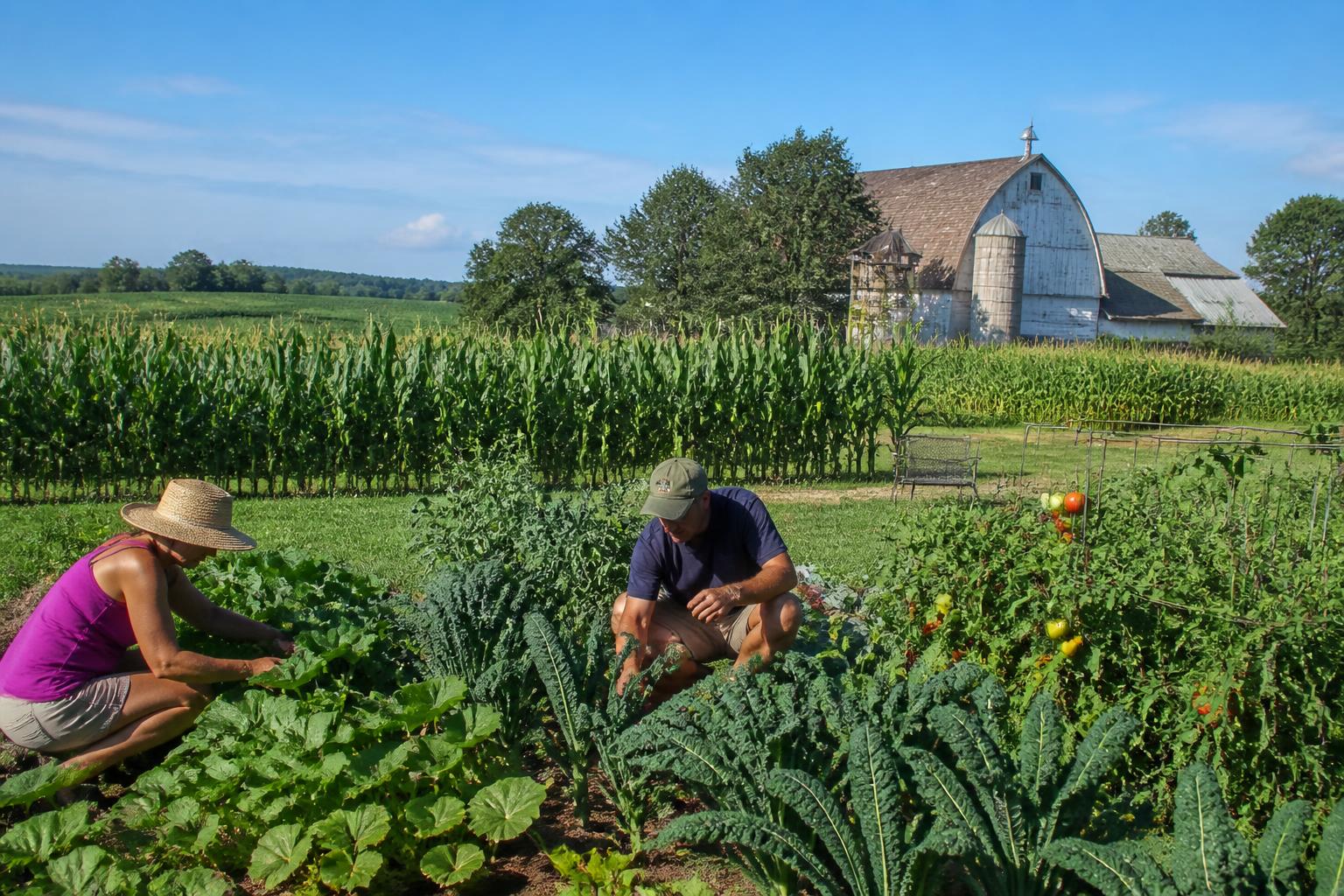
Addressing Field Pressures
As the summer growing season reaches its peak in Wisconsin, agricultural producers are facing a complex landscape of operational hurdles. Reports confirm the first instances of tar spot in the state for the 2026 season, keeping farmers and agronomists on high alert. Early detection and proactive management remain the primary defense for protecting yield potential in the coming months. Beyond disease pressure, persistent challenges with herbicide-resistant weeds continue to complicate traditional crop protection strategies across many regional fields.
Managing Economic and Logistical Realities
Farmers are simultaneously grappling with elevated input costs that have persisted throughout the season. These financial pressures require precise, data-driven decisions at the retail level to ensure that facilities and inputs are utilized efficiently. Amid these constraints, logistics remain a critical focus, particularly as new agricultural maritime export facilities aim to open broader market access for local commodities, potentially easing some of the strain on established transit corridors.
For many across the state, the focus is shifting toward maximizing efficiency in the field. Maintaining healthy crops while controlling expenditures is vital for sustaining profitability in an environment where operational costs have hit historic highs. Effective mid-summer planning is essential as producers look ahead to the harvest window and evaluate their marketing options.
What it means for the market
The convergence of disease management, elevated input costs, and shifting export infrastructure suggests a high-stakes environment for Wisconsin agribusinesses. Successful navigation of these factors will likely depend on strong communication between farmers, input retailers, and logistics providers to maintain steady commodity flow while protecting harvest yields.
Comments
No comments yet - be the first to share your take.