
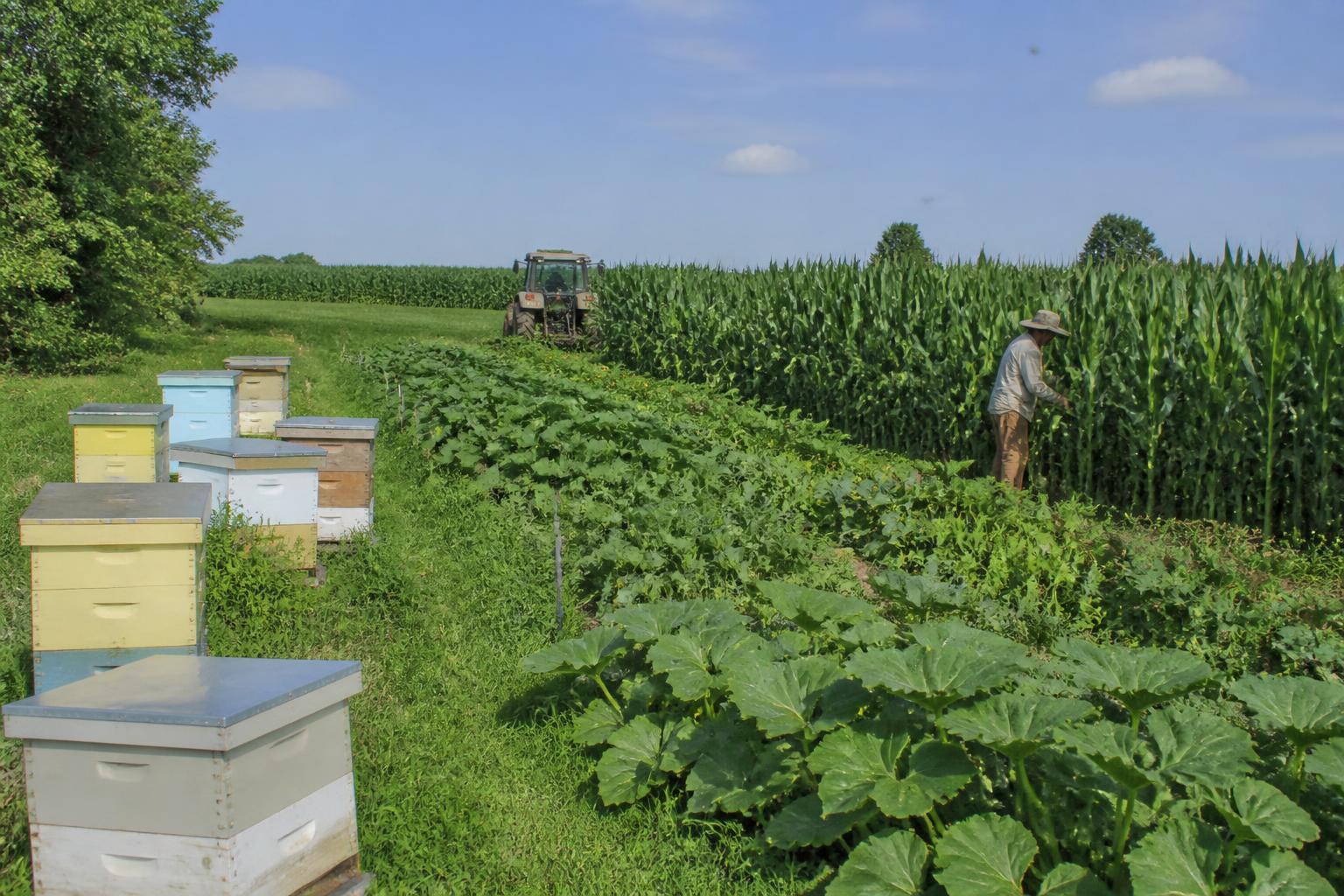
Washington producers are currently navigating a complex summer landscape where environmental factors and evolving administrative policies are forcing a reevaluation of traditional field operations. With persistent high temperatures across many growing regions, farmers are increasingly adapting their harvest timelines and crop protection measures to safeguard yields.
These seasonal pressures, often magnified in the state's diverse agricultural corridors, have led many specialty crop growers to shift their labor and management schedules to mitigate the risks associated with heat-stressed fields. For more on how state operations are balancing these immediate needs against broader industry constraints, see our report on navigating high costs and strategic risk management.
Regulatory and Input Shifts
The agricultural input market is currently in a state of transition. Recent executive actions regarding crop chemicals and regenerative agriculture are beginning to influence how producers plan their upcoming rotations and input purchases. As the industry recalibrates, growers are encouraged to stay informed on how these changes affect local supply chains and farm-level compliance.
Logistics and Market Access
Beyond the field, logistics remain a top concern for Washington's grain and commodity handlers. Maintaining steady market access is critical, especially as regional stakeholders keep a close eye on export competitiveness and the potential for shifts in international trade dynamics. For those managing grain flow, recent patterns highlight the ongoing importance of logistics and cargo protection in ensuring that regional harvests reach key downstream markets efficiently.
What it means for the market
For the remainder of the summer, the focus will remain on climate-resilient farming techniques and the successful navigation of regulatory compliance. Producers and agribusinesses should continue to monitor local environmental data to time their protection applications effectively, while also maintaining flexibility in their transport arrangements as market conditions fluctuate.
Comments
No comments yet - be the first to share your take.