
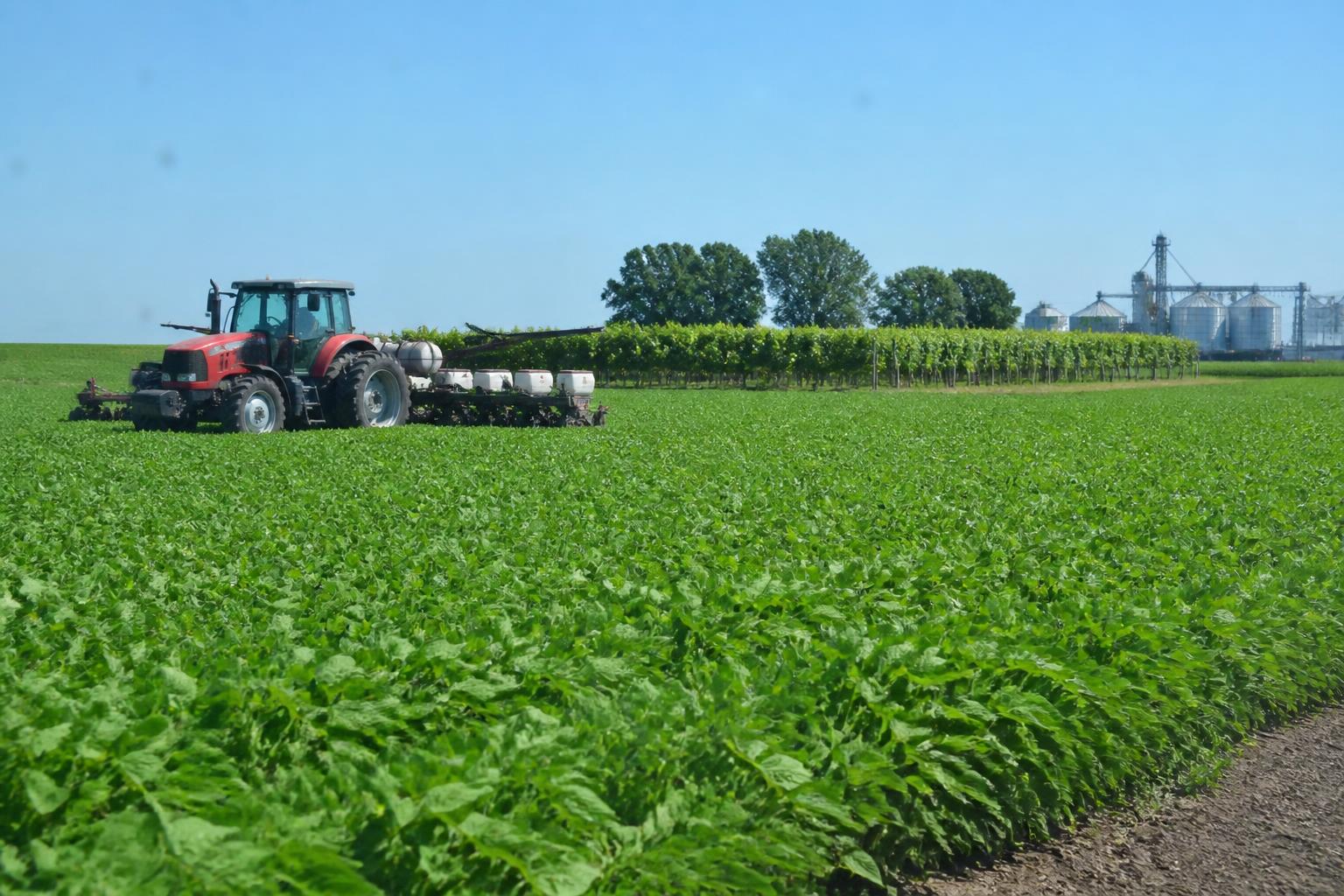
Mid-July finds North Dakota fields in critical stages of growth, requiring producers to maintain focus on late-season crop protection and scouting. As fields transition through peak vegetation, managing weed pressure remains a primary concern for growers aiming to protect yield potential. While the state's diverse landscape presents unique challenges for pest control, regional agronomic efforts continue to emphasize the importance of timely intervention and effective formulation selection.
Adapting to Evolving Field Conditions
For many North Dakota operations, navigating current environmental variables requires a disciplined approach to input management. Recent shifts in the agricultural landscape, including potential labor and supply chain disruptions, have underscored the need for flexibility in how farmers source and apply essential protection products. Whether dealing with persistent herbicide resistance or addressing the specific needs of diverse crop rotations, staying ahead of field requirements is essential for long-term productivity.
As producers manage their weed management strategies in North Dakota, they are often encouraged to consult with local extension services to address emerging resistance concerns. Innovations in formulations continue to reshape the market, offering tools to mitigate pressures that can vary significantly between the Red River Valley and western plains.
Logistics and Market Realities
Beyond the field, North Dakota agribusinesses are watching broader supply chain developments closely. The stability of regional infrastructure, including rail transport and localized grain handling, remains a vital component of the state's economic health. Challenges in national and international logistics impact the movement of agricultural products, creating a ripple effect that touches everything from input availability to final commodity pricing.
Furthermore, farmers are keeping a close eye on global trade dynamics. Fluctuations in international markets, driven by geopolitical concerns and weather-related disruptions, are increasingly reflected in local farm management decisions. Understanding how to leverage these shifts—whether through diversified planting or prudent input purchasing—remains a cornerstone of successful regional agriculture.
What it means for the market
For North Dakota producers and retailers, the remainder of the summer requires a focus on operational agility. As the season progresses, market participants should anticipate that localized input costs and availability may continue to fluctuate based on global shipping constraints and regional demand. Staying informed on both localized field efficacy and broader supply chain trends will be key to managing protection costs effectively through the harvest cycle.
Comments
No comments yet - be the first to share your take.