
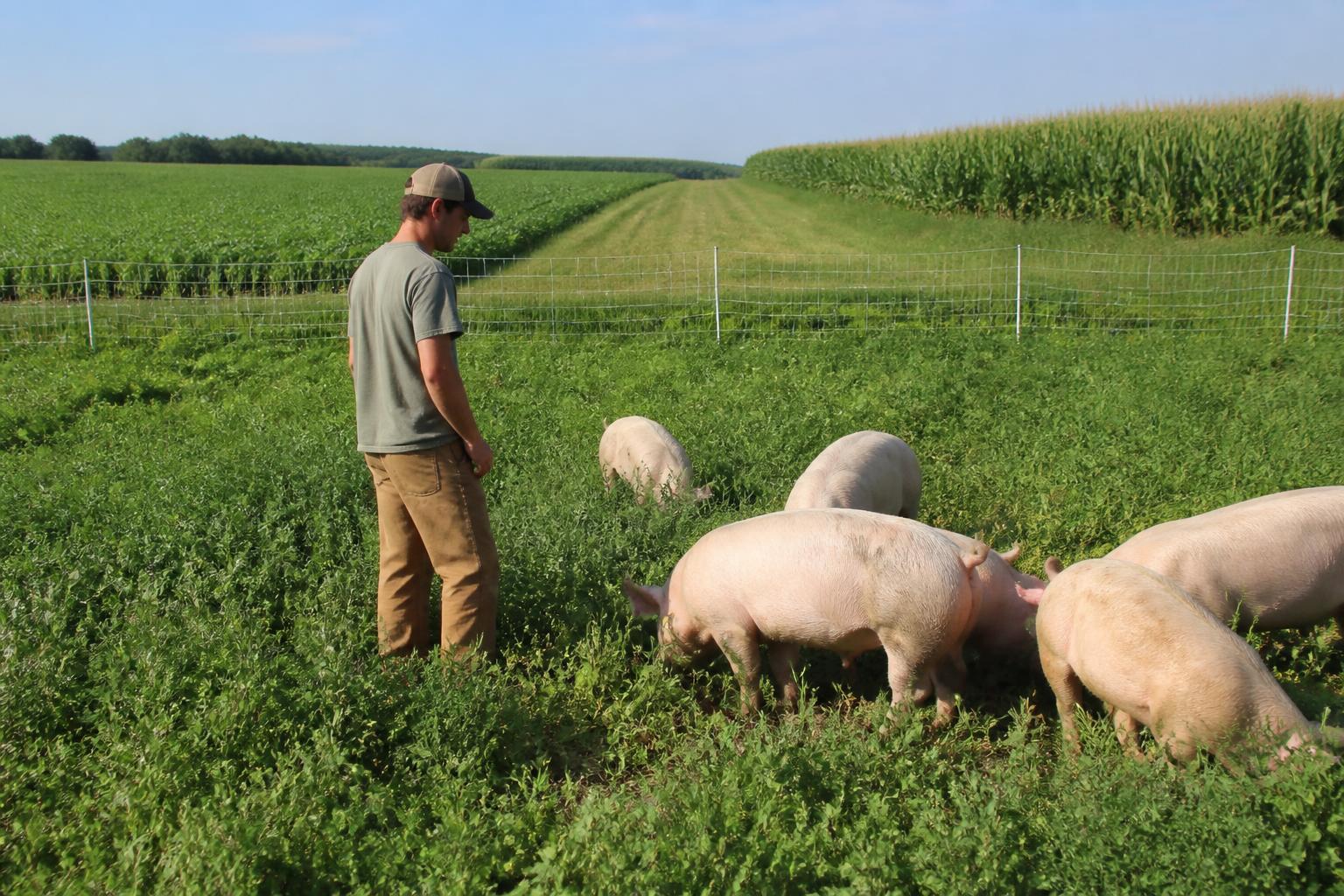
Mid-summer is a critical inflection point for Wisconsin agriculture. As fields move through the heart of the growing season, local grain elevators and logistics providers are balancing current market volatility with the necessary maintenance required to prepare for upcoming harvest cycles. For many, this period involves recalibrating expectations based on recent grain market fluctuations and the logistical realities of moving commodities across the state.
Regional transport corridors, particularly those feeding into major processing hubs, are often subject to seasonal maintenance and shifts in traffic volume during these warmer months. Whether managing bulk feed or preparing for the movement of grains in the fall, logistics managers are increasingly focused on operational efficiency to offset shifting input costs. Strengthening communication between local, independent grain handlers and regional transport networks remains a priority for those looking to optimize their operational reach and logistics strategy.
Harvest Infrastructure Readiness
As the season progresses, the focus for many Wisconsin farmers and agribusinesses is on ensuring that storage capacity and transportation logistics are prepared for harvest inflows. In some regions, this means proactive coordination with trucking fleets to manage regional road weight restrictions or seasonal repairs that can create bottlenecks during peak harvest time. Maintenance of drying systems and grain storage facilities often begins in mid-summer, allowing for a smoother intake process later in the year.
Managing Market Volatility
Market analysts are currently observing careful sentiment regarding corn and soybean pricing as the industry approaches the next major harvest phase. With fluctuations in commodity futures, many producers are exploring diverse marketing strategies to manage their risk exposure. For grain handlers, this requires a nimble approach to cash-grain purchasing and inventory management. Understanding local demand-side dynamics, including the needs of Wisconsin's robust dairy and livestock sectors, provides a buffer against broader global market trends.
What it means for the market
For Wisconsin’s agricultural supply chain, the coming weeks are about positioning. By prioritizing equipment maintenance, monitoring local infrastructure constraints, and keeping a close watch on regional grain basis levels, operators can better navigate the transition into the harvest season. While broader market pressures remain, localized logistics planning is the most effective tool to protect margins and ensure product moves efficiently from field to storage and beyond.
Comments
No comments yet - be the first to share your take.