
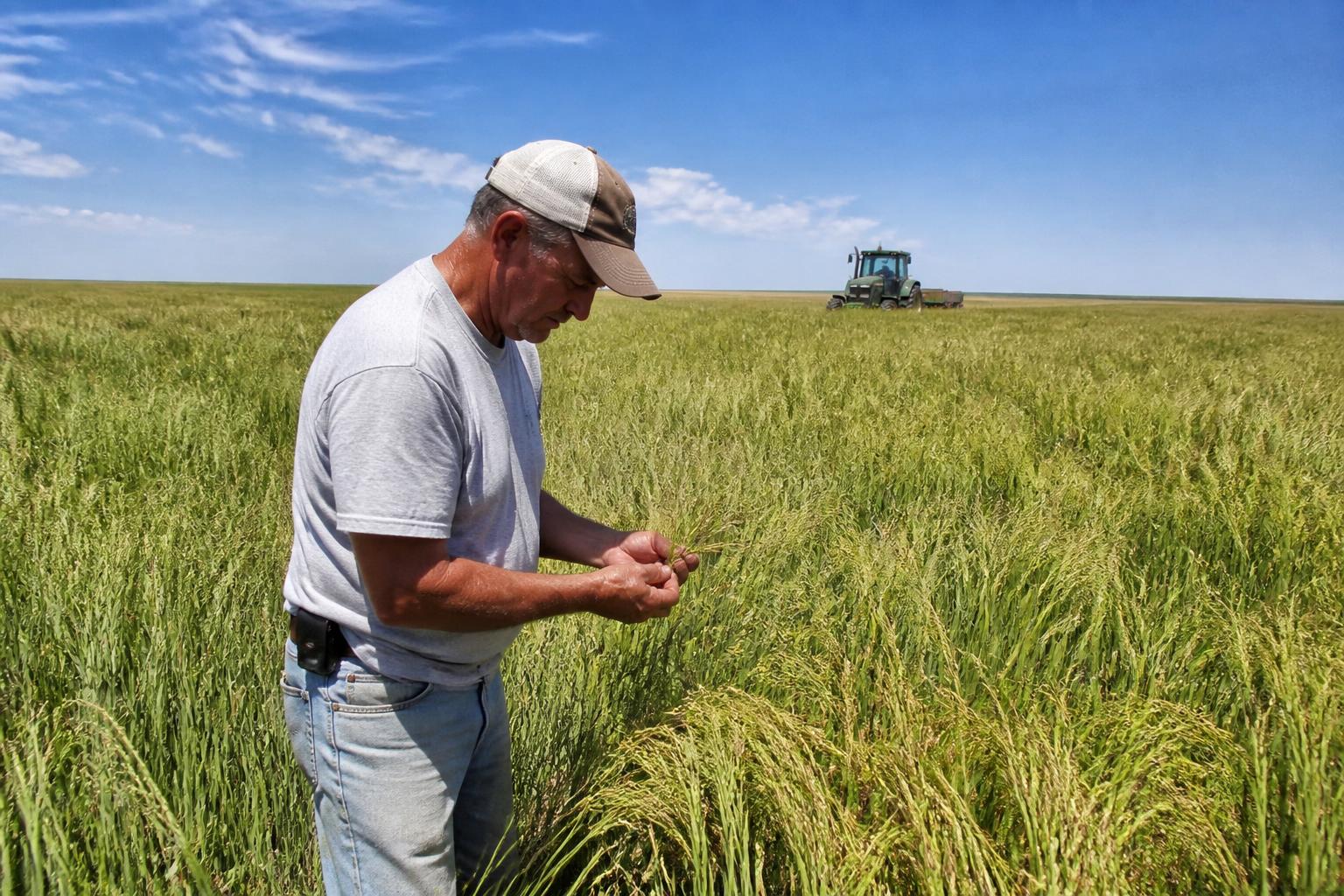
As summer temperatures peak across Nevada, high-desert producers are increasingly focused on refining their crop protection and input management strategies. With water constraints remaining a primary concern in many valleys, the ability to maintain plant vigor through extreme heat is becoming a defining factor for the current growing season. Strategic adjustments in how inputs are applied can often mitigate the stress placed on sensitive crops, ensuring that field performance remains stable despite the challenging climate.
For those managing silages and forage crops, the intersection of nutrient management and plant health is critical. Recent insights into navigating fertilizer logistics and supply security highlight the necessity of having a reliable plan for soil amendments that support resilience. Maintaining soil vitality through proactive crop protection and stewardship can help buffer against heat-induced yield volatility, particularly for producers operating in semi-arid environments where nitrogen efficiency is paramount for sustained growth.
Building Operational Resilience
The regional shift toward precision application and biological support is gaining momentum. Many growers are looking beyond traditional chemical barriers, exploring how biostimulants and targeted protection products can improve water-use efficiency. This approach is particularly relevant as agricultural stakeholders navigate evolving seasonal input and market realities. By focusing on crop vigor early in the development cycle, producers may find better outcomes when mid-summer heat waves inevitably settle over the Great Basin.
Key Takeaways for Producers
- Prioritize early-morning or late-evening application windows to minimize evaporation and heat stress on crops.
- Evaluate the efficacy of new biologicals in supporting plant health under extreme temperature fluctuations.
- Focus on soil moisture retention strategies, as healthy, well-structured soil is the first line of defense against high-desert heat.
What it means for the market: The ongoing focus on resilient production methods in Nevada underscores a broader trend toward long-term land stewardship and input efficiency. For agribusinesses and farmers alike, the ability to adapt to extreme weather—rather than simply reacting to it—is becoming the most valuable asset in the high-desert agricultural toolkit.
Comments
No comments yet - be the first to share your take.