
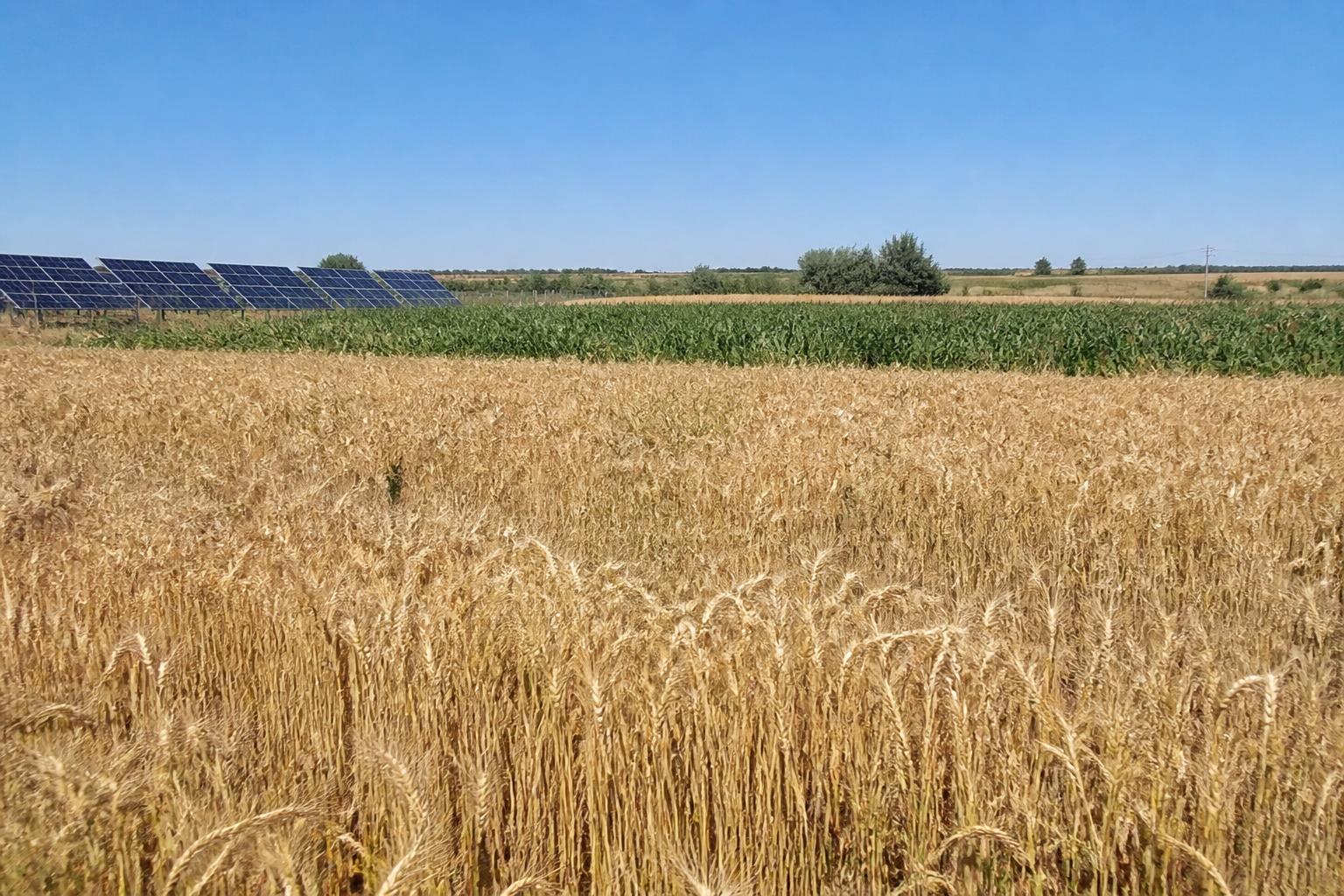
Colorado agriculture is navigating a period of adjustment following significant weather challenges earlier this year. In particular, reported freeze events have impacted portions of the state's wheat crop, forcing growers and cooperatives to re-evaluate output expectations for the current season. This environment of uncertainty underscores the importance of ongoing investments in production research and regional crop resilience initiatives.
Prioritizing Research and Resilience
In response to fluctuating seasonal conditions, organizations such as Colorado Corn are actively committing capital toward production research. These efforts are part of a broader push to stabilize yields despite potential environmental disruptions. For producers, this focus on technical improvement and resource management, such as optimizing nitrogen applications and soil health, remains a critical strategy to hedge against unpredictable climate patterns.
Adapting to Operational Realities
Beyond field-level challenges, the state's agricultural supply chain continues to demonstrate resilience. Recent industrial activity, including the resumption of operations at major processing facilities following labor negotiations, suggests a return to more stable throughput. For regional operators and logistics providers, maintaining a focus on operational efficiency during grain movement is essential to managing the pressures of a complex market landscape.
Innovative Approaches to Specialty Crops
As farmers look to diversify, interest in alternative production models is gaining traction in regions like the Grand Valley. Techniques such as vitivoltaics offer potential avenues for specialty crop protection, balancing land utility with the need to safeguard sensitive yields from environmental stressors. These advancements are increasingly relevant as the state looks toward long-term sustainability goals, aligning with ongoing efforts to protect critical resources like native pollinators.
What it means for the market
The convergence of climate-related production losses and shifting institutional support for sustainable research suggests that Colorado’s agricultural sector is moving toward a more data-driven, resilient model. For stakeholders, the current focus is on mitigating risk through improved input efficiency and careful monitoring of logistical bottlenecks. Continued investment in localized research will likely remain a hallmark of the state's strategy to bolster farm profitability amidst broader industry volatility.
Comments
No comments yet - be the first to share your take.