
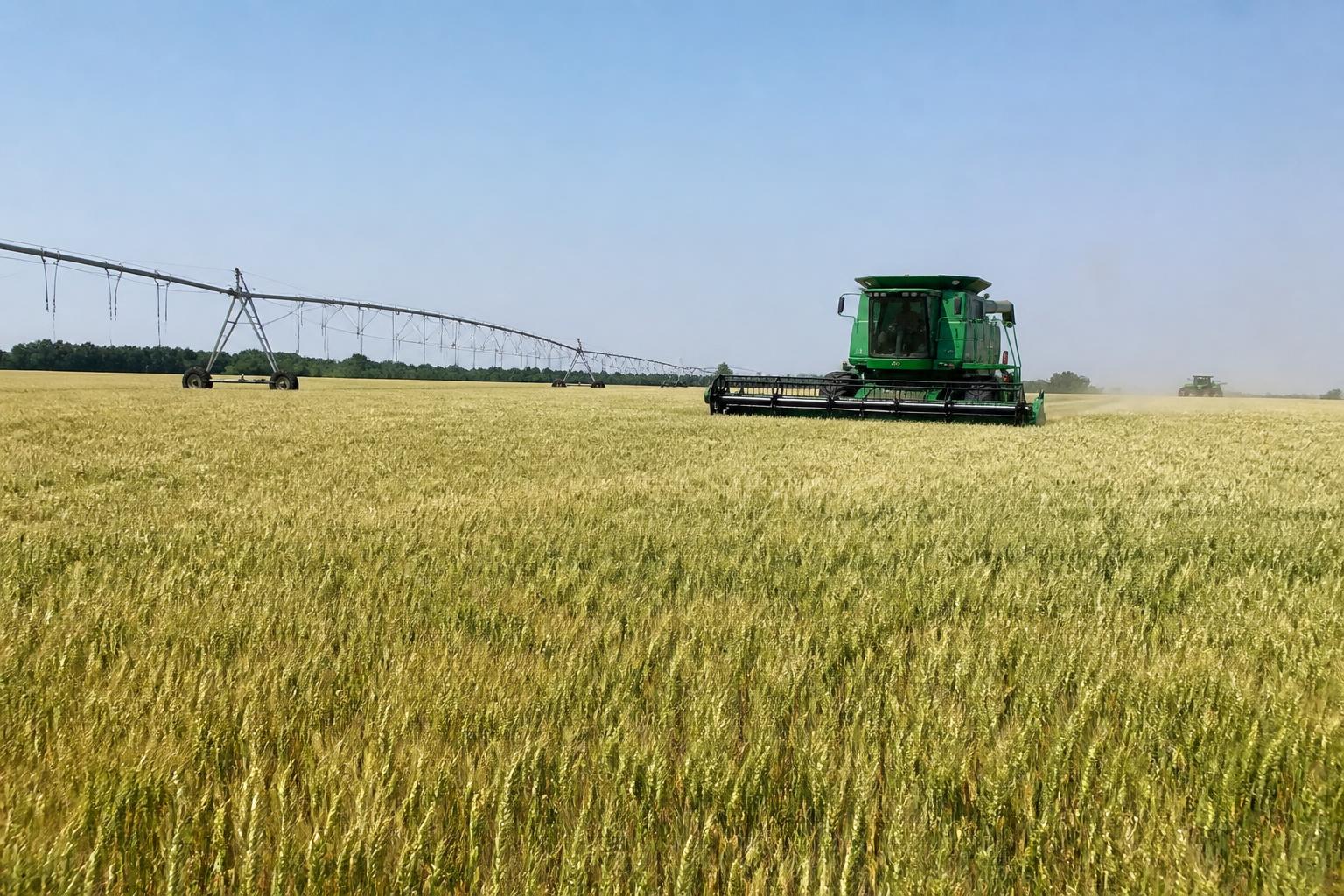
Irrigation Management During Summer Peaks
As summer temperatures continue to climb across the Arkansas Delta, managing water resources has become a primary concern for growers. With recent reports highlighting the creeping effects of drought even in irrigated fields, many producers are intensifying their focus on water efficiency. Innovations in irrigation technology continue to play a critical role, as seen in ongoing efforts to recognize and reward local conservation milestones. Ensuring that these systems operate at peak efficiency is vital for maintaining yield potential during this sensitive stage of crop development.
Navigating Economic and Market Headwinds
The current agricultural climate remains complex, with producers balancing rising input costs against broader market uncertainties. As farmers finalize management strategies for the remainder of the season, the emphasis has shifted toward disciplined decision-making. Strategic navigation of these mid-season variables is essential, particularly when assessing how global market trends and national policies might impact bottom lines. Financial management, alongside prudent grain marketing, remains a top priority for agribusinesses and individual operations alike.
Operational Efficiency in the Field
Efficiency gains are being pursued not only through water management but also through refined land preparation techniques. Some Arkansas producers are experimenting with narrow windrow burning to manage residue and field health, signaling a broader push to optimize operations despite thinner margins. Staying informed on regional crop progress and adapting to local conditions—from soil moisture levels to proximity-based logistical challenges—continues to be the standard for resilience in the Arkansas ag sector.
What it means for the market
For grain handlers and input suppliers, the mid-summer window underscores a need for agility. As farmers focus on protecting yield, demand for irrigation support and protective inputs is expected to stay steady. Meanwhile, market participants should remain prepared for shifts in sentiment driven by both local crop health and wider economic pressures that continue to challenge the financial sustainability of the sector.
Comments
No comments yet - be the first to share your take.