
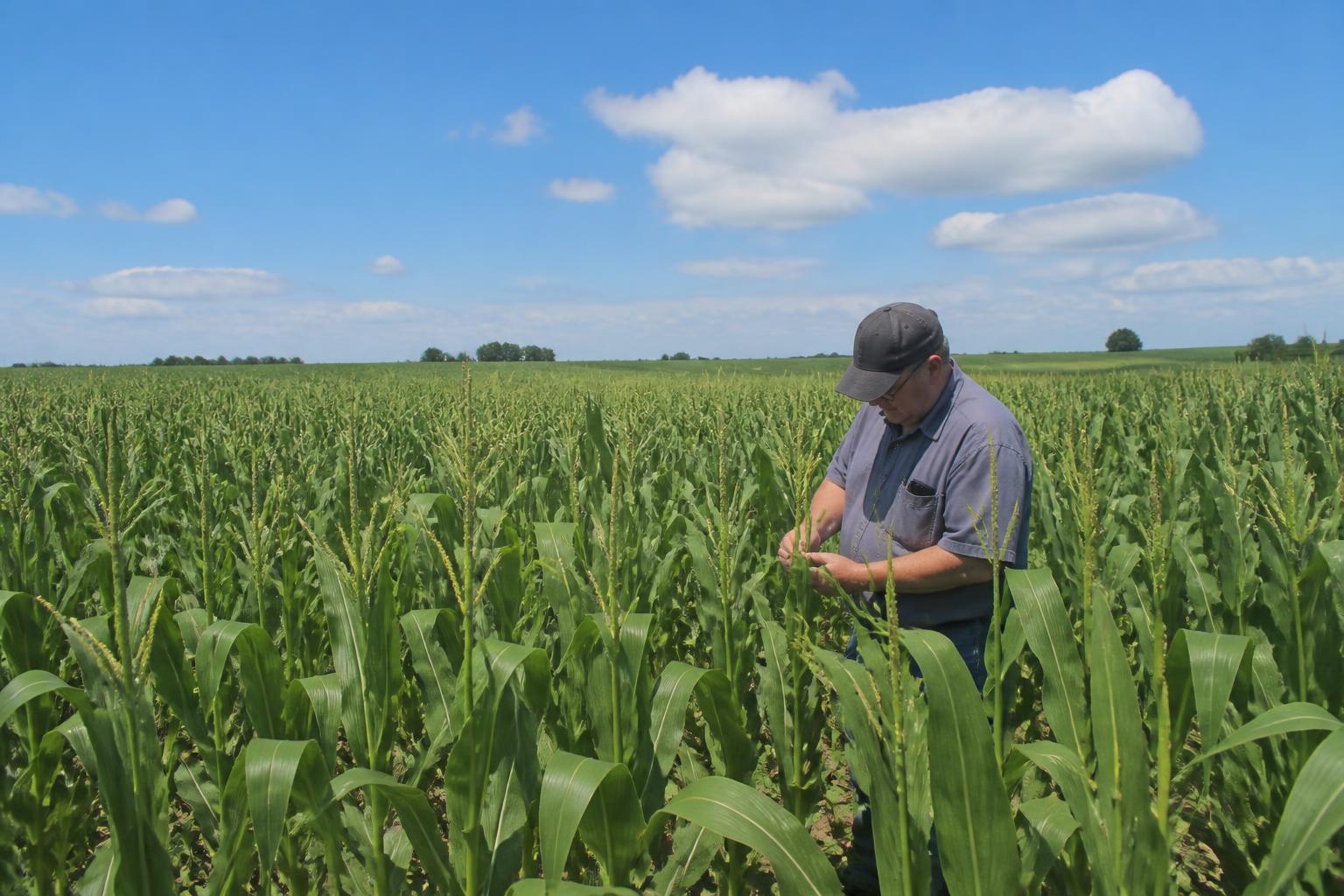
As the Iowa crop season advances through July, the pace of field activity is beginning to shape logistics demand across the state. Producers are closely monitoring crop development, particularly as corn enters critical stages and producers keep a watchful eye on potential stressors like tar spot, which has already been identified in several counties across the region. For grain handlers and carriers, this transition period typically signals the need to finalize preparations for upcoming storage and transport requirements.
Efficient logistics and grain management remain top of mind for Iowa agribusinesses during this phase of the season. With harvest activity often picking up speed as conditions allow, maintaining smooth flows from the combine to the elevator can be influenced by local road conditions, weight restrictions, and the availability of specialized transport equipment. Regional grain elevators are often busy evaluating their capacity and staffing as they anticipate the shift from mid-summer maintenance to peak handling volume.
Managing Field Risks and Infrastructure
The spread of disease pressure in corn stands as a reminder of the volatility inherent in the production cycle. For farmers, this underscores the importance of proactive field scouting and rapid response to maintain yields. Simultaneously, on the supply side, stakeholders continue to watch inputs and operational costs closely. While global factors weigh heavily on the broader agricultural economy, local producers are focusing on the tangible, immediate task of safeguarding crop health and optimizing harvest-time workflows to minimize downtime.
What it means for the market
For the Iowa market, the interplay between crop health and logistics readiness will determine the ease of the harvest season. As corn and soybean maturity advances, producers who have already solidified their haulage plans and storage capacity will likely be better positioned to navigate potential bottlenecks. Carriers should expect steady demand as harvest timelines align with regional weather patterns, making communication between growers and local elevators critical to maintaining market efficiency through the late summer and early fall.
Comments
No comments yet - be the first to share your take.