
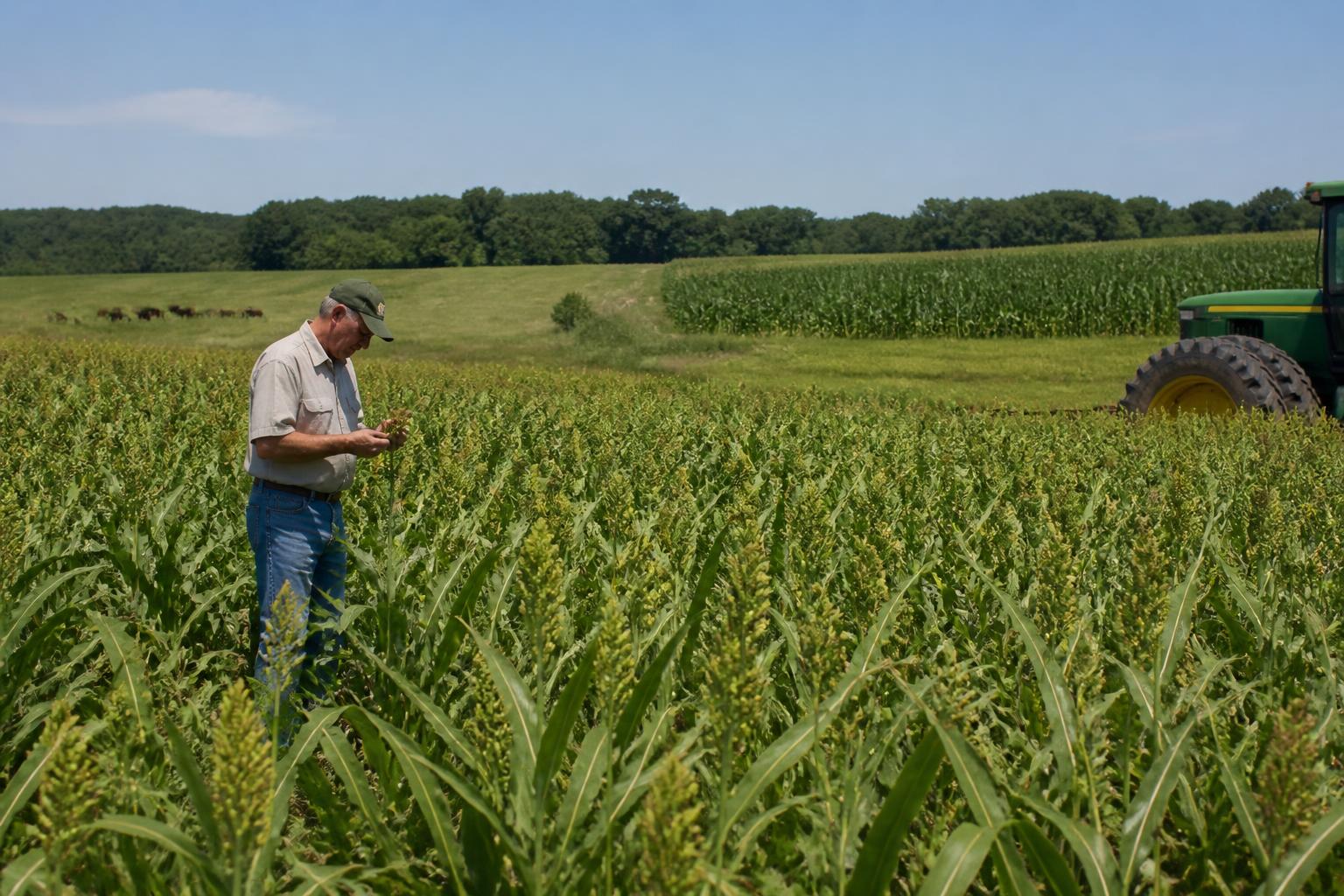
Mid-summer in Missouri brings critical windows for crop protection applications. As local growers manage field pressures in regions like the Bootheel and along the Missouri River corridors, maintaining compliance with labeling requirements remains a top-tier operational priority. Recent industry activity underscores the reality that off-label use of herbicides carries heavy financial risk for operators, making precision in application more important than ever to protect both yield potential and farm equity.
The Cost of Non-Compliance
State enforcement regarding drift and labeling violations serves as a stern reminder of the regulatory landscape governing modern agriculture. Beyond the immediate risk of fines, instances of off-label application can strain relationships with neighboring operations and trigger increased scrutiny on local farming practices. For agribusinesses and producers alike, the focus has shifted toward robust documentation and strict adherence to label guidelines, particularly as summer conditions can sometimes alter the physical behavior of products applied to dense crop canopies.
Managing Risk Through Best Practices
Farmers are increasingly looking at integrated field management strategies that prioritize both efficacy and regulatory safety. This includes monitoring weather conditions closer to application windows and ensuring that equipment calibration is optimized to minimize drift potential. While technology continues to improve, the human element—training staff and verifying label instructions before every tank mix—remains the first line of defense against costly regulatory actions.
The Broader View
The commitment to responsible stewardship is also a response to the growing public and corporate interest in supply chain transparency. As food companies and processors face their own pressures to verify sustainable sourcing, Missouri farmers who demonstrate rigorous adherence to protection protocols find themselves better positioned in the long term. Balancing these technical mandates with the day-to-day challenges of peak summer logistics requires proactive planning and a culture of compliance that starts at the loading dock.
What it means for the market
For the Missouri market, this tightening regulatory environment suggests that input providers and application service companies will see increased demand for advisory services. Expect a continued emphasis on documentation, which may increase the administrative burden on farms but ultimately stabilizes the market by reducing the volatility caused by legal disputes and environmental setbacks. Prioritizing compliance today acts as a buffer against potential disruptions to the state's agricultural supply chain as the harvest season approaches.
Comments
No comments yet - be the first to share your take.