
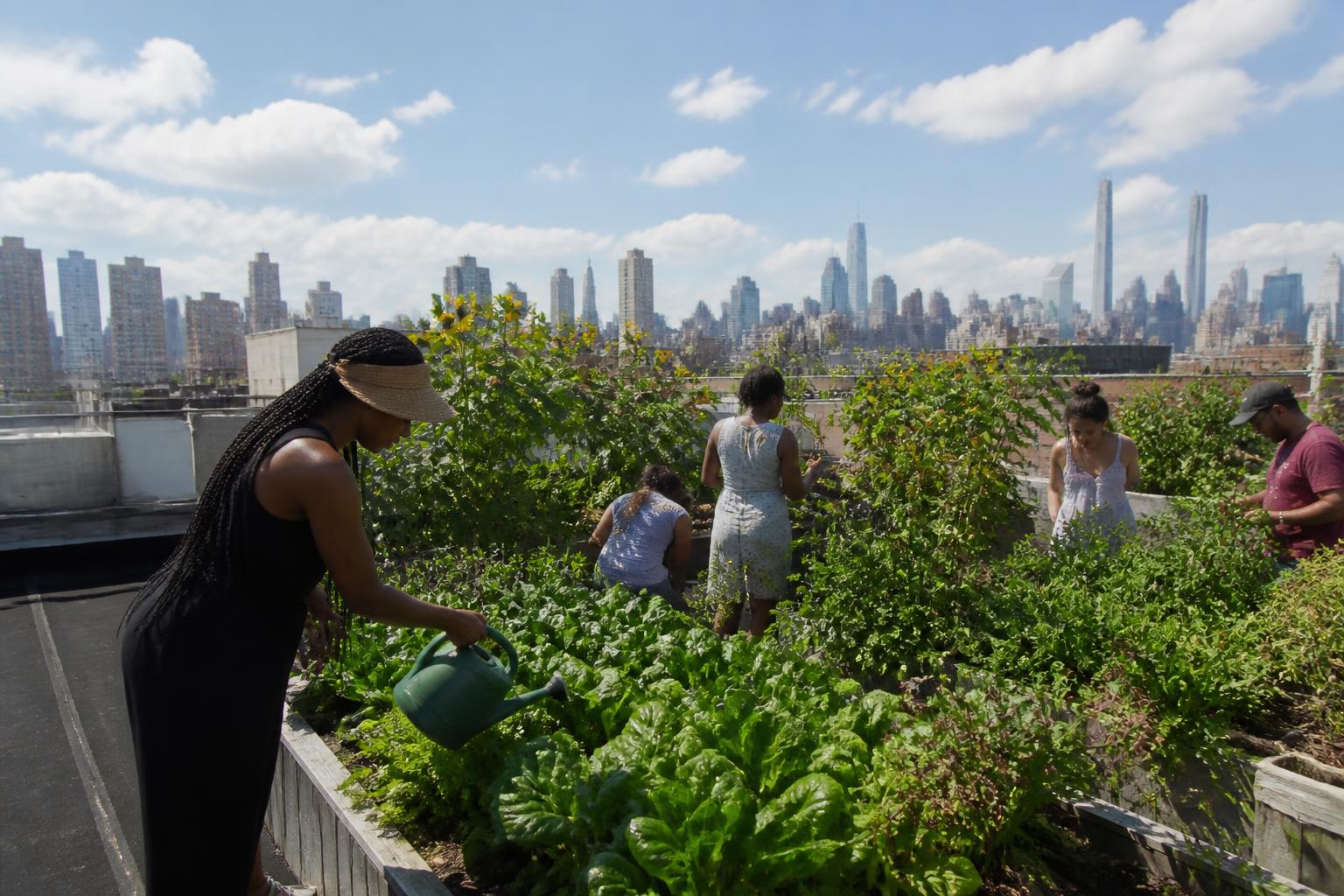
Mid-July in New York finds the state’s agricultural regions, from the Hudson Valley to the western lake plains, in a critical phase of crop development. With the current summer heat, maintaining plant health requires a sharp focus on integrated pest management and proactive input strategies. As growers monitor their fields for disease and insect pressure, the complexity of managing crop health remains a primary concern for the state’s farm owners.
Successfully managing crop inputs amidst market volatility is increasingly about precision. While many producers are fine-tuning their nitrogen applications or scouting for late-season pests, the broader supply chain environment continues to influence operational decisions. Tightened market conditions often require farmers to be more intentional with their procurement, prioritizing high-efficiency biologicals and traditional protectants that provide the best return on investment during these high-growth weeks.
Navigating Land and Resource Pressures
Beyond immediate crop protection, New York’s agricultural landscape is evolving. Competition for land, including interest from the solar industry, is forcing a re-evaluation of long-term field management. For many family-run operations, this means maximizing the output of every available acre while keeping an eye on local policies that may impact future planting cycles. Staying informed on strategies for navigating input costs remains essential for maintaining profitability in an increasingly contested land market.
Looking Ahead to Harvest
As we move deeper into the summer, the focus will soon shift from protection to harvest logistics. Early signs from small grain development suggest that consistent field monitoring now will pay dividends when it is time to fill the bins. Ensuring that storage capacity is ready and that input procurement remains flexible will be critical for growers as they prepare for the late-summer and early-fall harvest windows.
What it means for the market: For New York producers, the current market climate rewards those who prioritize efficient, data-driven input application. Balancing the immediate needs of your crops with the long-term outlook for land availability and supply chain reliability is key to a successful, resilient season.
Comments
No comments yet - be the first to share your take.