
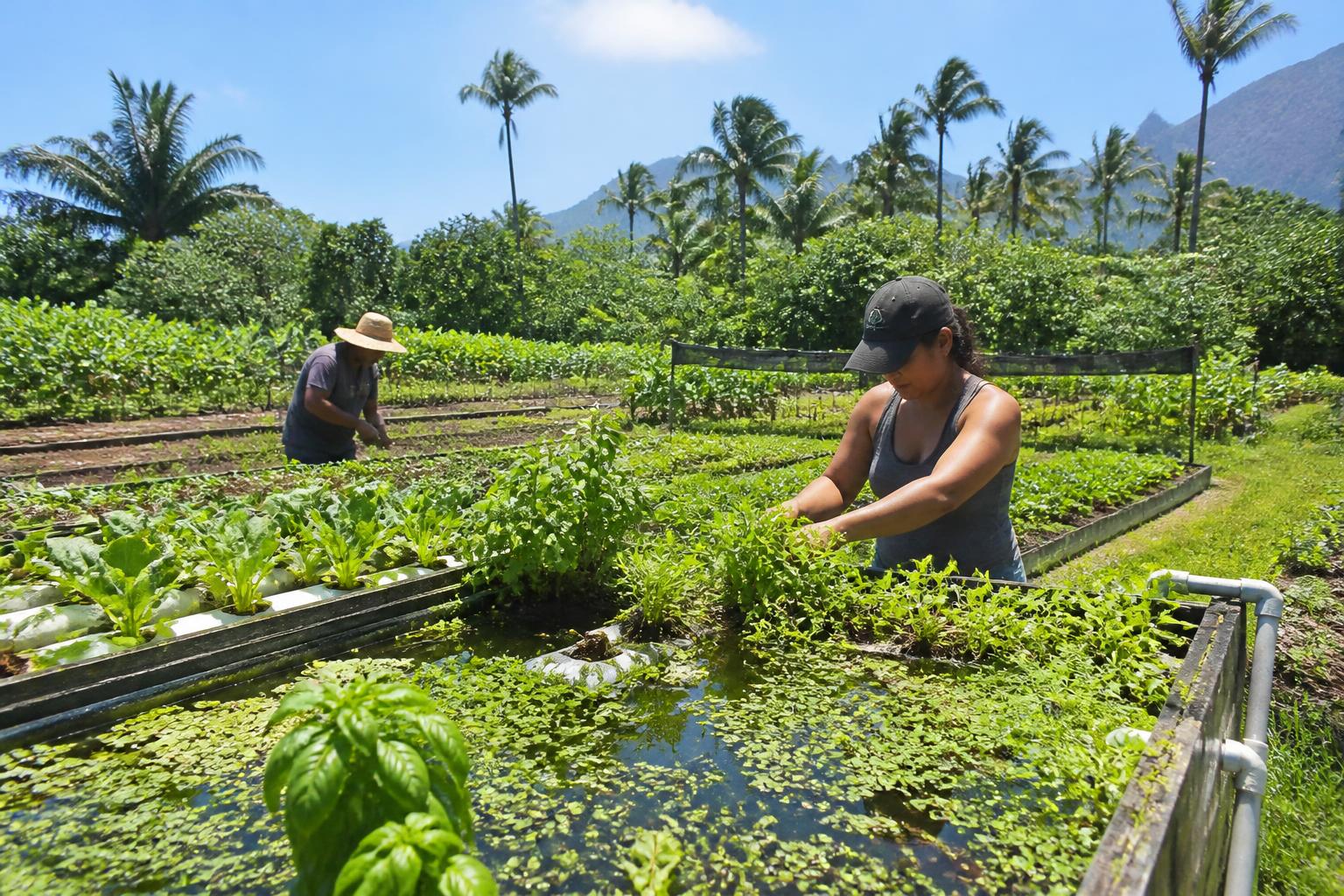
Hawaii farmers are currently operating within a complex environment where regulatory changes and environmental stressors frequently intersect. As the islands navigate the impact of legislative decisions regarding land use and chemical applications, growers are increasingly looking toward sustainable alternatives to traditional pest and disease management. The ongoing focus on Hawaii's regional logistics and supply chain stability remains a primary factor for producers managing input costs and product distribution.
Adapting to Restricted Input Environments
The state has taken a pioneering role in national pesticide regulation, notably through the restricted use of certain chemicals like chlorpyrifos. This shifts the focus toward integrated pest management (IPM) strategies and the adoption of novel technologies to protect high-value crops. For operations dealing with persistent issues like coffee leaf rust, emergency exemptions for specialized fungicides have provided temporary relief, yet the long-term trend points clearly toward a need for biological and precision-based interventions.
Building Resilience in a Variable Climate
Seasonal weather variability often challenges the islands, with intense precipitation events sometimes disrupting farm productivity and local food supply chains. Beyond weather, farmers are balancing the encroachment of urban development on prime agricultural land, which complicates long-term planning for many small-to-mid-sized operations. Whether exploring departmental policy adjustments or experimenting with aquaponics and other controlled-environment systems, the goal remains the same: maintaining consistent yields while complying with evolving safety standards.
Key Takeaways
- Regulatory shifts in Hawaii continue to lead national trends in pesticide bans, necessitating early adoption of alternative management practices.
- Supply chain logistics remain sensitive to both climate-related disruptions and broader shifts in regional agricultural policy.
- Integrated approaches, from digital monitoring tools to biological inputs, are becoming essential for maintaining market-ready output.
What it means for the market: For agribusinesses and producers in Hawaii, the focus is shifting from traditional chemical reliance to a more diversified, technology-supported model of protection. Adapting early to these regulatory and environmental shifts will likely provide a competitive edge in maintaining stable yields and meeting the specific demands of local island markets.
Comments
No comments yet - be the first to share your take.