
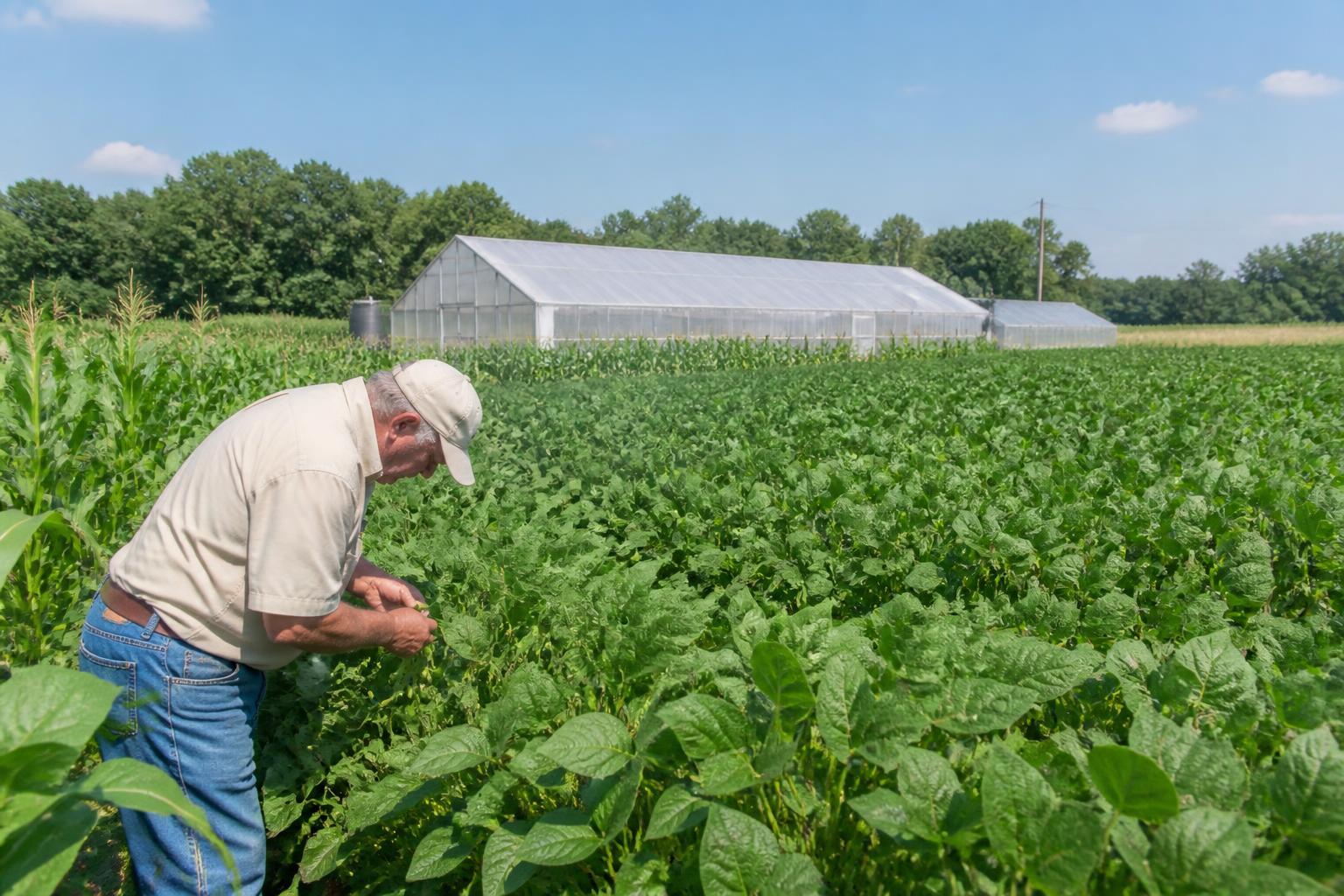
Mid-summer in Kentucky brings a critical window for crop protection, as local fields transition through pivotal growth stages. With the recent confirmation of tar spot cases across the state, agricultural producers are increasingly focused on scouting protocols and the strategic application of fungicides. Monitoring foliage for early warning signs is essential, as environmental conditions in some regions have created favorable windows for pathogen development.
Adapting Protection Strategies
Managing the intersection of crop health and input efficiency is a priority for many Kentucky operators this season. Whether producers are working with corn, soybeans, or tobacco, the goal remains to protect yield potential while managing costs effectively. Integrating standard scouting practices with a clear understanding of field-specific history can often help avoid unnecessary applications or mistimed interventions.
Long-Term Soil and Crop Health
Beyond immediate pest control, many Kentucky growers are looking at long-term resilience as a form of protection. Research into cover crops, such as ryegrass, continues to gain interest for its potential to improve soil structure and water infiltration by penetrating challenging fragipan layers. This focus on underlying soil health is increasingly viewed as a secondary defense mechanism that can bolster a crop's ability to withstand mid-summer heat and moisture variability.
What it means for the market
For agribusinesses and input suppliers, the mid-summer phase is a high-stakes period. Demand for localized protection products remains steady as growers react to field conditions. Ensuring that both application equipment and technical guidance are readily available will be vital for supporting farmers through this intensive window. Those who maintain agility in their supply chains and provide transparent, data-driven advice are best positioned to serve the evolving needs of Kentucky producers as the season reaches its zenith.
Comments
No comments yet - be the first to share your take.