
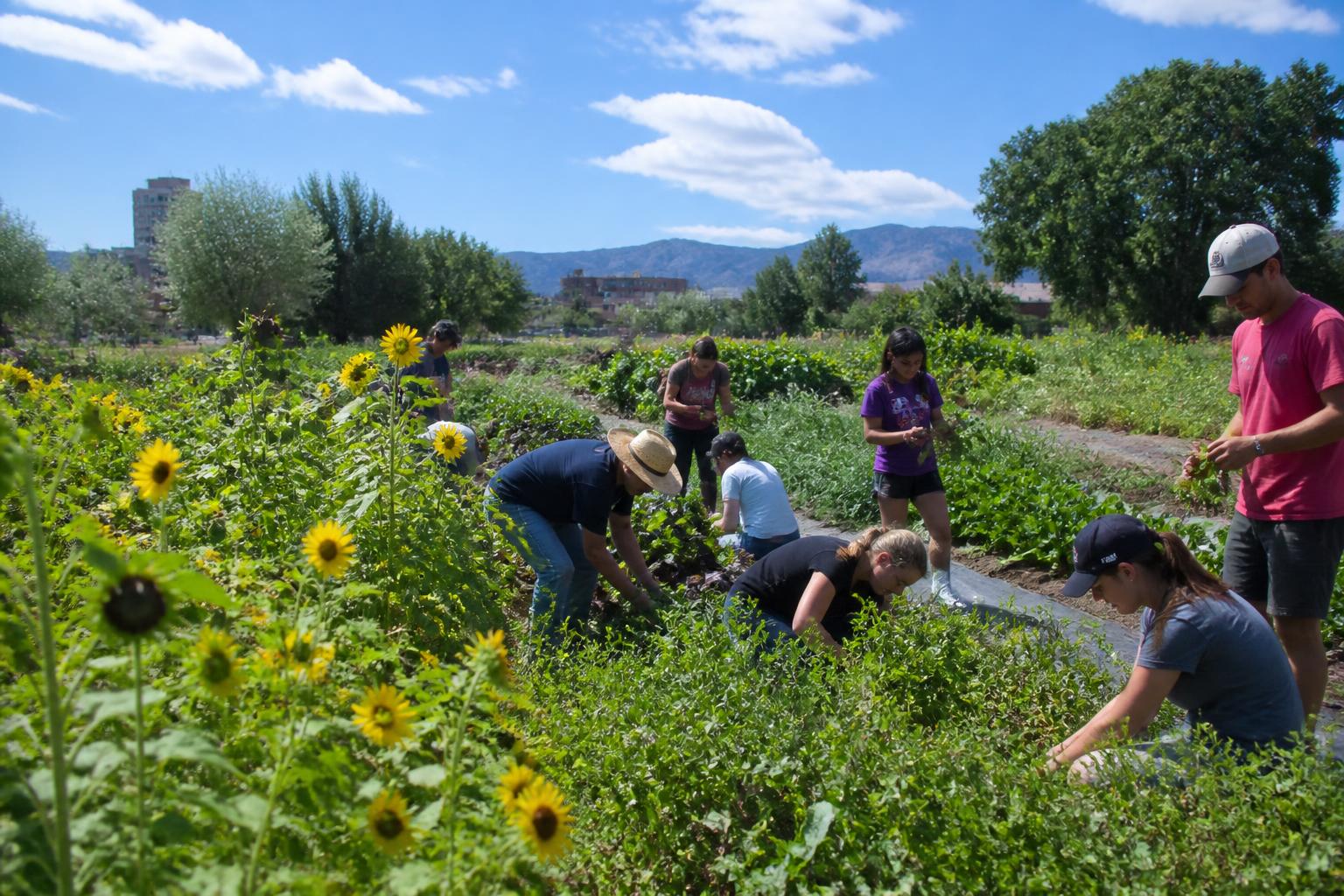
In the high-desert climate of Nevada, mid-summer operations demand a rigorous approach to crop protection. As seasonal heat stresses traditional irrigation and plant health, producers across the state are increasingly looking toward drought-tolerant cultivars and precision application methods to safeguard their fields. Effective crop protection under intense heat is often the deciding factor in maintaining long-term sustainability for high-desert operations.
Educational initiatives from institutions like the University of Nevada, Reno continue to provide hands-on training that emphasizes these specialized protection strategies. By integrating modern research into day-to-day farm management, growers can better mitigate the risks posed by extreme temperatures. For those managing soil health and nutrient inputs, aligning fertilizer logistics and supply security with current climate models remains a critical priority for maintaining operational efficiency throughout the summer months.
Adapting to High-Desert Environmental Pressures
The unique agricultural landscape of Nevada requires a departure from standard temperate zone practices. With water scarcity remaining a constant variable, the industry is seeing a shift toward crops that require less intensive input cycles. Research into drought-resistant alternatives, such as cactus pear for sustainable fuel and food sources, reflects a broader trend of agricultural diversification in the region. Producers who successfully pivot to these niche markets often find more stability in challenging climatic conditions.
Building Resilient Local Supply Chains
Beyond field-level protection, the ability to process and distribute local products remains vital. The reopening of facilities like Wolf Pack Meats highlights the effort to strengthen local supply chain infrastructure. By reducing the reliance on long-haul logistics for processing, Nevada farmers can maintain greater control over product quality and market delivery, effectively insulating their businesses from wider distribution bottlenecks.
What it means for the market
For Nevada producers, the takeaway is clear: success in this environment relies on a combination of climate-smart crop selection and optimized resource management. As global equipment manufacturers continue to adjust their strategies to meet the demand for more resilient farm technology, local growers who adopt these tools early will be better positioned to navigate the seasonal volatility inherent in high-desert agriculture.
Comments
No comments yet - be the first to share your take.