
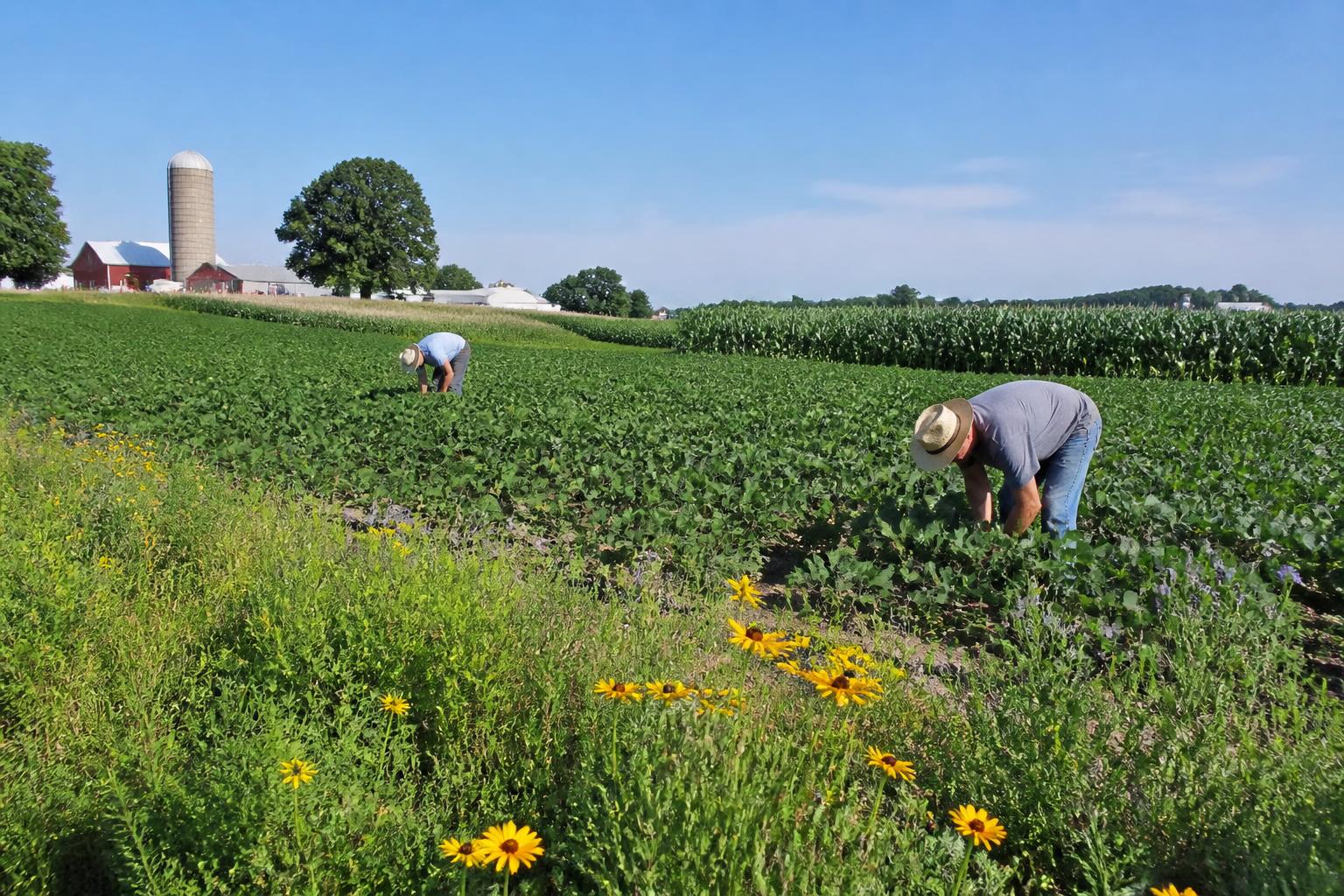
Mid-July marks a critical juncture for Alaskan producers, as the long daylight hours drive rapid crop development across the state's diverse agricultural regions. From the Matanuska-Susitna Valley to the Interior, farmers are currently navigating the peak of the growing season, where consistent monitoring for pest pressure and disease management becomes the primary focus for securing seasonal yields.
Efficient management in high-latitude environments requires a nuanced approach to optimizing crop protection strategies, particularly as temperatures fluctuate and humidity levels change in sensitive vegetable starts and grain plots. Producers are increasingly looking toward integrated pest management (IPM) practices to ensure that equity in their operations remains protected while addressing localized environmental stressors.
Managing Input Efficiency
The market for specialized crop protection chemicals continues to evolve, with an emphasis on high-growth opportunities that cater to the unique needs of northern-latitude farming. For many Alaskan agribusinesses, the goal is to balance the immediate need for effective intervention with long-term soil health. This often involves selecting inputs that provide targeted relief without compromising the integrity of organic or specialized production systems that are vital to the state's identity.
Logistics and Field Application
Field access during this period requires careful planning, as equipment movement and application windows must align with both weather patterns and the rapid physiological shifts of the crops. Producers are reminded that early detection remains the most cost-effective tool in the kit. With the season's peak moving quickly, ensuring that storage and inventory of necessary inputs are stabilized can help prevent delays that occur when supply chains are pressured by regional demand spikes.
What it means for the market
For grain handlers and local suppliers, the next several weeks will be defined by the success of crop protection efforts. A successful season not only bolsters producer equity but also supports the continued growth of local supply chains. As we move through the heart of summer, operators who prioritize proactive monitoring and timely applications are best positioned to maintain the high quality expected in Alaska’s harvest.
Comments
No comments yet - be the first to share your take.