
Adapting to Seasonal Infrastructure Pressures
As summer field operations advance across North Dakota, agricultural stakeholders are increasingly focused on the logistical challenges inherent in the state's transport corridors. With seasonal traffic patterns intensifying, maintaining efficient supply chains is a recurring priority for producers, grain handlers, and input buyers. The challenge of moving commodities efficiently through North Dakota requires a careful balance between existing elevator capacity and the flexibility to manage on-farm storage during peak periods.
Tactical Storage and Transport Efficiency
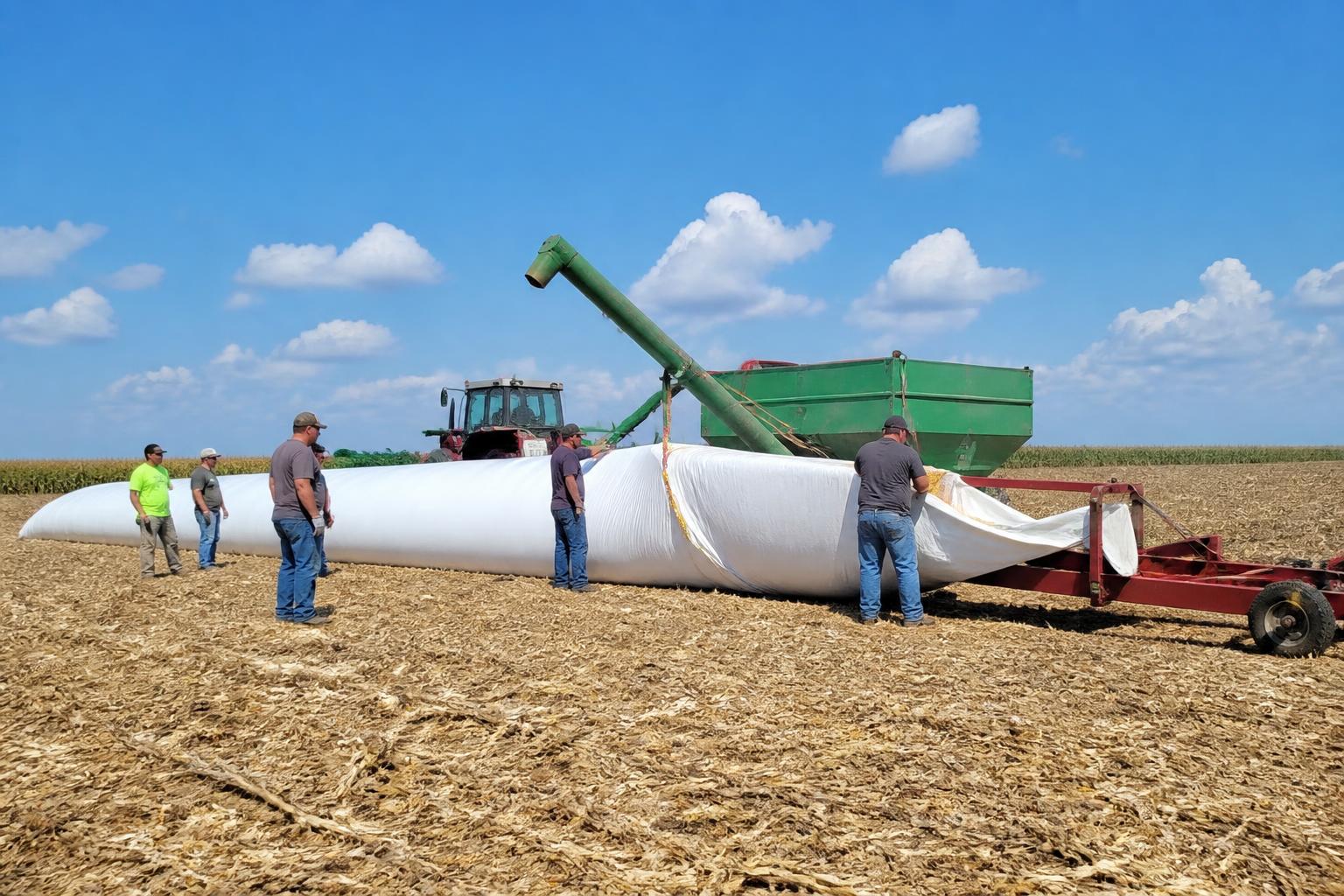
To navigate potential bottlenecks as the harvest season approaches, many operators are re-evaluating their on-farm handling capabilities. Utilizing temporary storage solutions, such as grain bagging technology, can serve as a practical buffer when local elevator throughput is constrained. This strategy allows farmers to keep combines moving when commercial infrastructure reaches capacity, helping to maintain harvest momentum even during periods of heavy seasonal volume.
Regional stakeholders are also monitoring how transportation cost trends impact regional profitability. With logistics costs often fluctuating in response to fuel and labor pressures, agricultural businesses are finding that pro-active route planning and diversified transport strategies are essential to preserving margins. Engaging with local grain marketing tools remains a foundational step for those looking to hedge against these shifting operational costs.
What it means for the market
The convergence of peak seasonal demand and logistical limitations necessitates a forward-thinking approach to inventory management. For North Dakota agribusinesses, success this season will likely depend on the ability to remain agile, leveraging both temporary storage to alleviate pressure on the primary supply chain and data-driven marketing to navigate market volatility.
Comments
No comments yet - be the first to share your take.