
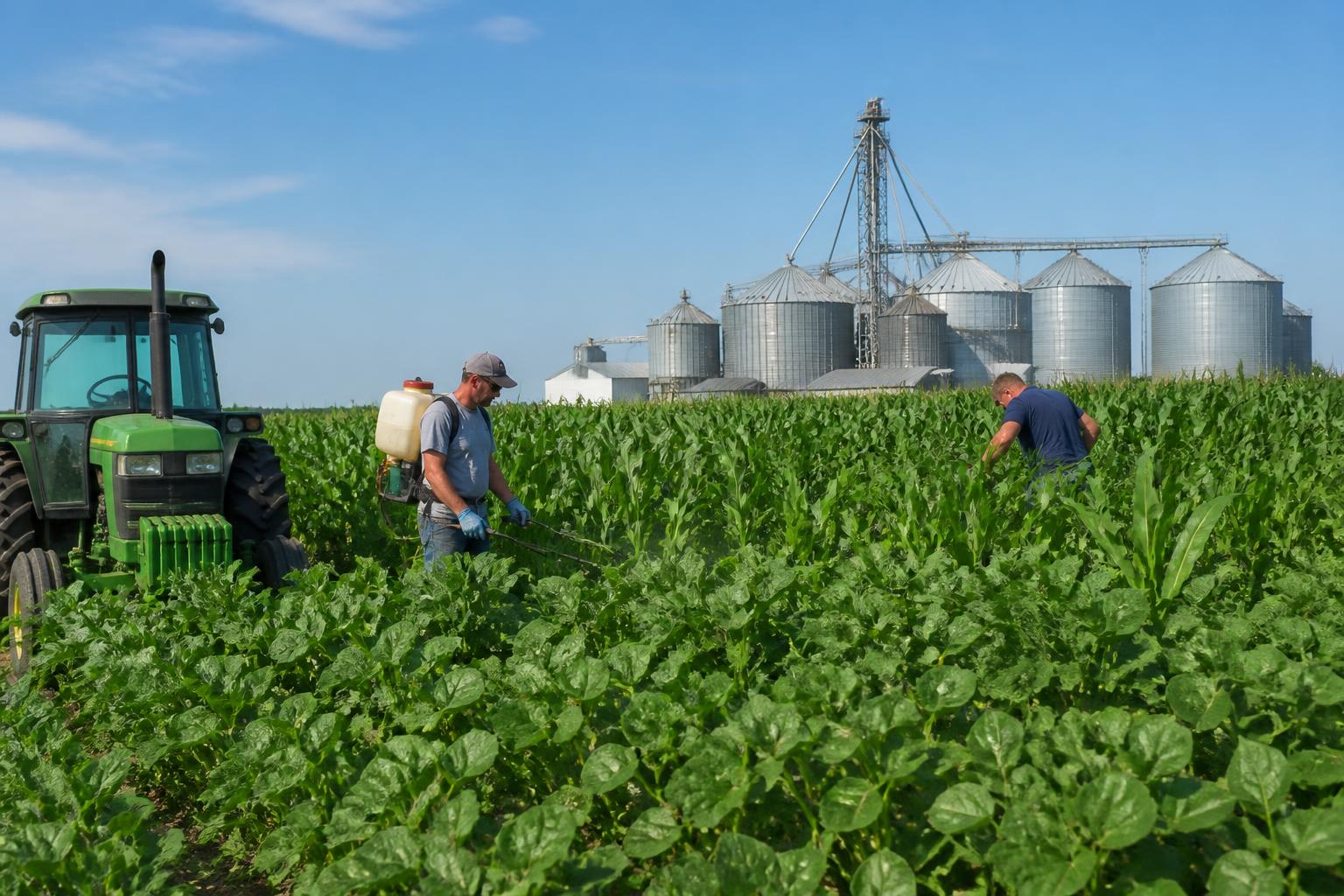
Washington producers, particularly in the productive Columbia Basin, are seeing fresh investment aimed at stabilizing the regional input market. The recent federal award of nearly $2.6 million to a fertilizer facility in Othello underscores a broader strategic push to fortify domestic agricultural capacity. For growers managing their bottom lines, this development in the heart of Washington's ag sector, which has been under significant pressure from rising operational costs, may provide a much-needed long-term cushion against volatility in global fertilizer supply chains.
Investing in Local Resilience
As the summer season progresses, the focus for many agribusinesses shifts from initial planting to optimizing yields and managing variable input requirements. Ensuring reliable access to high-quality nutrients is essential for maintaining crop health across the state's diverse growing regions. The investment in Othello is part of a wider effort to localize the supply of critical inputs, which can help mitigate the risks often associated with long-distance logistics and fluctuations in international trade.
Navigating Market and Operational Risks
The agricultural landscape remains complex, with ongoing logistics bottlenecks in grain movement often compounding the stress of rising overhead. While federal initiatives aimed at local infrastructure are intended to offer long-term relief, farmers and grain handlers should continue to prioritize risk management strategies. This includes diversifying input suppliers and closely monitoring regional freight capacity as harvest preparations begin to ramp up later in the season.
What it means for the market
The infusion of capital into Washington's fertilizer infrastructure serves as a signal that stabilizing domestic supply chains is a high priority. For local growers and cooperatives, this represents a potential stabilization of input availability in the coming years. While the immediate market impacts may be gradual, stakeholders should view these investments as a vital component of protecting farm-level margins against future supply-side disruptions.
Comments
No comments yet - be the first to share your take.