
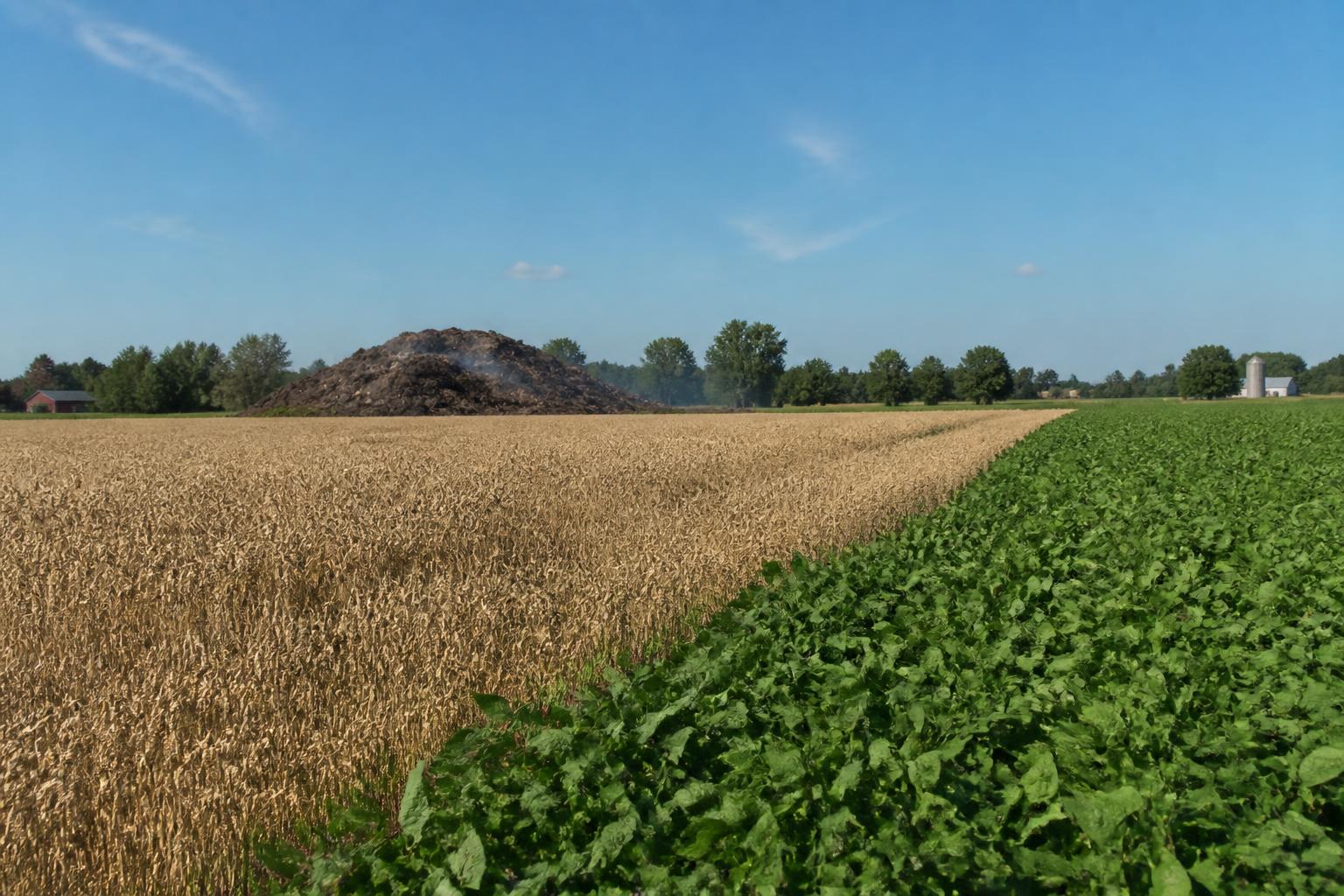
Mid-summer in Michigan often brings a unique set of challenges for row crop producers. With the season now in full swing, local fields are experiencing varying degrees of environmental stress, making diligent scouting for disease and pest pressure an essential part of day-to-day management. For many growers across the state, identifying these threats early is vital to maintaining yield potential through the critical final stages of growth.
Recent observations suggest that pathogens such as tar spot are gaining traction in several regions. As humidity levels fluctuate and canopy closure limits airflow, these conditions can create an ideal environment for rapid disease development. Proactive field protection and scouting efforts are becoming increasingly important for those looking to mitigate potential losses before they become widespread. Growers are encouraged to stay connected with regional updates to track how these pressures evolve across different soil types and planting dates.
Adapting to Evolving Crop Health Requirements
Managing the health of a crop in July requires a balance of observation and timely intervention. While the focus often shifts toward late-season inputs, the current environment demands a comprehensive look at overall plant vigor. In some parts of Michigan, shifting weather patterns have influenced how effectively protective measures are applied. Understanding these local variables can help producers refine their strategies for monitoring and managing disease pressure effectively.
Beyond immediate disease concerns, the broader agricultural landscape remains active. Infrastructure updates, such as the construction of new milling facilities, and participation in soil health initiatives indicate a resilient sector that continues to invest in long-term productivity despite the seasonal hurdles posed by pests and pathogens.
What it means for the market
For the Michigan agribusiness community, prioritizing field health now is directly linked to the quality and volume of the upcoming harvest. As logistics networks prepare for the seasonal transition, minimizing field-level losses through vigilant protection strategies helps ensure that grain handlers and processors can count on consistent local supply chains in the coming months.
Comments
No comments yet - be the first to share your take.