
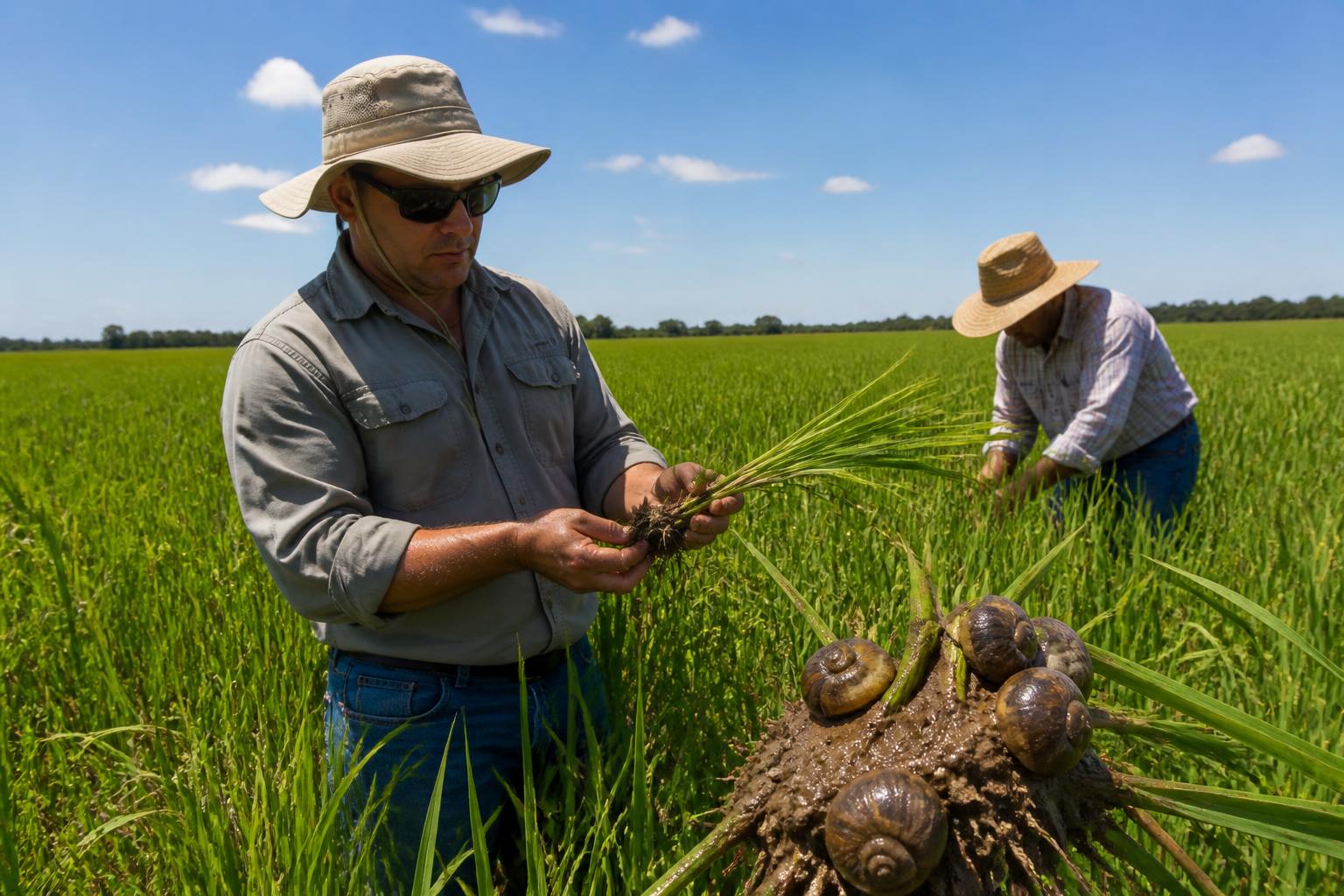
As the summer season progresses across Louisiana, agricultural producers are facing a complex landscape of operational challenges. Managing crop health has become increasingly demanding due to a convergence of emerging invasive species and persistent weather-related stressors that can impact overall yield potential in key row crops and specialty farming operations.
Managing Emerging Pest Pressures
Invasive pests continue to require heightened vigilance from producers. The spread of the channeled apple snail in rice-growing regions serves as a reminder of the evolving biosecurity landscape in the state. Effective management often relies on diligent scouting and timely intervention to prevent these populations from impacting field performance. Growers are encouraged to stay updated on best practices for mitigation to protect their investments during the critical growth phases of the summer.
Adapting to Environmental Stress
Extreme heat remains a primary concern for specialty and row crop farmers alike. High temperatures can cause significant plant stress, necessitating careful management of irrigation schedules and nutritional programs. Beyond heat, soil nutrient deficiencies have emerged as a notable hurdle in certain areas. Ensuring proper soil fertility is essential for maintaining crop vigor as plants contend with the intensity of the Louisiana summer sun. When field conditions shift, maintaining an effective crop protection strategy is vital to mitigating these compounding environmental risks.
What it means for the market
For grain handlers and agribusinesses, the current environment underscores the need for flexible procurement and logistics planning. As producers adjust harvest timing and pest management workflows to compensate for seasonal stressors, supply chains must remain responsive. Close coordination between local elevators and producers will be key to navigating the remainder of the summer season effectively.
Comments
No comments yet - be the first to share your take.