
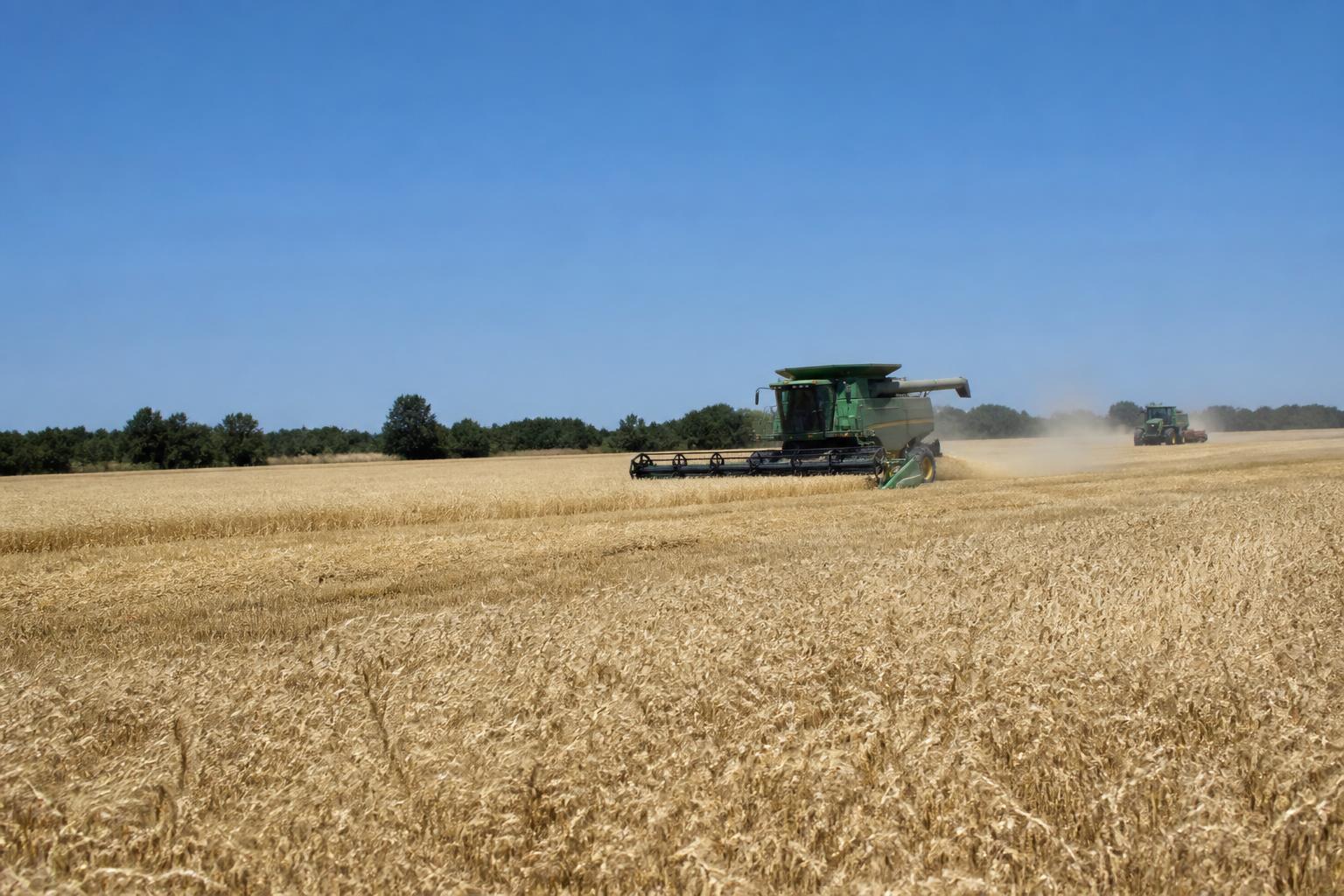
With the 2026 wheat harvest nearing its conclusion across Kansas, agricultural focus is shifting rapidly toward managing late-season crop protection and monitoring regional input variables. While combines are exiting the fields, the season remains far from quiet for producers dealing with evolving pest pressures and ongoing economic adjustments.
Proactive management remains essential as reports of southern rust have necessitated continued fungicide applications in corn crops. This pressure requires growers to balance the cost of inputs against potential yield impacts, especially as market prices for certain commodities like sorghum remain under significant downward pressure. Farmers are encouraged to maintain scouting efforts as environmental conditions fluctuate across the state, from the western irrigation corridors to the eastern plains.
Managing Input Volatility and Regulatory Shifts
Beyond the field, the state’s agricultural supply chain is seeing broader shifts in logistics and costs. Economists continue to flag potential shocks in fuel and fertilizer prices, which may impact bottom-line decisions for the remainder of the season. Staying informed on fertilizer market trends is critical for those looking to hedge against future volatility as the fall application window approaches.
Regulatory and infrastructure discussions are also moving to the forefront. Legislative committees continue to evaluate adjustments to agricultural bills that could affect how farms operate in the coming years. Meanwhile, growers are navigating localized concerns, including ongoing investigations by the Kansas Department of Agriculture into herbicide drift complaints, which highlights the need for careful application management in increasingly active rural zones.
Logistics and Field Operations
As harvest activity transitions, logistics remain a point of concern. For those moving grain or managing input supplies, monitoring rail logistics is vital to ensure that seasonal bottlenecks do not disrupt the flow of grain to terminal elevators. The synchronization between field output and transportation availability is often tight during these mid-summer weeks. For further updates on how to manage these hurdles, producers can review strategies for navigating regional grain logistics.
What it means for the market
The current environment requires a dual focus: immediate agronomic intervention to protect late-summer yields and long-term financial planning to mitigate input cost risks. With commodity price strain, every bushel protected through effective integrated pest management contributes to better margin stability. Producers should continue to leverage local resources to stay ahead of logistical delays and regulatory changes that may impact operational overhead as we move deeper into the summer season.
Comments
No comments yet - be the first to share your take.