
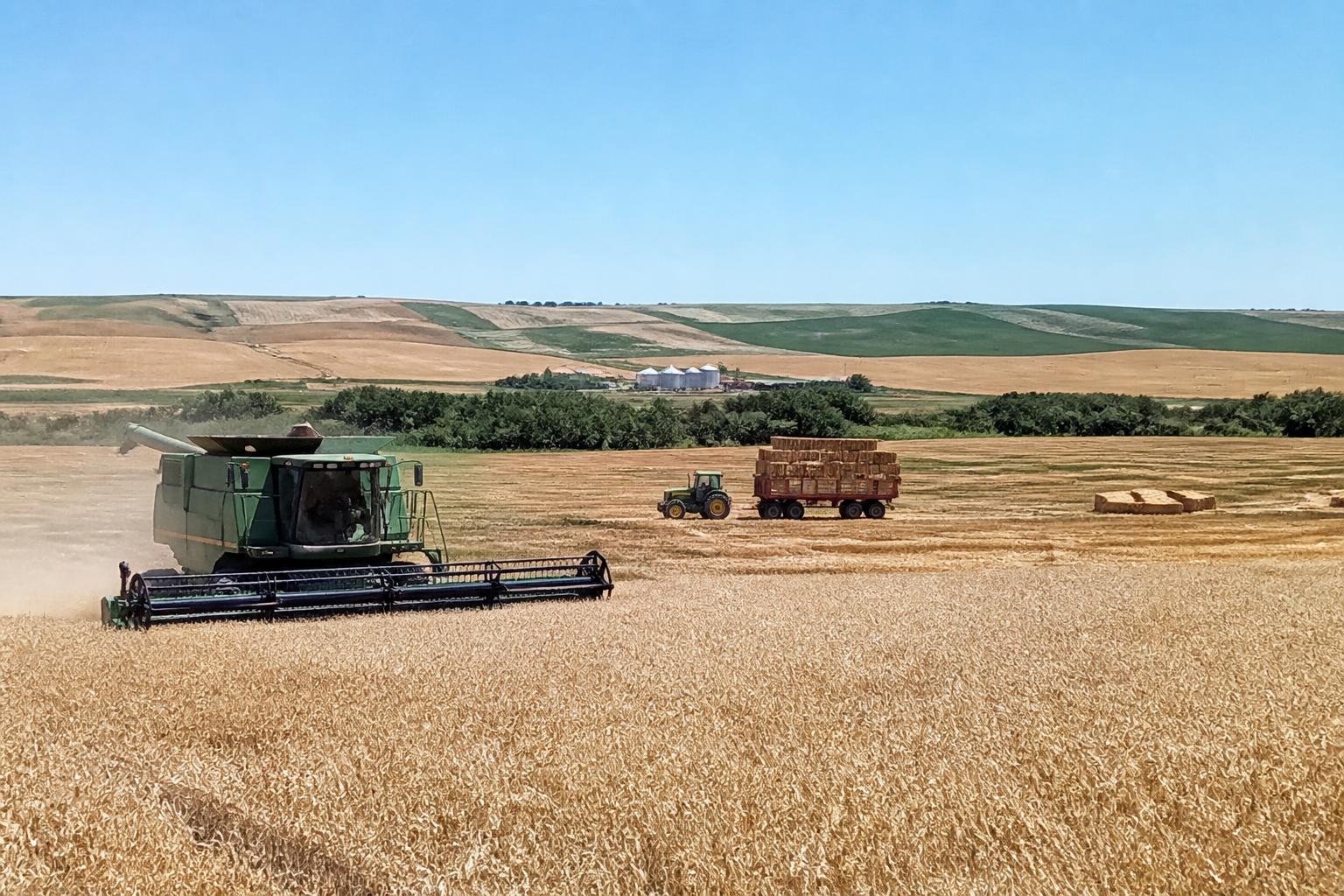
As South Dakota producers progress through the summer season, the logistics of transporting essential agricultural commodities remain a primary focus. Recent executive actions have introduced increased flexibility for hay hauling, aimed at streamlining operations for farmers navigating the complexities of this year’s harvest. For those managing feed supplies across the state, these measures are designed to ease some of the traditional burdens associated with regional transport during peak demand periods.
Understanding these shifts is crucial for operators and producers alike, especially as local infrastructure continues to manage mid-season traffic. When navigating state corridors, staying informed on current logistics and road challenges is essential for keeping supply chains moving effectively. The ability to move hay efficiently helps mitigate the pressures caused by localized climate variations, which have created a mixed bag of conditions for growers throughout the Dakotas.
Adapting to Seasonal Logistics
The current environment requires a proactive approach to transport planning. In many parts of South Dakota, particularly in regions where drought conditions have influenced yield and quality, the importance of reliable freight and logistical coordination cannot be overstated. By leveraging available flexibility, agribusinesses can better align their transport schedules with real-time field status.
Producers are often balancing harvest timing with the need to relocate supplies ahead of the next seasonal shift. Those who closely monitor mid-summer transport pressures can avoid costly delays and ensure that their operations remain resilient against shifting market conditions and regional transport constraints.
What it means for the market
For South Dakota agribusinesses, the recent executive flexibility represents a practical opportunity to optimize overhead and improve the flow of forage. By aligning logistical strategies with the latest regulatory updates, farmers and carriers can maintain better control over their operations during the challenging, high-activity summer months.
Comments
No comments yet - be the first to share your take.