
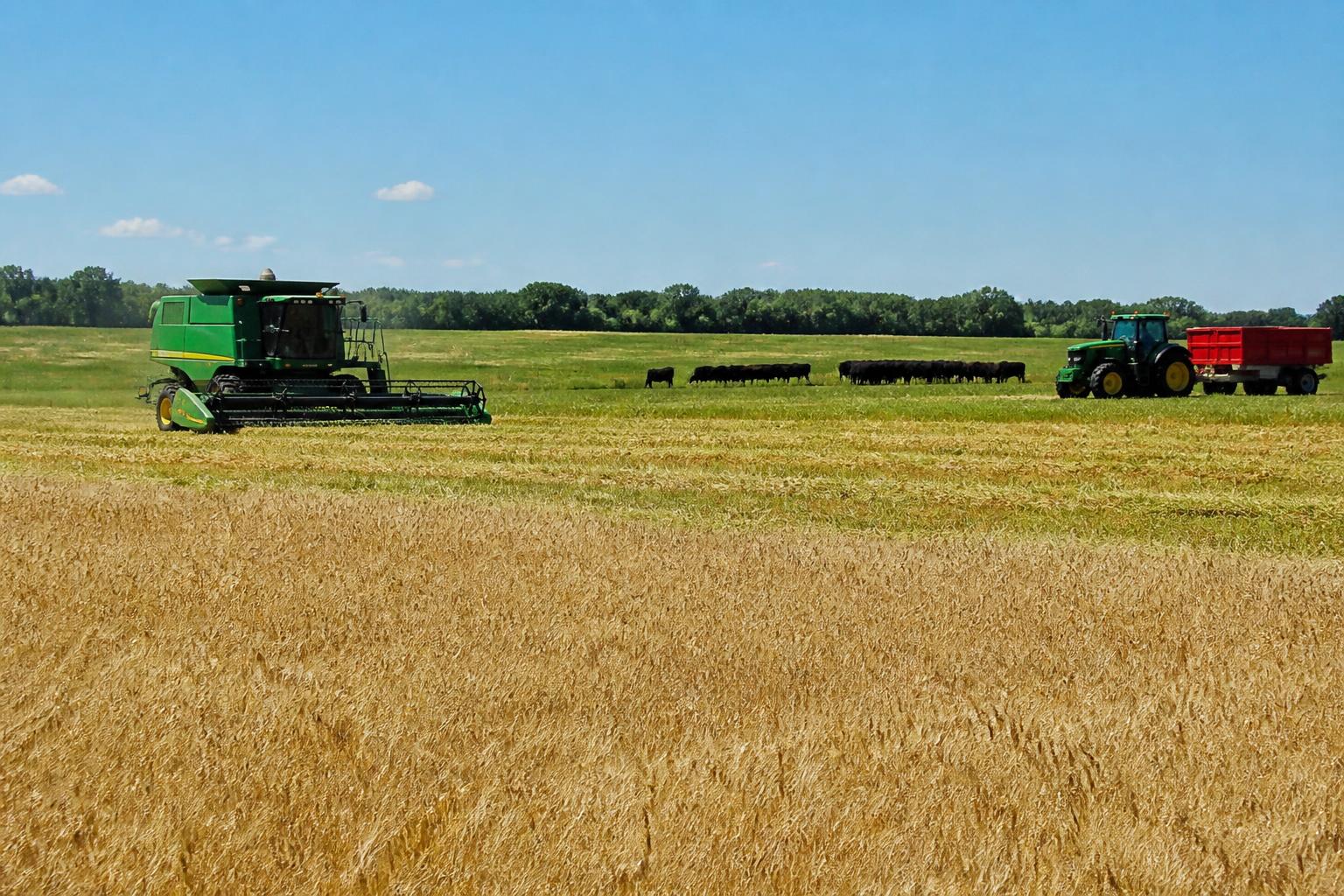
Oklahoma agricultural producers are currently navigating a complex economic landscape as the mid-summer season progresses. While some sectors within the Sun Belt have maintained operational momentum compared to other parts of the country, producers across the state are focusing heavily on balancing input costs and staying informed on shifting regulatory environments.
Effectively managing input costs as Oklahoma ag producers navigate market shifts remains a top priority for farmers in counties spanning from the panhandle down to the Red River. With volatile prices impacting bottom lines, producers are often evaluating their chemical and fertilizer programs to ensure efficiency without sacrificing yield potential.
Regulatory Updates and Crop Protection
Recent developments in the crop protection space have caught the attention of local growers. The decision to withdraw the glyphosate trade petition has been welcomed by regional industry advocates, offering a sense of stability for those reliant on these essential products. Maintaining a proactive approach to these market updates regarding staying resilient in crop protection and logistics is vital for long-term farm planning, especially as companies continue to integrate resources and portfolios following major industry acquisitions.
Logistical and Market Outlook
As the harvest season for various regional crops advances, the importance of efficient movement through local grain elevators and transport corridors becomes clear. Producers are encouraged to monitor local elevator storage capacity and regional transport availability, as seasonal shifts often dictate the ease of moving commodities to market. Being prepared for these fluctuations can help mitigate potential bottlenecks at major transit points throughout Oklahoma.
What it means for the market
For Oklahoma farmers and agribusinesses, the current environment necessitates a disciplined approach to input purchasing and logistics. By staying informed about regulatory shifts and prioritizing cost-efficiency, producers can better position themselves to withstand broader market volatility while maximizing the value of their upcoming harvest cycles.
Comments
No comments yet - be the first to share your take.