
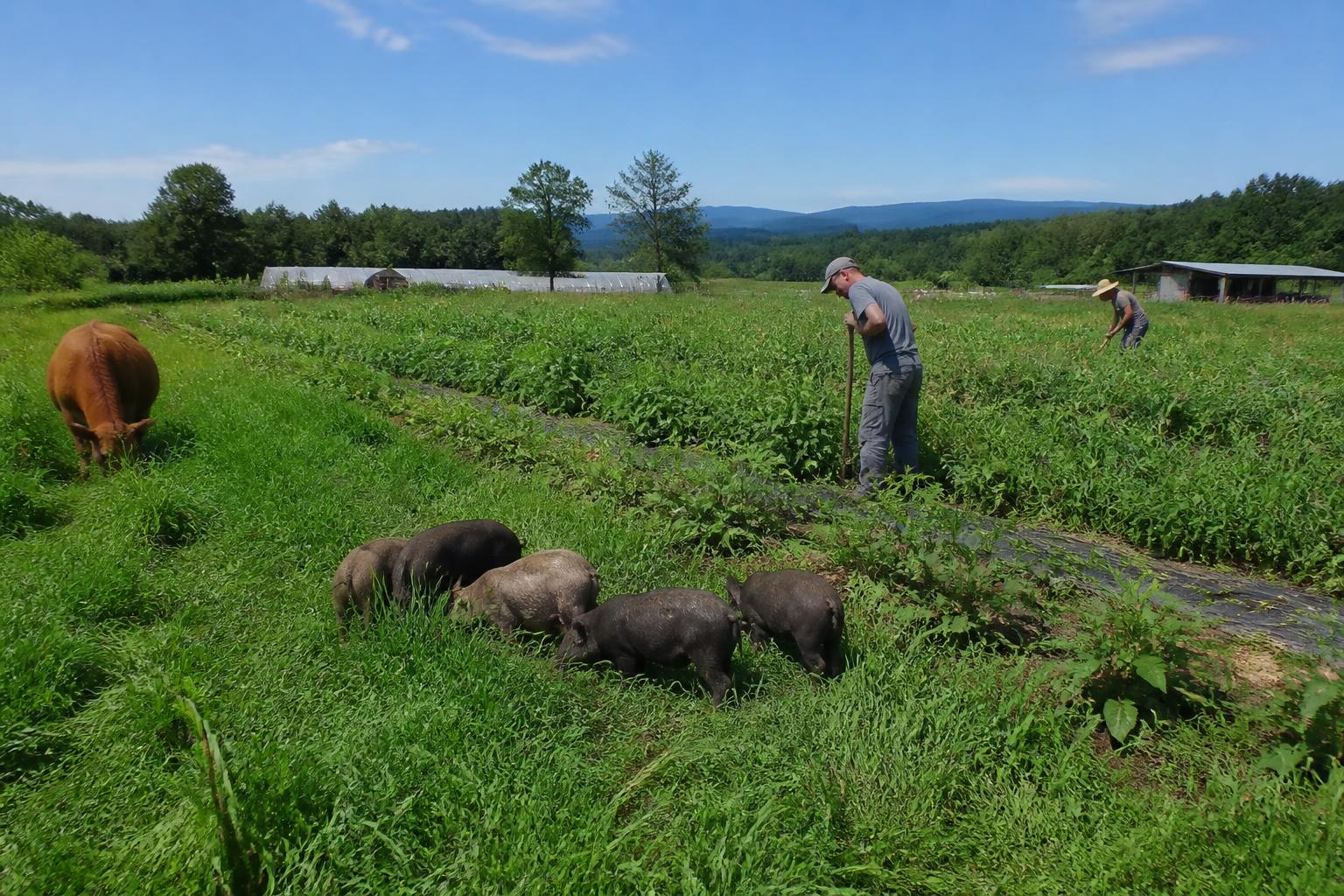
Mid-summer in Virginia brings a unique set of pressures for producers across the Commonwealth. From the rolling hills of the Shenandoah Valley to the coastal plains, farm managers are currently balancing active field maintenance with significant shifts in the regulatory and economic environment that governs day-to-day business.
As operations continue to evolve, staying ahead of input requirements remains critical. Many producers are currently optimizing fertilizer strategies in Virginia to ensure that crop health is maintained throughout the summer heat without overextending operational budgets. These efforts often require a delicate balance between modern precision tools and the practical reality of maintaining soil health and yield consistency.
Regulatory and Logistics Shifts
Infrastructure and legal compliance are top of mind for many agribusinesses this season. Recent changes regarding farm-use vehicle tags have introduced new administrative considerations for those moving machinery or products across public roads. Understanding these updates is essential for keeping logistics chains efficient during this busy time of year.
Furthermore, producers are navigating a complex landscape when it comes to resource management. Whether adapting to evolving local nutrient management regulations or addressing infrastructure gaps, the ability to pivot has become a hallmark of resilient operations. This is particularly relevant as the industry works to integrate new research and technologies into legacy systems.
Resiliency in Livestock and Specialty Crops
The livestock sector continues to face multifaceted challenges, including a tightening market for specialized veterinary support, which affects animal welfare and overall herd productivity. While some operations are finding success through diversified models—stacking enterprises to build buffer against market volatility—the broader dairy industry is experiencing a contraction that necessitates innovation in value-added products like specialty cheeses to remain viable.
Similarly, those managing specialty crops must contend with both market and environmental variables. With reports of pests such as cucurbit downy mildew becoming active in various Virginia agricultural regions, proactive scouting and rapid response remain the most effective tools to protect high-value harvests.
What it means for the market
The current environment suggests a transition toward higher efficiency and greater regulatory agility. For grain handlers and input suppliers, this translates to a need for more nuanced service models that account for the diverse scale of Virginia farms. As we move through the heat of the summer, success will likely depend on the ability to integrate precision technology with traditional labor-saving practices, ensuring that farms remain productive despite mounting operational overheads.
Comments
No comments yet - be the first to share your take.