
Optimizing Input Strategies Amid Market Shifts
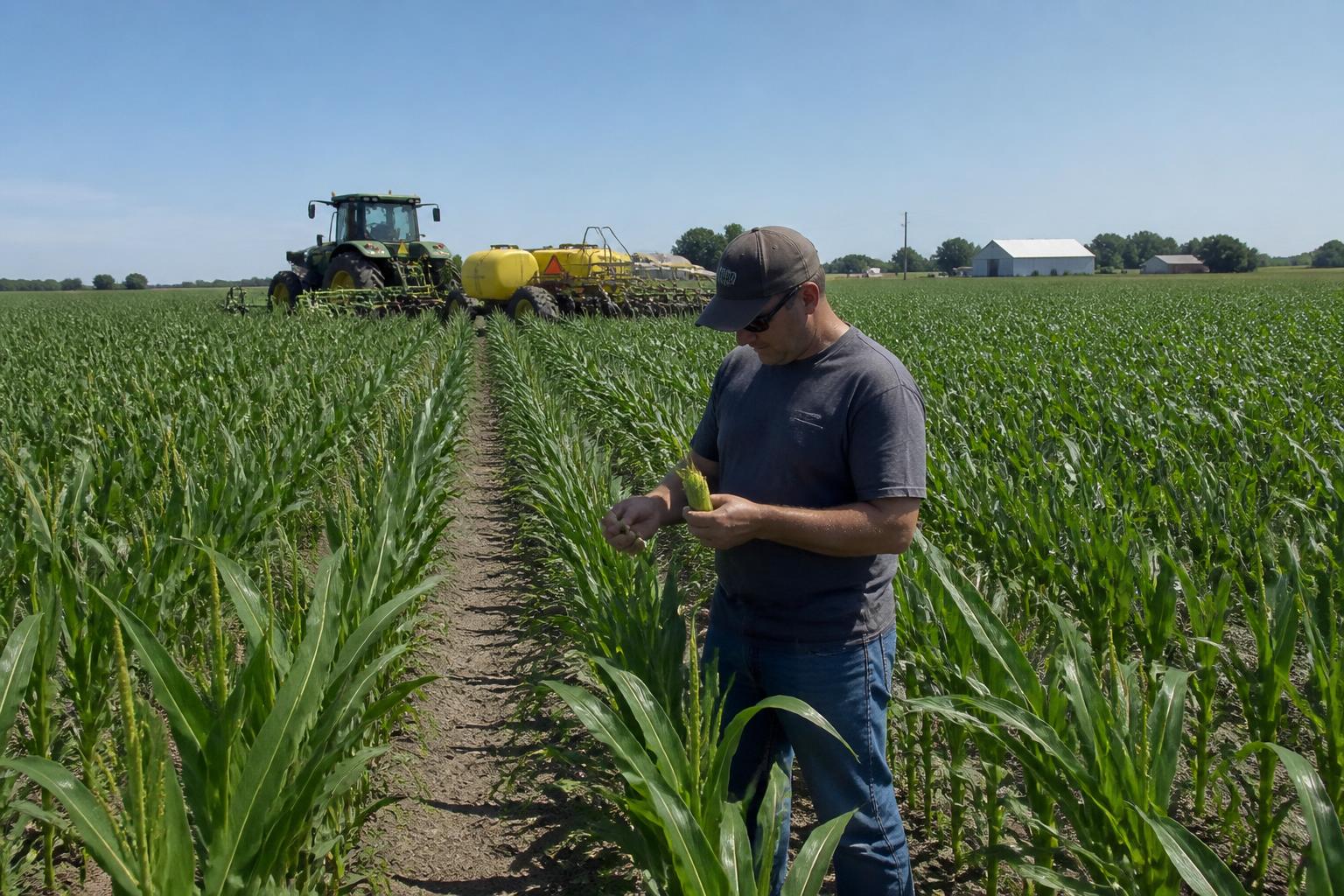
As Illinois growers move through the critical mid-summer phase, focus often turns to balancing input efficacy with the broader economic reality of agricultural production. Nitrogen fertilizer remains a primary consideration for financial planning, with many producers evaluating historical price volatility to inform future application decisions. Developing a sound strategy requires careful monitoring of regional supply chains and ag transport dynamics to ensure that inputs reach elevators and farms ahead of key application windows.
The Impact of Trade Policy on Corn Markets
Beyond local logistics, trade stability remains a cornerstone for the Illinois corn industry. The long-term vitality of domestic markets is often tied to the endurance of international trade agreements, such as the USMCA. For farmers across the Midwest, these frameworks provide necessary predictability for export-oriented commodities. Maintaining consistent access to cross-border markets helps stabilize demand, allowing for better-informed planting and storage decisions during seasons characterized by fluctuating global supplies.
Adapting to Season-End Uncertainties
As harvest approaches in the coming months, Illinois agricultural businesses are encouraged to remain agile. Whether it involves refining crop protection programs or reassessing the impact of trade policy on grain pricing, the ability to pivot is vital. Producers working near the major transit corridors often benefit from early communication with logistics providers to mitigate potential bottlenecks as the volume of grain movement begins to rise later this year.
What it means for the market
For Illinois farmers and agribusinesses, the current climate demands a dual focus: disciplined input cost management and a proactive stance on trade policy monitoring. By keeping a close eye on nitrogen availability and the potential for policy-driven shifts in corn demand, stakeholders can better position their operations for the transition from mid-summer development to the fall harvest season.
Comments
No comments yet - be the first to share your take.