
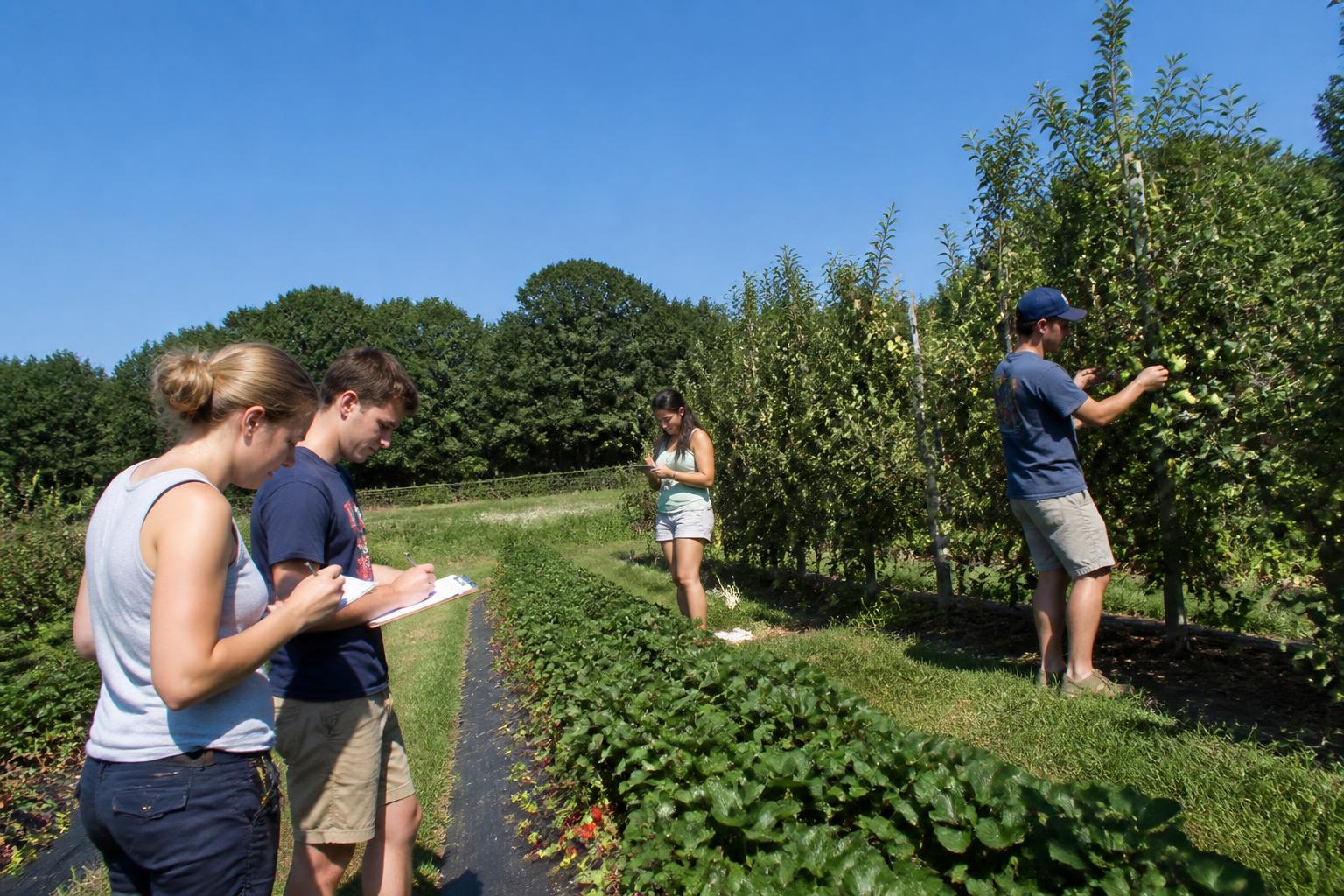
Managing Frost Risks in Connecticut Orchards
Connecticut growers often face a delicate balance when managing perennial crops. Recent industry observations indicate that late-season temperature fluctuations can pose a tangible threat to orchards and berry fields across the state. Even in the middle of summer, monitoring local microclimates remains essential for producers looking to mitigate potential damage to fruit sets. Growers are encouraged to keep a close eye on cooling trends in high-elevation fields and valleys, where cold air can settle and affect yields.
Sustainable Infrastructure and Crop Health
Beyond immediate weather concerns, the long-term viability of Connecticut farms is increasingly tied to how producers integrate waste management and landscape planning. New initiatives, including the development of local food waste-to-energy plants, signal a shift toward greater efficiency in how agricultural byproducts are handled. Integrating these systems can help reduce operational overhead while contributing to a more circular farm economy. For those interested in optimizing production, navigating rising input costs remains a top priority for maintaining margins.
Logistics and Market Stability
For grain handlers and agribusinesses, understanding the interplay between localized weather events and broader market trends is key. While the global grain sector experienced some volatility earlier this spring, regional operators in Connecticut should stay focused on steadying supply chains through the summer months. Consistent monitoring of local logistics is recommended to buffer against unexpected shifts in transport availability, particularly as mid-July price volatility continues to impact regional procurement strategies.
What it means for the market
For Connecticut agricultural businesses, the current climate demands a proactive approach to both environmental risk and resource management. By prioritizing climate-resilient practices in the orchard and investing in modern, sustainable waste infrastructure, producers can better position themselves to withstand seasonal fluctuations. As we move through the heat of the summer, maintaining lean operational costs and clear communication with local supply partners will be vital to navigating the remainder of the growing season.
Comments
No comments yet - be the first to share your take.