
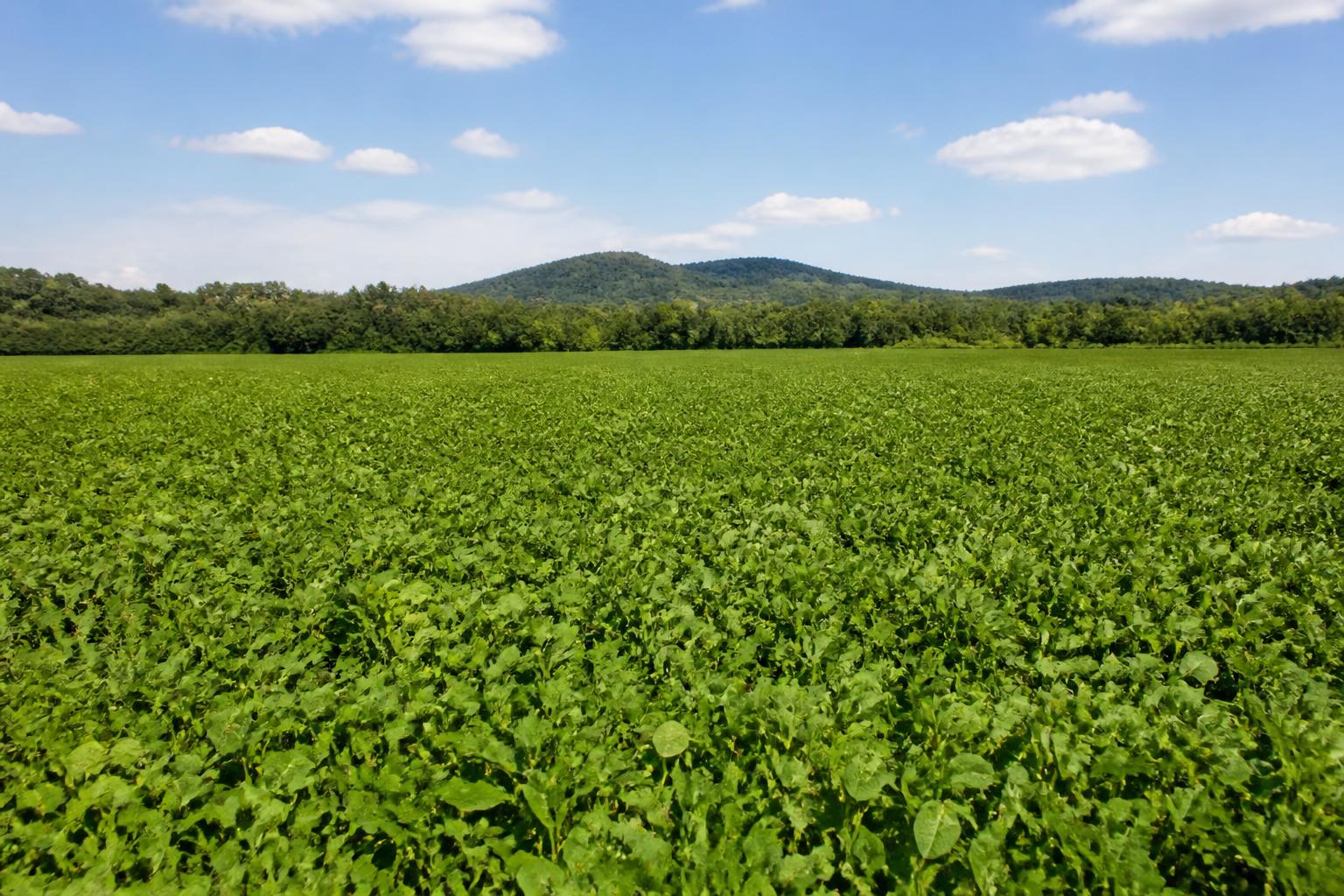
South Carolina agriculture is currently navigating a complex period where production efficiency and resource management take center stage. For producers across the Palmetto State, from the coastal plains to the Piedmont, the focus remains on maintaining high-quality yields while managing the long-term impact of rising production costs. As we move through the summer season, the emphasis on integrated crop protection has become more than just a matter of field health; it is a critical component of sustaining profitability in an environment where margins are under constant pressure.
Effective risk management in this climate often involves a careful assessment of biological applications and traditional protection inputs. Many growers are looking toward innovative solutions to fortify crops against unpredictable weather stress, ensuring that high-value harvests remain protected against environmental volatility. This shift is increasingly tied to the broader strategic management of inputs, which remains a primary concern for operations balancing field-level needs against global supply chain fluctuations.
Logistics and Market Realities
The movement of regional commodities, particularly as harvest windows approach, requires a proactive approach to supply chain awareness. While global trade shifts often grab headlines, the day-to-day reality for South Carolina handlers involves navigating regional transit bottlenecks and infrastructure limitations. Efficiency at the grain elevator or cooling facility is essential to maintain the quality of the flow of perishable goods and field crops alike, especially when regional transport capacity is in high demand.
For those managing large-scale peanut or soybean acreage, the integration of new technology is also influencing how producers approach soil health and pest mitigation. The recent recognition of high-yield performance in regional contests highlights the potential for success when producers successfully synchronize advanced crop protection strategies with local soil and moisture conditions.
What it means for the market
For the South Carolina agricultural sector, the path forward is marked by a need for agility. Producers and agribusinesses should prioritize the maintenance of flexible supply chains and remain vigilant regarding input costs. As the state nears future cycles for both administrative leadership and crop management, the ability to adapt to changing biological trends and logistical shifts will remain the most significant factor in maintaining a competitive edge within the regional and national marketplace.
Comments
No comments yet - be the first to share your take.